

Water damage and property value are closely linked, and understanding this relationship is essential for homeowners, buyers, and real estate professionals. When a property suffers from water intrusion—whether from flooding, leaks, or plumbing failures—the consequences extend far beyond visible stains or warped floors. The financial impact can be significant, affecting not only repair costs but also the long-term resale value of the home.
Potential buyers are often wary of homes with a history of water issues, and even minor signs of moisture can raise red flags during inspections. The stigma attached to water-related problems can linger, making it harder to sell a property or forcing sellers to accept lower offers. In this article, we’ll explore how much property values can decrease due to water damage, what factors influence the drop, and what steps homeowners can take to protect their investment.
For those concerned about the health risks and further complications, understanding can water damage cause mold is also crucial, as mold growth can further diminish a home’s value and pose additional hazards.
Understanding the Link Between Water Issues and Home Value
The presence of water damage in a property can have a direct and measurable effect on its market price. Buyers and appraisers factor in both the visible and hidden consequences of moisture problems. The most common impacts include:
- Structural deterioration such as rotting wood, weakened foundations, or compromised drywall
- Health hazards from mold and mildew, which can develop rapidly after water exposure
- Cosmetic issues like stains, peeling paint, and warped flooring
- Potential for recurring problems if the underlying cause is not fully addressed
Even after repairs, a home with a history of water intrusion may be viewed as a higher risk, leading to reduced buyer interest and lower offers.
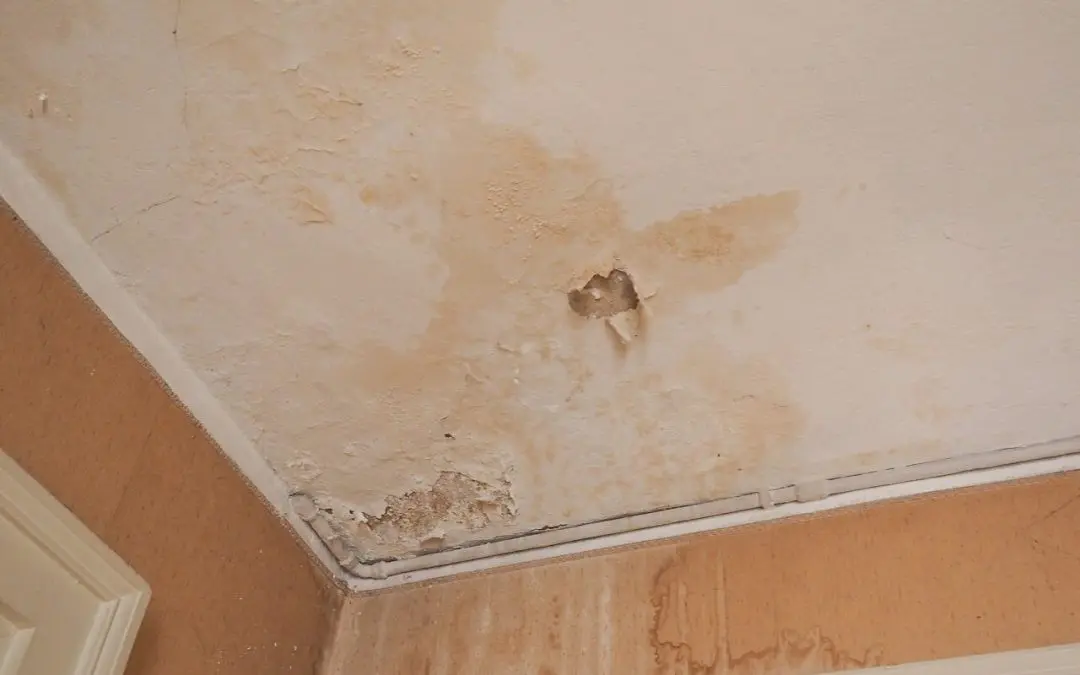
How Much Can Water Damage Decrease Property Value?
The actual reduction in value depends on several factors, including the severity of the damage, the speed and quality of repairs, and the property’s location. On average, real estate experts estimate that homes with unresolved or poorly repaired water issues can see a value drop of 15% to 30% compared to similar properties without such problems.
For example, a $400,000 home could lose between $60,000 and $120,000 in market value if water damage is discovered and not properly addressed. Even minor incidents, if not handled correctly, can result in a 5%–10% reduction. The stigma of past water problems can persist, especially if the property is in a flood-prone area or has a history of insurance claims.
Some of the key factors that influence the extent of the value decrease include:
- The source and type of water (clean water vs. sewage or floodwater)
- How quickly the issue was detected and remediated
- Whether mold or structural damage occurred
- The thoroughness of documentation and repairs
- Disclosure requirements and buyer perception
Common Causes and Types of Water Damage
Understanding the most frequent sources of water intrusion can help homeowners prevent costly problems. Typical causes include:
- Leaking roofs or windows
- Burst or leaking pipes
- Faulty appliances (dishwashers, washing machines, water heaters)
- Flooding from storms or rising groundwater
- Poor drainage or grading around the foundation
Each type of water issue carries its own risks. For instance, clean water from a burst pipe is less hazardous than sewage backup or floodwater, but all can lead to significant property value loss if not addressed quickly.
For more details on how quickly signs of moisture can appear, see how long does water damage take to appear.

How Buyers and Appraisers Evaluate Water Issues
During a home sale, inspectors and appraisers look for both visible and hidden signs of moisture. Stains on ceilings or walls, musty odors, warped floors, and peeling paint can all indicate past or ongoing problems. In some cases, specialized equipment is used to detect moisture behind walls or under floors.
If water intrusion is found, appraisers typically adjust the property’s value downward to account for repair costs, potential health risks, and buyer hesitation. Even after repairs, a documented history of water issues can affect the final sale price. Full disclosure is required in many states, and failure to do so can result in legal consequences.
For a deeper understanding of how professionals distinguish between new and old moisture issues, see this guide to determining if you have new or old water damage.
Restoration and Recovery: Minimizing Value Loss
Prompt and professional remediation is the best way to protect your investment. The sooner water issues are detected and addressed, the less likely they are to cause lasting harm. Key steps include:
- Identifying and stopping the source of water
- Thoroughly drying affected areas
- Removing and replacing damaged materials
- Addressing any mold growth
- Documenting all repairs for future buyers
Working with certified restoration professionals can help ensure repairs meet industry standards and reassure potential buyers. For a step-by-step overview, refer to the water damage restoration process.
Prevention and Early Detection Strategies
Preventing water-related issues is always more cost-effective than dealing with the aftermath. Homeowners can reduce their risk by:
- Regularly inspecting roofs, gutters, and downspouts
- Checking plumbing and appliances for leaks
- Ensuring proper grading and drainage around the foundation
- Installing sump pumps or backflow valves in flood-prone areas
- Responding quickly to any signs of moisture
To learn about subtle indicators that often go unnoticed, see water damage warning signs homeowners miss.
Frequently Asked Questions
How can I tell if my home has hidden water issues?
Look for musty odors, discoloration on walls or ceilings, warped flooring, or unexplained increases in water bills. Professional inspectors use moisture meters and thermal imaging to detect hidden problems.
Does insurance cover all types of water-related damage?
Standard homeowner’s insurance typically covers sudden and accidental incidents, such as burst pipes. However, it often excludes gradual leaks and flood damage, which may require separate policies.
Can a home fully recover its value after water damage?
With prompt, professional repairs and thorough documentation, many homes can regain much of their lost value. However, some buyers may remain cautious, especially if the property is in a high-risk area or has a history of repeated incidents.
Key Takeaways for Homeowners and Buyers
The relationship between water damage and property value is clear: unresolved or poorly managed moisture issues can lead to steep financial losses. By understanding the risks, acting quickly, and investing in proper repairs, homeowners can protect their investment and maintain their home’s appeal to future buyers.
For those facing cleanup and restoration, the water damage cleanup guide offers practical steps to address the problem efficiently and effectively.