
Can Water Damage Cause Mold? Growth Timeline & Prevention
· Ethan Williams
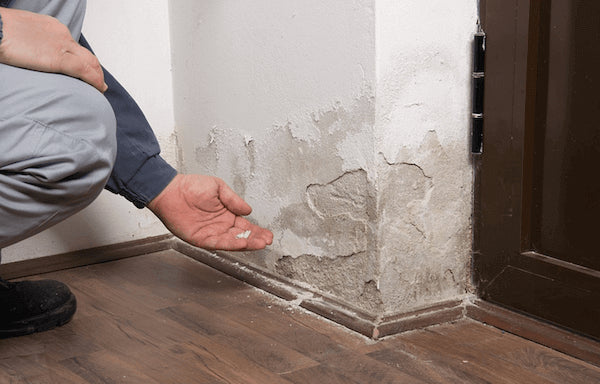
Water damage is a concern for any property owner, not just because of the immediate destruction it can cause, but also due to the hidden risks that follow. One of the most significant threats after a leak or flood is the rapid development of mold. Understanding how quickly mold can form, what conditions encourage its growth, and how to prevent it is essential for protecting your home or business.
In this article, we'll explore the connection between excess moisture and mold, outline the typical timeline for fungal growth, and provide practical steps for prevention and remediation. If you're interested in learning more about the broader risks, our guide on water damage risks for homeowners offers additional insights into the dangers of hidden moisture.
How Moisture Leads to Mold Growth
The link between water damage and mold is direct and well-documented. Mold spores exist almost everywhere, both indoors and outdoors. However, these spores only begin to multiply and form colonies when they encounter the right conditions—specifically, moisture and organic material such as drywall, wood, or carpet.
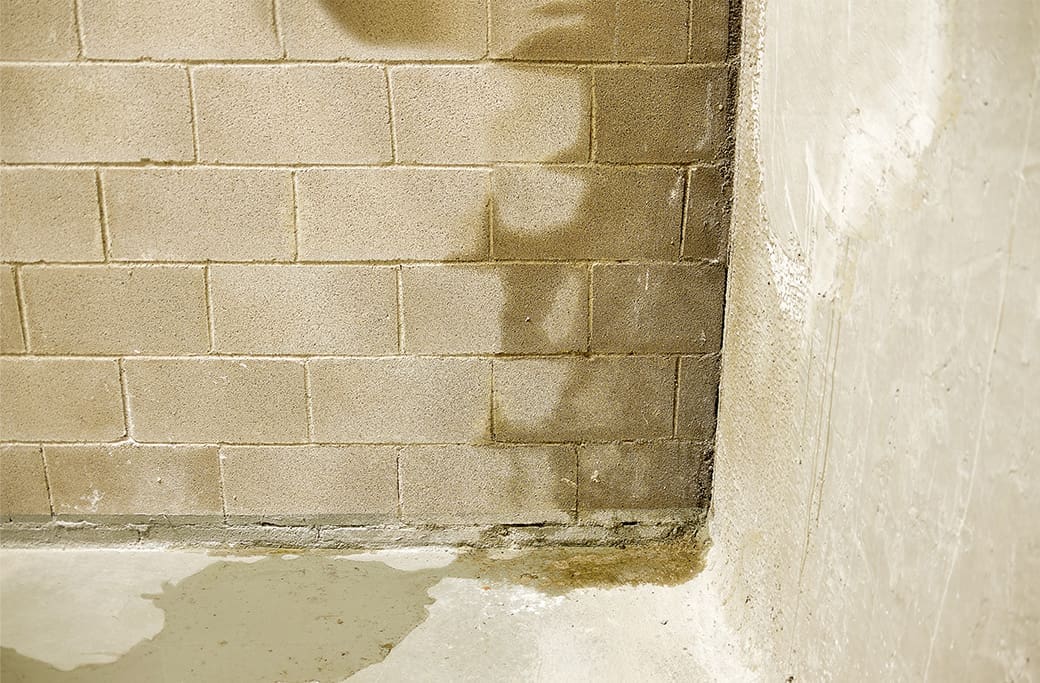
When water from leaks, floods, or high humidity saturates building materials, it provides a perfect breeding ground for mold. Even a small amount of lingering moisture can be enough to trigger growth. Areas behind walls, under floors, or above ceilings are especially vulnerable because they are often out of sight and slow to dry.
Timeline: How Fast Does Mold Develop After Water Damage?
One of the most important things to know is how quickly mold can begin to grow after a water incident. Under ideal conditions—meaning warmth, moisture, and a food source—mold can start forming in as little as 24 to 48 hours. Here’s a general timeline:
- First 24 hours: Mold spores land on wet surfaces and begin to germinate.
- 24–48 hours: Colonies can start to form, becoming visible as small spots.
- 48–72 hours: Growth accelerates, and musty odors may become noticeable.
- 3–7 days: Mold can spread rapidly, potentially affecting large areas and causing structural damage.
This rapid timeline highlights the importance of acting quickly when water damage occurs. Delays in drying out affected areas increase the risk of extensive mold infestations, which can be costly and difficult to remove.
Common Signs of Mold After Moisture Exposure
Detecting mold early is crucial for minimizing damage and health risks. Some signs to watch for after a leak or flood include:
- Musty or earthy odors that persist even after cleaning.
- Visible discoloration or fuzzy patches on walls, ceilings, or floors.
- Peeling paint or wallpaper, which may indicate moisture behind surfaces.
- Increased allergy symptoms such as sneezing, coughing, or eye irritation.
For a more detailed look at subtle indicators, see our article on water damage warning signs homeowners miss.

Health Risks Linked to Mold After Water Intrusion
Mold exposure can have a range of health effects, especially for people with allergies, asthma, or weakened immune systems. Even healthy individuals may experience symptoms such as:
- Respiratory issues (wheezing, coughing, shortness of breath)
- Eye, nose, and throat irritation
- Headaches or fatigue
- Skin rashes
Long-term exposure or high concentrations of mold can lead to more severe health problems. That’s why prompt action after water damage is so important—not just for your property, but for your well-being.
Prevention: Stopping Mold Before It Starts
Preventing mold after a water incident is all about reducing moisture as quickly as possible. Here are practical steps to minimize the risk:
- Act fast: Begin drying out affected areas within 24–48 hours. Remove standing water with pumps or wet vacuums.
- Increase ventilation: Open windows and use fans or dehumidifiers to speed up drying.
- Remove wet materials: Take out soaked carpets, furniture, and drywall if they cannot be thoroughly dried.
- Disinfect surfaces: Clean hard surfaces with a disinfectant to kill any lingering spores.
- Monitor humidity: Keep indoor humidity below 60% to discourage mold growth.
For step-by-step instructions, our water damage cleanup guide provides a comprehensive checklist for homeowners and property managers.
Professional Remediation and When to Call for Help
While small, contained areas of mold can sometimes be handled by homeowners, larger infestations or mold in HVAC systems, insulation, or behind walls usually require professional remediation. Experts have the equipment and knowledge to safely remove contaminated materials, treat affected areas, and prevent recurrence.
If you suspect hidden moisture or mold that you can’t see, consider consulting a professional for an inspection. For tips on identifying hidden issues, check out this guide to detecting hidden water damage.
After remediation, it’s important to address the underlying cause of the water intrusion—whether it’s a leaky roof, burst pipe, or poor drainage. Otherwise, the cycle of moisture and mold may repeat.
How to Spot Water Damage Before Mold Appears
Early detection is key to preventing mold. Look for:
- Stains or discoloration on ceilings and walls
- Warped or buckling floors
- Unexplained musty smells
- Condensation on windows or pipes
Our resource on how long does water damage take to appear explains the typical timeline for visible signs, helping you act before mold becomes a problem.
Frequently Asked Questions
How soon should I dry out water-damaged areas to prevent mold?
It’s best to begin drying within the first 24–48 hours after water exposure. The sooner you remove moisture, the lower the risk of mold growth. Use fans, dehumidifiers, and remove wet materials promptly.
Can mold grow even if the water damage seems minor?
Yes, even small leaks or damp spots can create the right conditions for mold. Areas that remain damp for more than a day or two are at risk, especially if they are hidden or poorly ventilated.
Is it safe to clean up mold myself?
Small patches (less than 10 square feet) can often be cleaned with household disinfectants and proper protective gear. For larger areas, or if mold is inside walls or HVAC systems, it’s safer to hire professionals to avoid spreading spores and ensure thorough removal.
What are the most common places for mold after water damage?
Mold often develops in basements, crawl spaces, behind drywall, under carpets, and around windows or roofs where leaks have occurred. Any area that stays damp is susceptible.
How can I monitor for hidden moisture?
Use moisture meters, check for musty odors, and watch for changes in wall or floor appearance. Regular inspections, especially after storms or plumbing issues, help catch problems early.
For a detailed overview of the restoration process, see our article on the water damage restoration process.