
Professional Water Damage Cleanup Guide for Your Property
· Ethan Williams
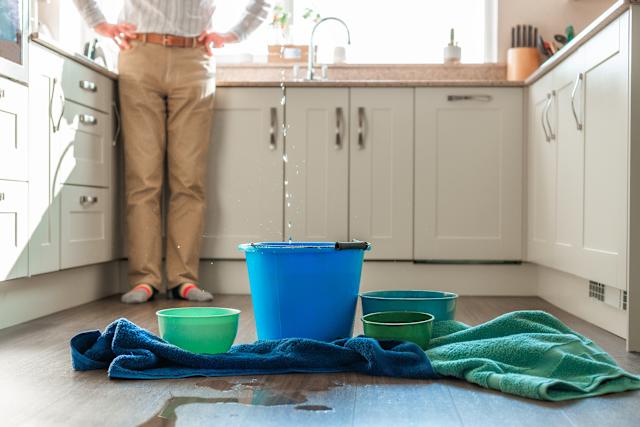
When water invades your property—whether from a burst pipe, heavy rain, or appliance failure—the consequences can be overwhelming. Acting quickly and following a structured approach is essential to minimize long-term damage and health risks. This water damage cleanup guide offers a step-by-step overview to help you navigate the process, protect your investment, and restore your space safely.
Understanding the scope of water intrusion and knowing the right actions to take can prevent further complications like mold growth, structural deterioration, and costly repairs. Early intervention, proper assessment, and thorough drying are key elements of a successful recovery. For a detailed look at the water damage restoration process, you can explore more about the stages involved and how professionals tackle complex cases.
Recognizing the Signs of Water Intrusion
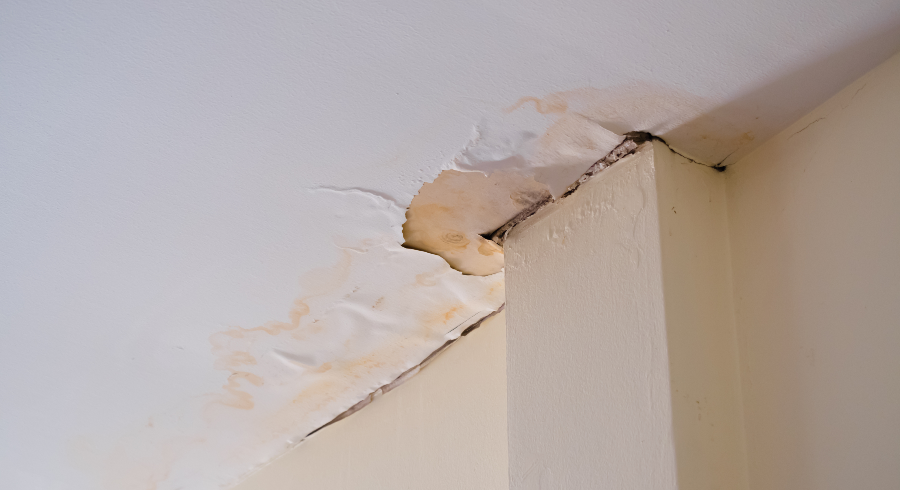
The first step in any water damage cleanup guide is identifying the problem. Water issues are not always obvious; sometimes, they develop behind walls, under floors, or in hidden spaces. Common indicators include:
- Visible stains or discoloration on ceilings and walls
- Warped or buckling flooring
- Peeling paint or wallpaper
- Musty odors indicating mold or mildew
- Unexplained increases in water bills
For a deeper understanding of subtle warning signs, consider reviewing this comprehensive guide to signs of water damage in walls.
Immediate Actions to Take After Water Damage
Once you discover water intrusion, swift action is crucial. Begin by ensuring safety:
- Turn off electricity in affected areas to avoid electrical hazards.
- Stop the source of water, if possible (shut off the main valve or fix the leak).
- Move valuables and furniture to a dry location to prevent further damage.
- Document the damage with photos and notes for insurance purposes.
If the water source is contaminated (such as sewage backups), avoid contact and call professionals immediately. Clean water from plumbing leaks is less hazardous but still requires prompt attention.
Assessing the Extent of the Problem
A thorough assessment helps determine the best cleanup strategy. Start by identifying:
- The type of water involved (clean, gray, or black water)
- The areas and materials affected (walls, floors, insulation, furniture)
- Potential hazards such as mold growth or structural weakening
Understanding the types of water damage can help you evaluate risks and prioritize actions. If the affected area is large or the water is contaminated, professional remediation is strongly recommended.
Step-by-Step Water Damage Cleanup Process
Following a systematic approach ensures thorough restoration and reduces the risk of recurring issues. Here’s a practical sequence to follow:
- Remove Standing Water: Use pumps, wet/dry vacuums, or mops to extract as much water as possible.
- Dry and Dehumidify: Open windows, use fans, and deploy dehumidifiers to accelerate drying. Remove wet carpets, rugs, and padding if necessary.
- Clean and Disinfect: Wash all affected surfaces with appropriate cleaning agents. Disinfect to prevent mold and bacteria.
- Inspect for Mold: Look for visible mold and address it promptly. Mold can develop within 24–48 hours after water exposure.
- Repair and Restore: Replace damaged drywall, insulation, flooring, or other materials as needed. Ensure the area is fully dry before rebuilding.
For more details on the differences between water and flood incidents, and how insurance may apply, see the article on water damage vs flood damage.

Preventing Future Water Incidents
Prevention is a critical component of any water damage cleanup guide. Regular maintenance and vigilance can help you avoid repeat problems. Consider these preventive measures:
- Inspect plumbing and appliances regularly for leaks or corrosion.
- Ensure gutters and downspouts are clear and direct water away from your foundation.
- Seal windows, doors, and basement walls to prevent seepage.
- Install water leak detectors and automatic shut-off valves.
- Maintain your roof and repair damaged shingles promptly.
Being proactive can save you significant time, money, and stress in the long run. For more on hidden threats, see the discussion of water damage risks for homeowners.
When to Call in the Professionals
While minor incidents can often be managed by property owners, some situations require expert intervention:
- Large-scale flooding or deep water saturation
- Contaminated water (sewage or chemical spills)
- Persistent mold growth or musty odors
- Structural concerns or electrical hazards
Professionals have specialized equipment for moisture detection, industrial drying, and mold remediation. They also understand the complexities of insurance claims and can help document losses. If you’re unsure about the severity of the situation, it’s always safer to consult a certified restoration company.
Insurance Considerations and Documentation
Proper documentation is essential for insurance claims. Take clear photos and keep records of all communications, repairs, and expenses. Review your policy to understand what is covered—some policies exclude certain types of water incidents, so it’s important to clarify with your provider.
If you’re interested in the broader implications and costs associated with water-related incidents, the article on how serious is water damage provides valuable insights into risks and consequences.
Frequently Asked Questions
How quickly should water damage be addressed?
It’s best to start cleanup within the first 24–48 hours after water exposure. The longer water sits, the higher the risk of structural damage and mold growth.
Can I handle water cleanup myself, or do I need a professional?
Small, clean water spills can often be managed by property owners with the right tools. However, if the water is contaminated, covers a large area, or has soaked into walls and floors, professional help is recommended.
What are the health risks of untreated water damage?
Untreated water can lead to mold, mildew, and bacteria growth, which may cause respiratory issues, allergic reactions, and other health problems. Addressing the issue promptly is critical for safety.
Does homeowners insurance cover all types of water damage?
Coverage varies by policy and the source of the water. Sudden, accidental incidents are often covered, while gradual leaks or flood damage may be excluded. Always review your policy details and consult with your insurer.
By following the steps outlined in this water damage cleanup guide, you can respond effectively to emergencies, minimize losses, and restore your property with confidence. Staying informed and prepared is the best defense against future incidents.