
Understanding the Different Types of Water Damage (Class 1-4)
· Ethan Williams
Water intrusion can wreak havoc on homes and businesses, but not all water damage is the same. Restoration professionals use a classification system to assess the severity and spread of moisture, which helps determine the right cleanup and repair strategies. Knowing about the types of water damage—from minor incidents to severe flooding—can help property owners respond quickly and minimize long-term issues.
Recognizing the category and class of water-related destruction is crucial for effective restoration and for preventing mold, structural problems, and health risks. If you’re concerned about potential leaks or recent flooding, it’s also helpful to review a step-by-step guide on how to identify water damage to catch issues early and avoid costly repairs.

Why Understanding Water Damage Classes Matters
When water enters a building, the extent and nature of the damage can vary dramatically. Restoration experts use a four-class system to describe the amount of water, the rate of evaporation, and the materials affected. This classification helps determine the urgency of the response, the equipment required, and the likelihood of secondary issues like mold growth.
For homeowners, understanding these classes can inform decisions about when to call professionals, what steps to take immediately, and how to communicate with insurance companies. It also helps set expectations for the cleanup process and potential repairs.
Overview of Water Damage Classes
The Institute of Inspection, Cleaning and Restoration Certification (IICRC) defines four distinct classes of water damage. Each class describes the level of saturation and the types of materials affected. Here’s a breakdown of each:
Class 1: Minimal Intrusion
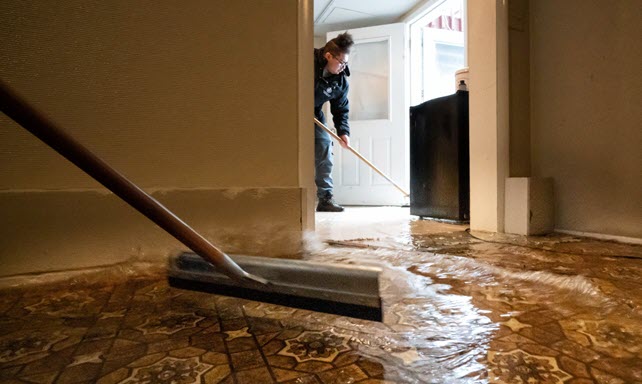
Class 1 is the least severe type of water damage. It involves a small area with low absorption and minimal moisture. Typically, only part of a room is affected, and the materials involved are low-porosity, such as concrete or tile. There is little to no wet carpet or padding, and evaporation rates are slow.
- Water loss impacts only a portion of a room or area.
- Materials like hardwood, plywood, or concrete are primarily affected.
- Little or no wet carpet or soft furnishings.
- Drying and restoration are usually straightforward and quick.
Class 2: Significant Spread and Absorption
Class 2 describes situations where water has spread over a larger area and has soaked into structural materials, such as walls and flooring. Carpets, cushions, and underlayments are often affected. The evaporation rate is higher, and the restoration process is more involved than Class 1.
- Water affects the entire room, including walls up to 24 inches.
- Carpets and cushions are wet and require thorough drying.
- Structural materials like wood subfloors may be saturated.
- Specialized drying equipment is often needed.
Class 3: Extensive Saturation
Class 3 is characterized by the highest evaporation rate and the most extensive water intrusion. Water may have come from overhead sources, saturating ceilings, walls, insulation, and flooring. This class often results from burst pipes, roof leaks, or severe storms.
- Water comes from above, soaking ceilings, walls, insulation, and floors.
- Carpets, pads, and subfloors are thoroughly saturated.
- Drying requires aggressive techniques and may involve removing materials.
- Mold growth is a significant risk if not addressed quickly.
Class 4: Specialty Drying Situations
Class 4 involves materials with very low permeance or porosity, such as brick, stone, or hardwood. Water has deeply penetrated these materials, making drying especially challenging. These situations often require longer drying times, specialized equipment, and sometimes demolition to fully remove moisture.
- Water is trapped in dense, hard-to-dry materials (e.g., plaster, concrete, stone).
- Specialty drying methods, such as heat or desiccant dehumidifiers, are needed.
- Restoration may take significantly longer than other classes.
- Common after severe flooding or when water sits undetected for an extended period.
Factors That Influence Water Damage Severity
While the class system focuses on the extent and absorption of water, other factors also play a role in the restoration process:
- Source of water: Clean water from a broken pipe is less hazardous than contaminated water from sewage or flooding.
- Duration: The longer water remains, the more likely it is to cause structural damage and mold growth.
- Building materials: Porous materials like drywall and carpet absorb water quickly, while non-porous surfaces are more resistant.
- Temperature and humidity: Warm, humid conditions accelerate mold and bacteria growth.
For a comprehensive approach to prevention, consider reviewing expert advice on how to protect your home from water damage and keeping your property safe year-round.
How Restoration Professionals Assess and Respond
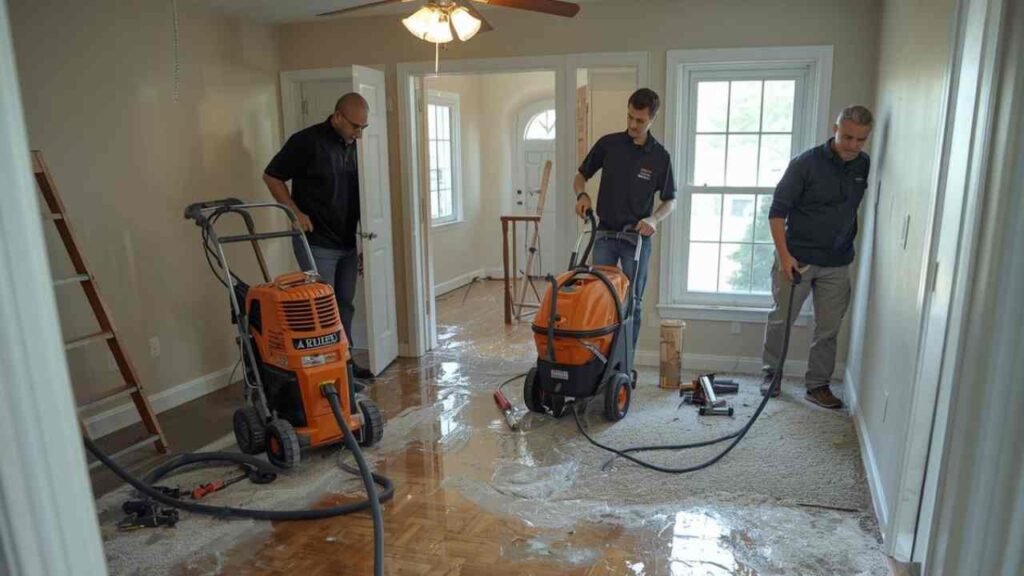
When a water loss occurs, restoration teams use moisture meters, infrared cameras, and other tools to determine the class and extent of the damage. This assessment guides their response, which may include:
- Extracting standing water
- Removing unsalvageable materials
- Setting up air movers and dehumidifiers
- Monitoring moisture levels until the area is dry
- Sanitizing and deodorizing affected spaces
In more severe cases, such as Class 3 or 4, restoration may involve opening walls, removing flooring, or using specialty drying equipment to reach trapped moisture. Quick action is essential to prevent secondary damage and reduce restoration costs.
Common Signs of Water Damage by Class
Identifying the signs of water intrusion early can help you act before the problem escalates. Some indicators to watch for include:
- Discoloration or staining on walls and ceilings
- Warped or buckling floors
- Musty odors indicating mold growth
- Peeling paint or wallpaper
- Visible mold or mildew
If you notice any of these issues, a guide to the signs of water damage in a house can help you determine the next steps and whether professional help is needed.
Preventing and Managing Water Intrusion
While not all water incidents can be avoided, regular maintenance and prompt action can reduce the risk and impact. Here are some practical tips:
- Inspect plumbing and appliances regularly for leaks.
- Ensure gutters and downspouts direct water away from your foundation.
- Seal windows, doors, and cracks in exterior walls.
- Install water alarms and automatic shut-off valves.
- Act quickly if you discover a leak or flooding—remove standing water and ventilate the area.
For a thorough approach to evaluation, check out a water damage inspection guide or use a water damage assessment checklist to ensure nothing is overlooked.
Understanding Old vs. New Water Damage
Distinguishing between recent and long-standing moisture issues is important for insurance claims and effective repairs. Signs like discoloration, texture changes, and mold growth can indicate how long water has been present. For more details on this topic, visit how to determine if you have new or old water damage for expert tips and visual cues.
FAQ: Water Damage Classes and Restoration
What is the difference between water damage classes and categories?
Classes refer to the extent and type of materials affected by water, while categories describe the source and level of contamination (clean, gray, or black water). Both are used to guide restoration strategies and safety precautions.
How quickly should water damage be addressed?
Immediate action is best. The longer water sits, the greater the risk of mold, structural deterioration, and increased repair costs. Even minor leaks should be dried and repaired as soon as possible.
Can I handle water damage cleanup myself?
Small, contained incidents (Class 1) may be manageable with household equipment. However, larger or more severe cases (Class 2-4), or those involving contaminated water, should be handled by professionals to ensure thorough drying and prevent health hazards.
How do I know if water has penetrated walls or floors?
Signs include warping, bubbling, or soft spots in walls and floors. Moisture meters and infrared cameras can detect hidden moisture. If in doubt, consult a restoration specialist for an assessment.
Will insurance cover all types of water damage?
Coverage depends on your policy and the cause of the damage. Sudden, accidental events are often covered, while gradual leaks or neglect may not be. Review your policy and document all damage for claims.