
How to Protect Your Home from Water Damage: 7 Expert Steps
· Ethan Williams
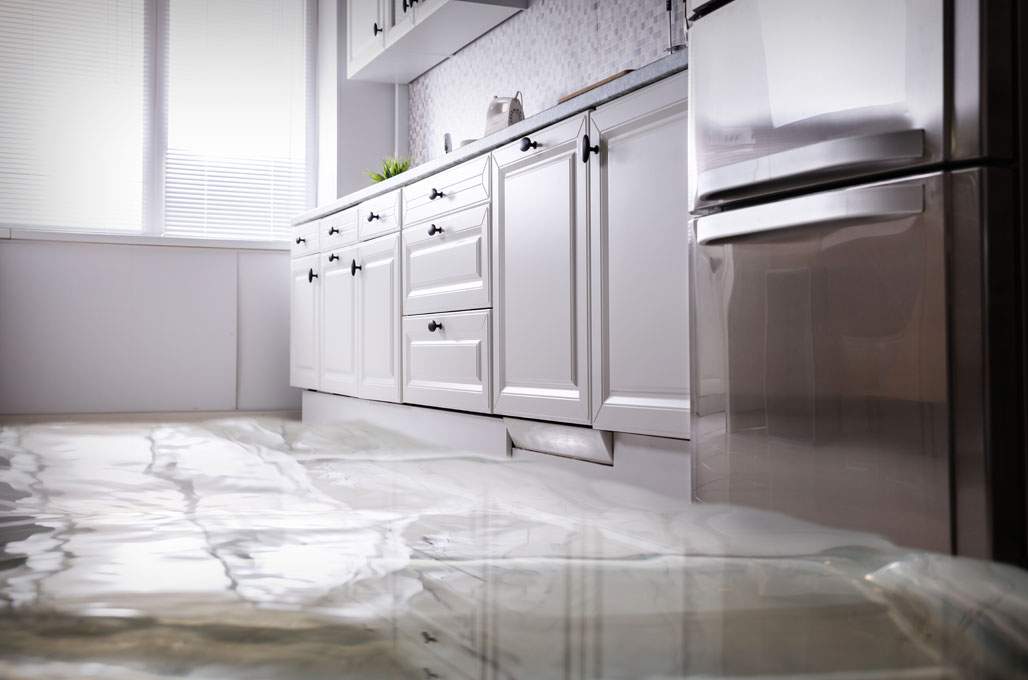
Water intrusion is one of the most common and costly issues homeowners face. Even minor leaks can lead to significant structural problems, mold growth, and expensive repairs. Understanding how to protect your home from water damage is essential for every property owner, whether you live in a flood-prone area or not. Proactive measures can help you avoid the stress and financial burden that come with unexpected water-related incidents.
Recognizing the early signs of water damage in a house can make a big difference in preventing further deterioration. By staying vigilant and following expert advice, you can safeguard your property and maintain its value for years to come.
Why Water Damage Is a Serious Threat
Unchecked moisture can compromise your home's foundation, weaken wooden structures, and create an environment where mold and mildew thrive. Insurance claims for water-related incidents are among the most frequent, and many policies do not cover all types of water intrusion. Prevention is far more effective and affordable than remediation.
Understanding the common causes of water damage—such as plumbing failures, roof leaks, and poor drainage—helps you target your efforts where they're needed most.
Step 1: Inspect and Maintain Your Roof
Your roof is your home's first line of defense against rain and snow. Regularly check for missing, cracked, or curling shingles, as well as damaged flashing around chimneys and vents. Clean gutters and downspouts at least twice a year to prevent blockages that can cause water to back up under roofing materials.
Look for signs of water stains or dampness in your attic after heavy storms. Promptly address any issues to avoid leaks that can lead to extensive interior damage.
Step 2: Ensure Proper Drainage Around the Foundation
Poor drainage is a leading cause of basement flooding and foundation problems. Make sure the ground slopes away from your home, directing water at least six feet from the foundation. Extend downspouts and use splash blocks to move runoff further from the structure.
Inspect for pooling water after rainstorms and address low spots with soil or gravel. Consider installing a French drain or other drainage solutions if water consistently collects near your home's perimeter.
Step 3: Maintain and Upgrade Plumbing Systems
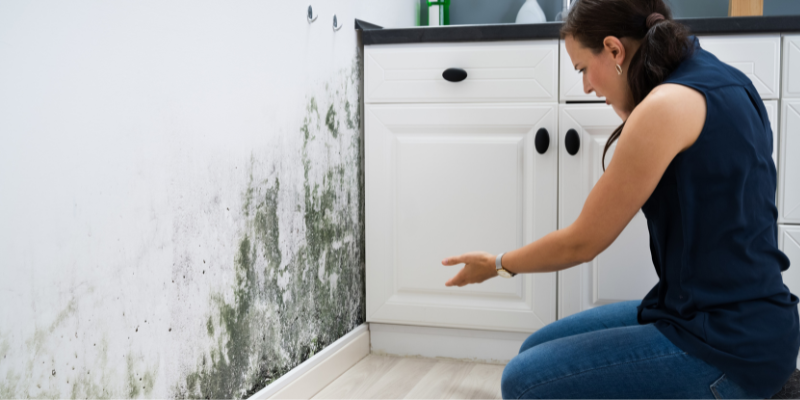
Leaky pipes, worn-out hoses, and faulty connections are frequent sources of hidden moisture. Regularly inspect visible plumbing under sinks, behind appliances, and in basements for drips or corrosion. Replace old washing machine hoses with braided stainless steel versions, which are less likely to burst.
Install water leak detectors near high-risk areas such as water heaters, dishwashers, and sump pumps. These devices can alert you to leaks before they cause significant harm.
Step 4: Seal Windows, Doors, and Other Entry Points
Gaps and cracks around windows and doors let water seep in during storms. Check caulking and weatherstripping annually, and repair or replace as needed. Pay special attention to basement windows, which are particularly vulnerable to leaks.
For older homes, consider upgrading to modern, energy-efficient windows and doors that offer improved sealing and protection against the elements.
Step 5: Safeguard Basements and Crawl Spaces
Basements and crawl spaces are especially susceptible to moisture problems. Use a high-quality sump pump with a battery backup to remove excess water during heavy rains. Install a vapor barrier on crawl space floors to block ground moisture.
Regularly inspect these areas for dampness, mold, or musty odors. If you notice persistent issues, consult a professional for a water damage inspection guide and tailored solutions.
Step 6: Monitor Indoor Humidity and Ventilation
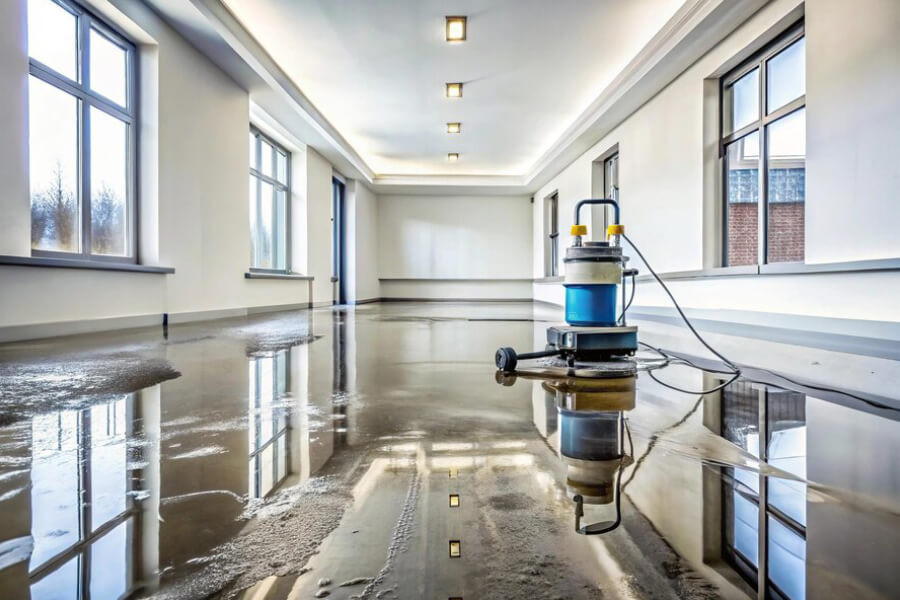
High humidity encourages condensation and mold growth. Use dehumidifiers in damp areas, especially basements and bathrooms. Ensure that exhaust fans in kitchens, bathrooms, and laundry rooms vent to the outside, not just into the attic or crawl space.
Keep indoor humidity below 60% to minimize the risk of moisture-related issues. Hygrometers are inexpensive tools that help you track humidity levels throughout your home.
Step 7: Prepare for Emergencies and Regular Maintenance
Even with the best precautions, unexpected events can still occur. Create an emergency plan that includes shutting off the main water supply and knowing how to contact local restoration professionals. Keep important documents and valuables in waterproof containers.
Schedule annual inspections of your roof, plumbing, and foundation. Use a water damage assessment checklist to ensure nothing is overlooked during your routine checks.
Additional Tips for Preventing Costly Water Issues
- Trim trees and shrubs away from your home to prevent roots from damaging pipes and foundation walls.
- Insulate exposed pipes to prevent freezing and bursting during cold weather.
- Test your sump pump regularly to ensure it is working properly before the rainy season.
- Store items in basements and crawl spaces on shelves or in waterproof bins, not directly on the floor.
Frequently Asked Questions
What are the first signs of water damage in a house?
Early indicators include musty odors, discoloration on walls or ceilings, peeling paint, warped flooring, and unexplained increases in water bills. Spotting these signs early can help you address issues before they become severe.
How often should I inspect my home for potential water problems?
It's best to perform a thorough inspection at least once a year, ideally before the rainy season. Check your roof, gutters, plumbing, and foundation for any signs of wear or leaks. More frequent checks are recommended if you live in an area prone to storms or flooding.
Can I handle minor water leaks myself, or should I call a professional?
Small leaks, such as a dripping faucet or minor pipe joint, can often be fixed with basic tools and materials. However, if you notice extensive water stains, mold, or structural damage, it's wise to consult a professional to assess and repair the underlying issue.
Conclusion
Taking proactive steps to minimize the risk of water intrusion is one of the most effective ways to protect your investment and maintain a healthy living environment. By following these expert recommendations, you can reduce the likelihood of costly repairs and preserve the value of your property. Stay vigilant, perform regular maintenance, and address issues promptly to keep your home safe from water-related threats.