
Comprehensive Water Damage Assessment Checklist for Homes
· Ethan Williams
Water intrusion can cause significant problems for homeowners, from structural deterioration to mold growth and electrical hazards. A thorough water damage assessment checklist is essential for identifying issues early and preventing further complications. This guide provides a detailed approach to inspecting your property after leaks, floods, or plumbing failures, helping you safeguard your home and maintain its value.
Understanding the steps involved in a proper evaluation can also help you communicate effectively with restoration professionals and insurance providers. For more tips on recognizing the signs of moisture problems, you may find this comprehensive guide to spotting water damage in buildings helpful.
Why a Home Water Damage Inspection Is Crucial
Unchecked moisture can quickly escalate into costly repairs and health risks. By using a water damage assessment checklist, you ensure that no critical area is overlooked. Early detection allows for prompt intervention, reducing the risk of mold, rot, and compromised electrical systems. Homeowners who regularly inspect their properties are better equipped to maintain a safe and healthy living environment.
Key Signs of Moisture Problems to Look For
Before diving into a detailed inspection, familiarize yourself with the most common indicators of water-related issues:
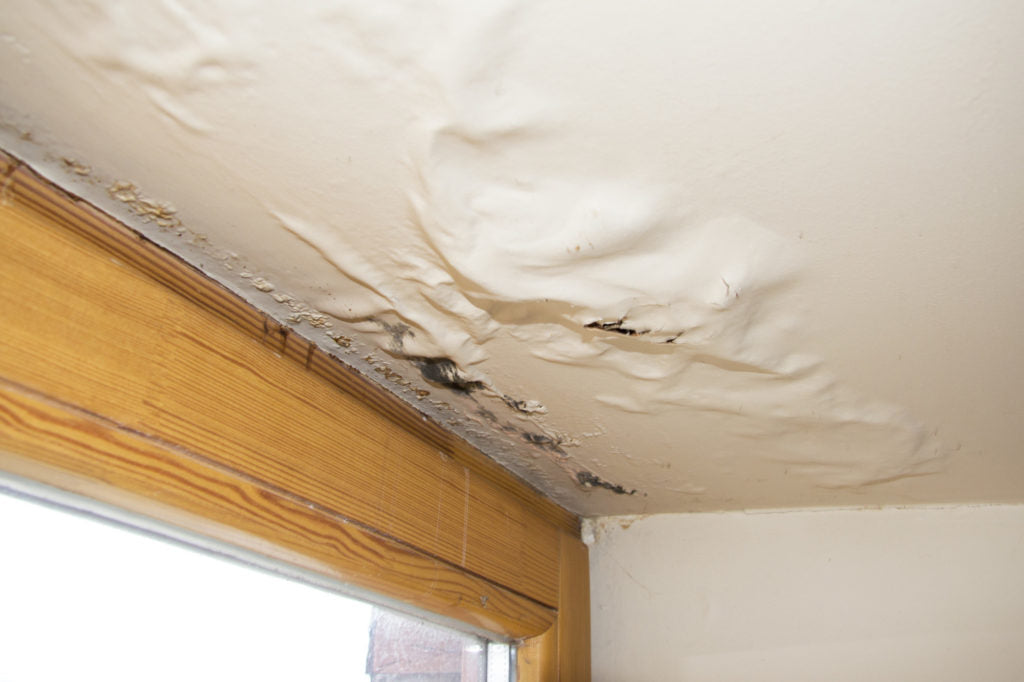
- Stains and discoloration: Brown, yellow, or dark spots on ceilings, walls, or floors often signal leaks.
- Peeling paint or wallpaper: Moisture behind surfaces can cause finishes to bubble or peel away.
- Musty odors: Persistent damp smells are a strong sign of hidden water damage or mold growth.
- Warped or buckled flooring: Swelling or uneven surfaces may indicate water has seeped beneath floor coverings.
- Visible mold: Any black, green, or white patches should be investigated immediately.

Step-by-Step Home Water Damage Assessment Checklist
Use this systematic approach to examine all vulnerable areas of your home. Document your findings and take photos where possible to assist with repairs or insurance claims.
1. Exterior Inspection
- Roof: Check for missing shingles, damaged flashing, and clogged gutters that could allow water to enter.
- Foundation: Look for cracks, pooling water, or soil erosion near the base of your home.
- Windows and doors: Inspect seals and frames for gaps, rot, or signs of moisture intrusion.
- Siding: Identify warped panels, peeling paint, or mold growth on exterior walls.
2. Interior Walls and Ceilings
- Examine all rooms for stains, bubbling paint, or soft spots on walls and ceilings.
- Pay special attention to areas beneath bathrooms, kitchens, and laundry rooms where plumbing runs overhead.
- Use a moisture meter if available to detect hidden dampness behind surfaces.
3. Floors and Subflooring
- Check for warped, buckled, or soft flooring, especially near sinks, tubs, and appliances.
- Lift carpets or rugs to look for discoloration or mold on the subfloor.
- Inspect basement floors for efflorescence (white powdery residue), which can indicate water seepage.
4. Plumbing and Appliances
- Inspect pipes under sinks, behind toilets, and around water heaters for leaks or corrosion.
- Check washing machines, dishwashers, and refrigerators for pooling water or dampness beneath and behind them.
- Look for water stains on walls or floors adjacent to plumbing fixtures.
5. Attic and Crawl Spaces
- Look for wet insulation, mold, or wood rot in attics and crawl spaces.
- Check for daylight coming through the roof, which could indicate holes or gaps.
- Ensure vents are unobstructed and functioning to prevent condensation buildup.
6. Electrical and HVAC Systems
- Inspect electrical outlets, breaker panels, and wiring for signs of corrosion or water exposure.
- Check HVAC units and ductwork for rust, condensation, or mold growth.
- If you suspect water has reached electrical systems, consult a licensed electrician before proceeding.

What to Do If You Find Water Damage
If your inspection reveals any signs of moisture problems, act quickly to minimize further harm:
- Stop the source: Shut off water supplies or repair leaks as soon as possible.
- Remove standing water: Use mops, towels, or wet/dry vacuums to clear pooled water.
- Dry affected areas: Open windows, use fans, and run dehumidifiers to speed up drying.
- Document everything: Take photos and notes for insurance and restoration professionals.
- Contact experts: For extensive damage, consult certified water restoration specialists to ensure proper remediation and mold prevention.
Preventive Measures for Homeowners
Regular maintenance and vigilance can help you avoid costly repairs in the future. Here are some proactive steps:
- Inspect your roof, gutters, and downspouts at least twice a year.
- Seal windows, doors, and foundation cracks promptly.
- Install water alarms and automatic shut-off valves in vulnerable areas.
- Maintain proper grading around your home to direct water away from the foundation.
- Schedule annual plumbing and HVAC inspections to catch issues early.
Frequently Asked Questions
How often should I perform a home water damage inspection?
It’s recommended to conduct a thorough check at least once a year, and after any major weather event, plumbing failure, or if you notice signs of leaks or moisture.
What are the health risks of ignoring water damage?
Unaddressed moisture can lead to mold growth, which may cause respiratory issues, allergies, and other health problems, especially for children and those with compromised immune systems.
Can I handle water damage repairs myself, or should I hire a professional?
Minor issues like small leaks or stains can often be managed by homeowners. However, extensive damage, especially involving mold or electrical systems, should be addressed by certified professionals to ensure safety and thorough remediation.
Conclusion
Using a water damage assessment checklist is a practical way to protect your property and family from the hidden dangers of moisture. Regular inspections, prompt action, and preventive maintenance are key to minimizing risks and maintaining your home’s value. By staying vigilant and informed, you can address issues early and avoid the stress and expense of major repairs down the line.