
Key Signs of Water Damage in a House You Should Know
· Ethan Williams
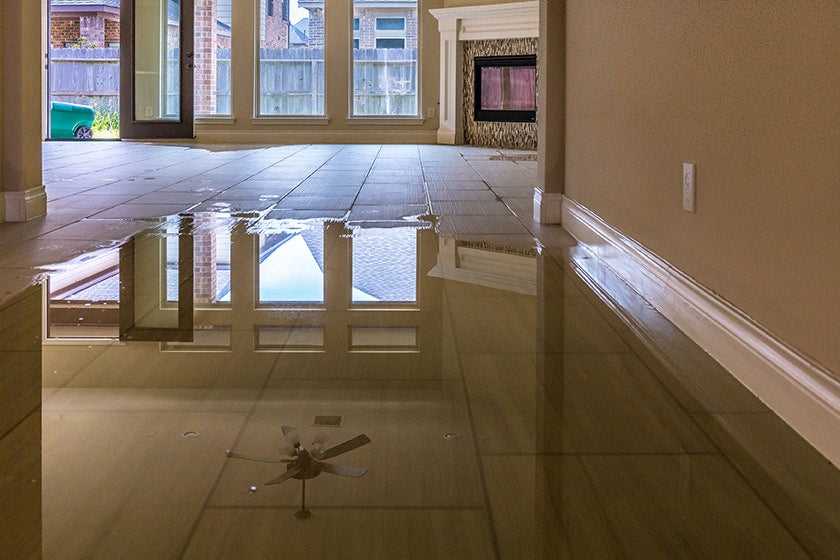
Water issues can cause significant problems for homeowners, often leading to costly repairs and health concerns if not addressed promptly. Recognizing the signs of water damage in a house early is crucial for preventing further deterioration and maintaining a safe living environment. Whether you’re purchasing a new home, performing routine maintenance, or investigating a suspicious spot, understanding what to look for can help you act quickly and effectively.
In this guide, we’ll outline the most common indicators of moisture-related issues, how to spot them, and why it’s important to address them as soon as possible. By learning to identify these warning signs, you can protect your property and avoid unnecessary expenses down the line.
For a deeper dive into how moisture can affect your walls and what to do about it, you might find this comprehensive guide on wall moisture issues helpful.
Common Visual Indicators of Moisture Problems
One of the first steps in identifying signs of water damage in a house is to look for visible changes in your home’s surfaces and structure. These changes can be subtle or obvious, but all warrant further investigation.
- Stains and Discoloration: Brown, yellow, or copper-colored stains on ceilings, walls, or floors often signal a leak above or behind the surface. These stains may grow over time or appear suddenly after heavy rain or plumbing issues.
- Peeling or Bubbling Paint and Wallpaper: When moisture seeps into drywall or plaster, it causes paint and wallpaper to lose adhesion. Look for areas where paint is flaking, bubbling, or peeling away from the wall.
- Warped or Buckled Surfaces: Wood floors, baseboards, and even drywall can warp, swell, or buckle when exposed to excess moisture. This is especially common in basements, bathrooms, and kitchens.
- Cracked or Sagging Ceilings: Water accumulation above ceilings can cause them to crack, sag, or even collapse in severe cases. Any noticeable change in ceiling shape should be addressed immediately.
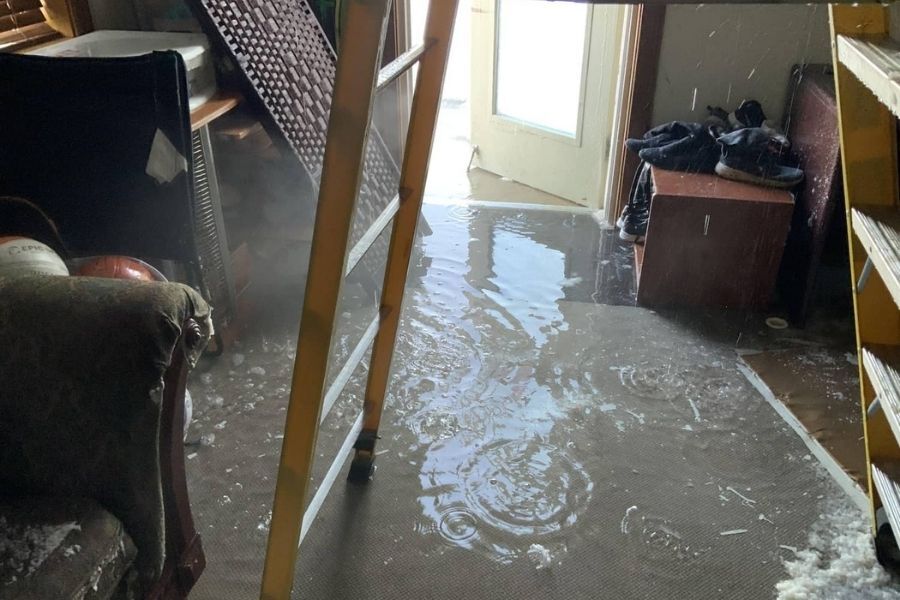
Hidden Warning Signs of Water Issues
Not all water damage warning signs are immediately visible. Some are hidden behind walls, under floors, or in less frequently visited parts of the home. Being aware of these can help you catch problems before they escalate.
- Musty Odors: Persistent damp or musty smells, especially in basements, crawl spaces, or closets, often indicate mold growth caused by excess moisture.
- Unexplained Increases in Utility Bills: A sudden spike in your water bill may point to a hidden leak in your plumbing system, which can eventually lead to structural damage if not repaired.
- Mold Growth: Mold can appear as black, green, or white patches on walls, ceilings, or floors. Even small spots of mold should be taken seriously, as they can spread quickly and impact indoor air quality.
- Sounds of Dripping or Running Water: If you hear water running when all taps are off, this could signal a leak inside your walls or under your floors.
Structural and Material Changes to Watch For
Water can weaken the structure of your home over time. Recognizing these signs of water damage in a house can help prevent long-term issues:
- Soft or Spongy Floors: If certain areas of your floor feel soft, spongy, or uneven, there may be rot or moisture beneath the surface.
- Rust on Metal Fixtures: Corrosion on nails, screws, or other metal components can indicate prolonged exposure to moisture.
- Cracked Foundation or Exterior Walls: Water infiltration can cause foundation cracks, which may lead to shifting or settling of the house.
- Efflorescence: This white, powdery residue on masonry surfaces is left behind when water evaporates, indicating that moisture is moving through the material.
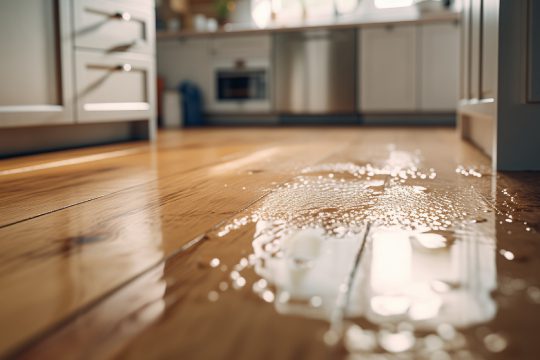
Health and Safety Risks Associated with Water Intrusion
Beyond property damage, moisture problems can create health hazards for you and your family. Mold spores, bacteria, and other contaminants thrive in damp environments, leading to respiratory issues and allergic reactions. If you notice increased allergy symptoms, persistent coughs, or unexplained headaches, it may be time to inspect your home for hidden leaks and address any sources of moisture promptly.
How to Respond When You Notice Water Damage
If you discover any of the above indicators, take action as soon as possible to minimize further harm. Here are some practical steps:
- Identify and Stop the Source: Locate the origin of the moisture, whether it’s a plumbing leak, roof issue, or foundation crack, and stop the flow of water.
- Document the Damage: Take photos and notes for insurance purposes before starting any cleanup or repairs.
- Dry Out the Area: Use fans, dehumidifiers, and open windows to remove excess moisture. The faster you dry the area, the less likely mold will develop.
- Consult a Professional: For extensive or hidden damage, contact a licensed contractor or water restoration specialist to assess and repair the problem safely.
Preventing Water Damage in Your Home
Prevention is always better than cure. Regular maintenance and vigilance can help you avoid the most common causes of water-related issues:
- Inspect your roof, gutters, and downspouts regularly to ensure they are clear and functioning properly.
- Seal windows, doors, and foundation cracks to prevent water intrusion during storms.
- Check plumbing fixtures and appliances for leaks or drips, and repair them promptly.
- Maintain proper grading around your home to direct water away from the foundation.
- Install water alarms or leak detectors in high-risk areas like basements, laundry rooms, and under sinks.
FAQ
What are the most common areas in a home affected by water damage?
The most frequently impacted areas include basements, bathrooms, kitchens, attics, and around windows and doors. These spaces are more prone to leaks due to plumbing, poor ventilation, or exposure to the elements.
How can I tell if a stain on my ceiling is from water damage?
Water stains are usually discolored spots that may have a brown, yellow, or copper tint. They often appear after heavy rain or plumbing issues and may feel damp to the touch. If you notice a stain growing or accompanied by peeling paint, it’s likely caused by moisture.
Is it safe to clean up water damage myself?
For small, surface-level issues, you can often clean and dry the area yourself. However, if the damage is extensive, involves mold, or affects structural components, it’s best to consult a professional to ensure safe and thorough remediation.