
The Complete Water Damage Restoration Process Explained
· Ethan Williams
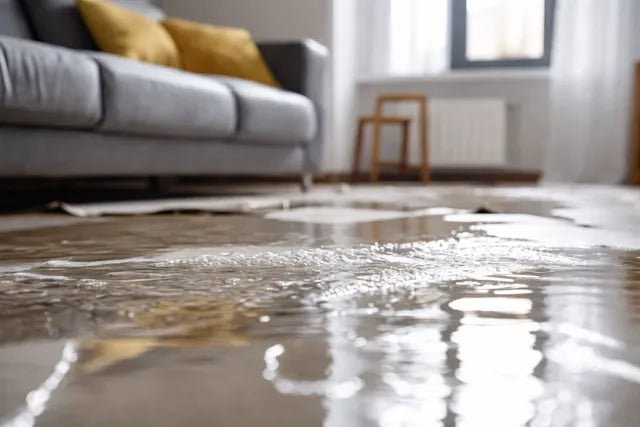
Water intrusion can quickly turn into a major problem for homeowners and businesses. Whether caused by burst pipes, heavy rain, or appliance malfunctions, excess moisture can lead to structural damage, mold growth, and costly repairs. Understanding the water damage restoration process is essential for minimizing losses and ensuring a safe, healthy environment after an incident.
This article breaks down each step professionals follow to restore properties affected by water. You'll learn what to expect, why each phase matters, and how timely action can make all the difference. For a deeper look at the types of water damage that can occur, see our related guide.
Recognizing the Signs and Acting Quickly
Early detection is crucial when dealing with water-related incidents. Common indicators include visible pooling, stains on ceilings or walls, musty odors, and warped flooring. If you notice any of these warning signs, immediate action can prevent further deterioration and reduce restoration costs. For a comprehensive list of symptoms, check out this guide to identifying water damage.
Once you suspect a problem, it's important to stop the source if possible—shut off the main water supply or address leaks right away. Contacting a professional restoration service ensures the situation is assessed and managed correctly from the start.
Initial Assessment and Inspection
The first step in the water damage restoration process is a thorough inspection. Restoration specialists use moisture meters, infrared cameras, and visual checks to determine the extent of the damage. They identify affected materials, the type of water involved (clean, gray, or black), and potential safety hazards.
This evaluation guides the development of a tailored restoration plan. It also helps prioritize urgent tasks, such as removing standing water or addressing electrical risks. Accurate assessment is essential for insurance claims and for ensuring all affected areas are properly treated.
Water Removal and Extraction
Once the situation is evaluated, the next priority is removing excess water. Professionals use industrial pumps, wet vacuums, and other specialized equipment to extract water quickly and efficiently. The faster this step is completed, the less likely it is that secondary damage—like mold growth or structural weakening—will occur.
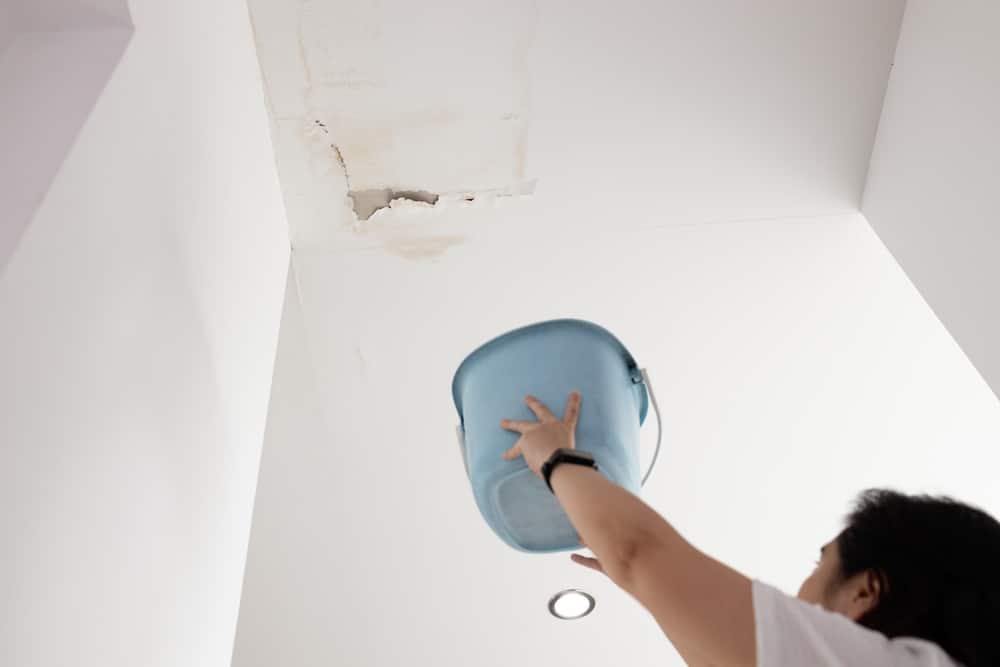
During extraction, technicians may move furniture, remove rugs, and clear out items that have absorbed moisture. Salvageable belongings are set aside for cleaning and drying, while unsalvageable materials are documented for insurance and disposed of properly.
Drying and Dehumidification
After standing water is removed, the focus shifts to drying the structure and contents. High-powered air movers and dehumidifiers are strategically placed to accelerate evaporation and draw moisture out of walls, floors, and hidden spaces. This stage can take several days, depending on the severity of the incident and the building materials involved.
Technicians monitor humidity levels and moisture content throughout the process, adjusting equipment as needed. Proper drying is critical for preventing mold and ensuring the long-term stability of the property.
Cleaning and Sanitizing Affected Areas
Water events often introduce contaminants, especially if the source is sewage or floodwater. The restoration process includes thorough cleaning and disinfection of all affected surfaces. Technicians use antimicrobial treatments, HEPA vacuums, and specialized cleaning agents to remove dirt, bacteria, and potential allergens.
Personal belongings such as clothing, furniture, and electronics are also assessed. Items that can be restored are cleaned and deodorized, while those beyond repair are documented for insurance purposes. This step ensures a safe, healthy environment for occupants.
Structural Repairs and Restoration
Once the property is dry and sanitized, repairs can begin. The scope of work varies depending on the extent of the damage. Common tasks include replacing drywall, insulation, and flooring, repainting walls, and repairing or replacing damaged cabinetry and fixtures.
In severe cases, structural components like beams or subflooring may require replacement. Restoration professionals coordinate with contractors and insurance adjusters to ensure all repairs meet safety and quality standards.
Prevention and Future Protection
After restoration is complete, it's wise to take steps to prevent future incidents. Regular maintenance, prompt repairs of leaks, and the installation of sump pumps or water alarms can help protect your property. For practical advice, see our article on water damage prevention tips.
Understanding the difference between water and flood damage can also help with insurance coverage and preparedness. Learn more in our guide to water damage vs flood damage.
Why Professional Restoration Matters
Attempting to handle significant water incidents without professional help can lead to incomplete drying, hidden mold growth, and ongoing structural issues. Certified restoration teams have the expertise, equipment, and training to manage the process safely and efficiently. They also assist with documentation for insurance claims, helping you recover faster and with less stress.
If you’re concerned about the risks and costs associated with water incidents, our resource on how serious is water damage provides further insights.
Frequently Asked Questions
How long does the water damage restoration process usually take?
The timeline varies depending on the extent of the damage, the size of the property, and the amount of water involved. Minor incidents may be resolved in a few days, while severe cases with structural repairs can take several weeks. Drying and dehumidification often require at least 3–5 days for most homes.
Can I stay in my home during restoration?
In many cases, it is possible to remain in your home if the affected area is isolated and safe. However, if there are health risks, extensive repairs, or contaminated water, temporary relocation may be necessary. Restoration professionals will advise you based on the specific situation.
Will my insurance cover water damage restoration?
Coverage depends on the cause of the incident and your policy terms. Sudden, accidental events like burst pipes are often covered, while gradual leaks or flood damage may not be. It’s important to review your policy and consult your insurance provider for details.
Conclusion
Dealing with water intrusion can be overwhelming, but understanding the water damage restoration process empowers you to act quickly and make informed decisions. By recognizing early signs, engaging qualified professionals, and following best practices for prevention, you can protect your property and restore peace of mind after an incident.