
Top 10 Water Damage Prevention Tips Every Homeowner Needs
· Ethan Williams
Water intrusion is one of the most common and costly issues homeowners face. Even minor leaks can lead to extensive property damage, mold growth, and expensive repairs. By learning effective water damage prevention tips, you can protect your home, belongings, and health. This article covers practical steps to minimize risks and keep your property dry and secure.
Recognizing the signs of water damage in a house early can help you address problems before they escalate. Along with regular inspections, following a proactive approach is essential for long-term protection.

Why Proactive Water Damage Prevention Matters
Unchecked moisture can weaken your home's structure, damage finishes, and create an environment for mold and mildew. Insurance claims for water-related incidents are among the most frequent, and many are preventable with the right measures. Implementing water damage prevention tips not only saves money but also preserves your home's value and your family's well-being.
1. Inspect and Maintain Your Roof Regularly
Your roof is the first line of defense against rain and snow. Check for missing, cracked, or curled shingles, and ensure flashing is intact around chimneys and vents. Clean gutters and downspouts to prevent water from pooling and seeping under roofing materials. Addressing minor issues promptly can prevent leaks and costly repairs.
2. Keep Gutters and Downspouts Clear
Clogged gutters can cause water to overflow and damage your siding, foundation, and landscaping. Clean them at least twice a year, especially after heavy storms or in the fall. Make sure downspouts direct water at least 3–6 feet away from your home’s foundation to avoid pooling and seepage.
3. Monitor Plumbing for Leaks and Corrosion
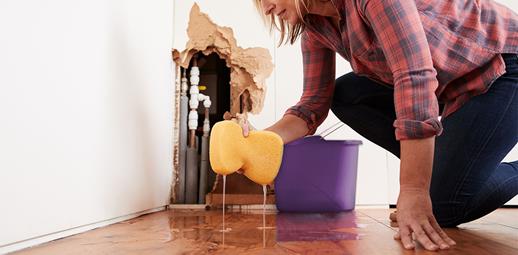
Regularly check under sinks, around toilets, and behind appliances for signs of leaks or corrosion. Even small drips can lead to significant damage over time. Replace worn washers and supply lines, and consider installing water leak detectors for early warning. If you notice musty odors or discoloration, consult a how to identify water damage resource to assess the situation.
4. Seal Windows and Doors Properly
Poorly sealed windows and doors allow rainwater to enter and cause rot or mold. Inspect caulking and weatherstripping annually, and replace them if cracked or missing. Ensuring a tight seal helps keep moisture out and improves energy efficiency.
5. Maintain Your Sump Pump
If your home has a basement, a functioning sump pump is crucial for preventing flooding. Test it regularly by pouring water into the pit and making sure it activates. Clean the pit and check the discharge line for obstructions. Consider a battery backup system to keep the pump running during power outages.
6. Grade Your Landscape Away from the Foundation
The ground around your home should slope away from the foundation to direct water away. If the soil settles or landscaping changes, water can pool near the base of your house, increasing the risk of seepage. Regrade as needed and avoid planting water-loving shrubs too close to the foundation.
7. Install Water Leak Detection Devices
Modern leak detectors can alert you to moisture in vulnerable areas such as basements, laundry rooms, and under sinks. Some systems can even shut off your water supply automatically when a leak is detected, providing peace of mind and minimizing potential damage.
8. Know Where Your Main Water Shutoff Valve Is
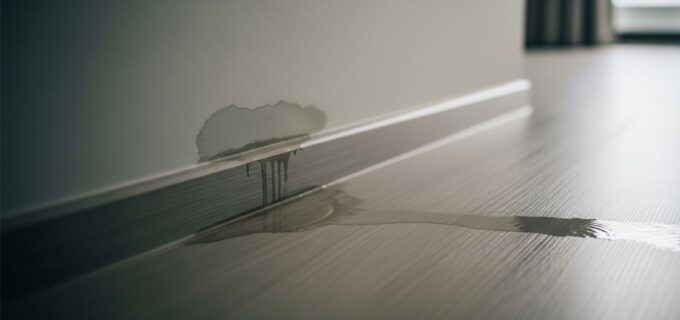
In the event of a burst pipe or major leak, shutting off the main water supply quickly can prevent extensive damage. Make sure everyone in your household knows the location of the shutoff valve and how to operate it. Label it clearly for easy identification during emergencies.
9. Insulate Pipes to Prevent Freezing
Frozen pipes can burst and cause significant flooding. Insulate exposed pipes in unheated areas such as basements, attics, and garages. During extreme cold, let faucets drip slightly to keep water moving and reduce the risk of freezing.
10. Schedule Regular Home Inspections
Professional inspections can uncover hidden vulnerabilities in your plumbing, roof, and foundation. Use a water damage inspection guide to perform your own checks between professional visits. Early detection is key to avoiding expensive repairs and maintaining a healthy home.
Common Causes of Water Damage
Understanding what leads to water issues is essential for prevention. According to this overview of common causes of water damage, the most frequent culprits include plumbing failures, roof leaks, appliance malfunctions, and poor drainage. By addressing these areas proactively, you can significantly reduce your risk.
Extra Steps for Comprehensive Protection
- Check your washing machine hoses for cracks or bulges and replace them every five years.
- Install backflow valves in basements to prevent sewage backups.
- Keep an up-to-date home inventory for insurance purposes.
- Review your homeowner’s insurance policy to ensure adequate coverage for water-related incidents.
For more detailed checklists, refer to a water damage assessment checklist to ensure you’re covering all bases.
Frequently Asked Questions
How can I tell if my home already has water damage?
Look for visible stains, peeling paint, warped floors, or musty odors. Unexplained increases in water bills can also indicate hidden leaks. For a step-by-step approach, consult resources on how to identify water damage.
Are water leak detectors worth installing?
Yes, leak detectors provide early alerts for moisture in high-risk areas. Many modern devices can send notifications to your phone or even shut off the water supply automatically, helping you act quickly and limit damage.
What should I do if I discover a leak?
Shut off the main water supply immediately to prevent further damage. Remove excess water, dry affected areas, and contact a professional if needed. Addressing leaks promptly is crucial for minimizing long-term issues.
By following these water damage prevention tips and staying vigilant, you can protect your home from costly and disruptive water-related problems. Regular maintenance, early detection, and smart upgrades are your best defense against unwanted moisture and its consequences.