
How Serious Is Water Damage? Risks, Costs & Consequences
· Ethan Williams

Water damage is one of the most underestimated threats to homes and buildings. While a small leak or minor flooding might seem manageable at first, the long-term consequences can be extensive and costly. Understanding how serious water damage can be is essential for homeowners, property managers, and renters alike. This article explores the risks, financial implications, and lasting effects of moisture intrusion, and offers practical advice for prevention and early detection.
Whether caused by heavy rain, plumbing failures, or appliance malfunctions, unwanted water can compromise your property’s structure, create health hazards, and lead to expensive repairs. Acting quickly and knowing what to look for can make all the difference. For those interested in proactive measures, reviewing these water damage prevention tips is a smart first step.
Why Water Damage Should Never Be Ignored
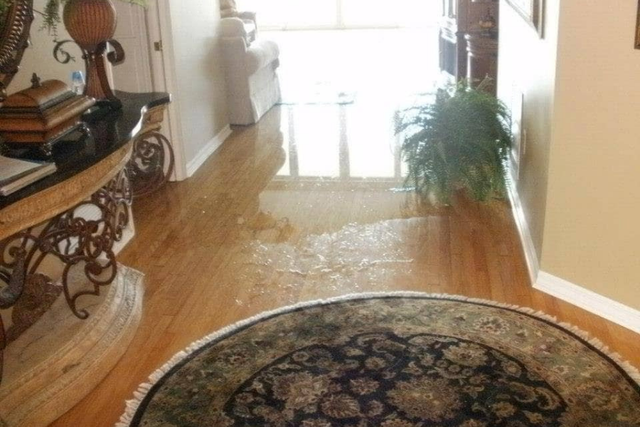
Even a seemingly minor water issue can escalate into a major problem if left unaddressed. The seriousness of water damage lies in its ability to silently weaken building materials, foster mold growth, and disrupt daily life. The longer moisture remains, the more extensive the damage becomes, often spreading beyond the initial area and affecting unseen spaces such as wall cavities and subfloors.
Early detection is crucial. Unchecked leaks or flooding can result in:
- Warped or rotting wood structures
- Cracked or crumbling drywall and plaster
- Compromised electrical systems
- Persistent musty odors
- Increased risk of mold and mildew
For a comprehensive overview of what to look for, see this guide to signs of water damage in a house.
Types of Water Damage and Their Severity
Not all water incidents are the same. The seriousness depends on the source and extent of the moisture. The Institute of Inspection, Cleaning and Restoration Certification (IICRC) classifies water damage into three categories:
- Clean water: From broken pipes or rainwater. While initially less hazardous, it can become contaminated over time.
- Gray water: Slightly contaminated, such as from washing machines or dishwashers. Can cause illness if ingested.
- Black water: Highly contaminated, from sewage backups or flooding. Contains dangerous pathogens and toxins.
Regardless of the type, all water damage should be treated promptly. Even clean water can turn hazardous if left untreated for more than 24-48 hours.
Hidden Risks: Structural and Health Consequences
The most dangerous aspect of water intrusion is what you can’t see. Moisture can seep into walls, floors, and ceilings, causing hidden structural damage. Over time, this weakens the integrity of your home and can lead to sagging floors, cracked foundations, and even collapse in severe cases.
Health risks are just as concerning. Damp environments are ideal breeding grounds for mold, bacteria, and dust mites. Prolonged exposure to these contaminants can trigger allergies, asthma attacks, and other respiratory issues. Children, the elderly, and those with compromised immune systems are especially vulnerable.
To learn more about detecting issues before they escalate, check out this detailed explanation of hidden water damage signs.
Financial Impact: Costs of Water Damage Restoration
One of the most pressing concerns for property owners is the cost of repairs. Restoration expenses vary widely depending on the extent and type of damage, but even minor incidents can result in significant bills. On average, homeowners spend anywhere from a few hundred to several thousand dollars to address water-related issues.
Key factors influencing cost include:
- Area and materials affected (carpet, hardwood, drywall, etc.)
- Duration of exposure before cleanup
- Presence of mold or hazardous materials
- Need for structural repairs or replacement
Insurance may cover some incidents, but not all policies include flood or gradual leak coverage. It’s important to review your policy and act quickly to mitigate further damage, as delays can result in denied claims.
Long-Term Effects of Unresolved Water Issues
Ignoring or postponing repairs can have lasting consequences. Chronic moisture problems can lead to:
- Decreased property value
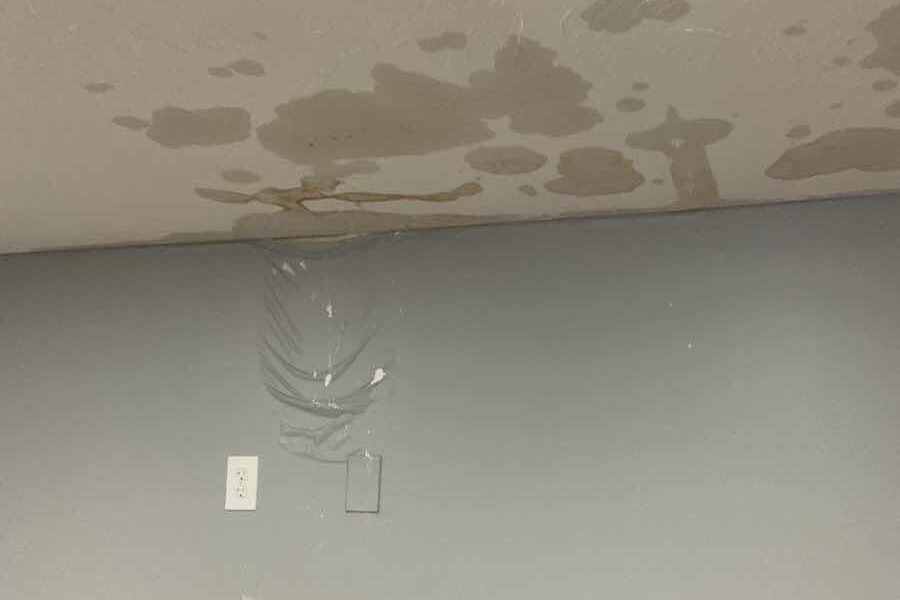
- Persistent odors and unsightly stains
- Ongoing mold remediation costs
- Electrical hazards and fire risk
- Increased pest infestations
These issues not only affect your comfort and safety but can also make it difficult to sell or rent your property in the future. Prospective buyers and tenants are often wary of homes with a history of water problems.
Prevention and Early Detection Strategies
Taking proactive steps is the best way to avoid the serious consequences of water damage. Here are some practical strategies:
- Regularly inspect plumbing, appliances, and roofing for leaks
- Install water alarms and automatic shut-off valves
- Maintain gutters and downspouts to direct water away from the foundation
- Keep an eye out for discoloration, bubbling paint, or musty smells
- Act immediately if you notice any signs of moisture
For a step-by-step approach, refer to this guide on how to identify water damage and learn how to spot early warning signs before they become costly repairs.
What to Do If You Discover Water Damage
If you suspect or confirm water intrusion, swift action is essential. Here’s what to do:
- Stop the source of water if possible (shut off valves, patch leaks)
- Remove excess water with mops, towels, or wet vacuums
- Ventilate the area and use fans or dehumidifiers to speed drying
- Document the damage with photos for insurance purposes
- Contact professionals for assessment and restoration if needed
Attempting to handle extensive damage without proper equipment or expertise can lead to incomplete drying and future problems. For large-scale incidents, professional remediation is strongly recommended.
Frequently Asked Questions
How quickly can water damage become a major problem?
Water can start causing structural issues and mold growth within 24 to 48 hours. The longer moisture remains, the more severe the consequences. Immediate action is crucial to minimize both health risks and repair costs.
Is water damage always visible?
No, many problems occur behind walls, under floors, or in ceilings. Signs like musty odors, peeling paint, or unexplained stains can indicate hidden moisture. For more details, see this water damage inspection guide.
Can I prevent all types of water damage?
While it’s impossible to eliminate every risk, regular maintenance and early detection greatly reduce the likelihood and severity of incidents. Following expert advice on how to protect your home from water damage can help safeguard your property.
Understanding the seriousness of water-related issues is the first step toward protecting your home, health, and finances. By staying vigilant and responding quickly, you can avoid the most damaging consequences and keep your property in top condition.