
Hidden Water Damage Risks for Homeowners: What to Know
· Ethan Williams

Many property owners are aware of the obvious threats that water can pose to their homes, such as burst pipes or visible leaks. However, there are less apparent dangers that can go unnoticed for months or even years, causing significant structural and financial harm. Understanding these water damage risks for homeowners is essential for protecting your investment and ensuring a safe living environment.
Hidden moisture issues can develop behind walls, under floors, or in attics and basements. These problems often start small but can escalate quickly, leading to mold growth, wood rot, and even compromising the integrity of your home's foundation. Recognizing the subtle signs and knowing where to look are key steps in prevention and early intervention.
For a detailed look at how to address these issues after they occur, you can review the water damage restoration process to understand the steps professionals take to restore a property.
Common Sources of Hidden Moisture Problems
Not all water-related threats are immediately visible. Some of the most damaging sources are those that remain concealed until the effects become severe. Here are several areas where water damage risks for homeowners often originate:
- Leaky plumbing behind walls: Small drips from pipes can saturate insulation and drywall, leading to mold and rot.
- Roof leaks: Damaged shingles or flashing can allow rainwater to seep into attics and wall cavities.
- Poorly sealed windows and doors: Water intrusion around frames can cause gradual deterioration of wood and drywall.
- Basement seepage: Groundwater or improper drainage can result in persistent dampness below grade.
- HVAC condensation: Air conditioning systems that are not draining properly may leak moisture into hidden areas.
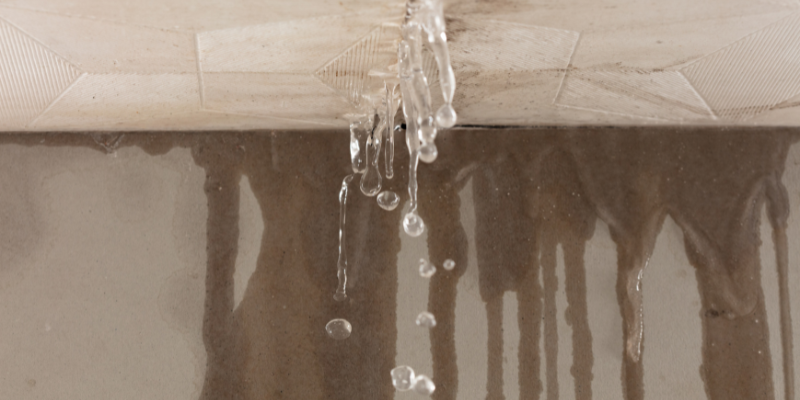
Warning Signs of Concealed Water Issues
Early detection is crucial for minimizing the impact of hidden moisture. Homeowners should be vigilant for subtle indicators that may suggest a problem:
- Unexplained musty odors: Persistent damp smells can signal mold growth behind surfaces.
- Peeling paint or wallpaper: Bubbling or flaking finishes often result from trapped moisture.
- Discoloration or staining: Brown or yellow spots on ceilings and walls may indicate a slow leak.
- Warped flooring: Hardwood or laminate that buckles or feels soft could be absorbing water from below.
- Sudden increase in utility bills: Higher water usage may point to a hidden plumbing leak.
Being proactive and investigating these signs can help prevent more extensive damage and costly repairs down the line.
Health and Structural Consequences
The impact of undetected water problems extends far beyond cosmetic concerns. Over time, these issues can compromise both the safety and health of occupants:
- Mold and mildew: Excess moisture provides the perfect environment for mold spores to thrive, which can trigger allergies and respiratory problems.
- Wood rot: Structural elements such as beams and joists may weaken, threatening the stability of the home.
- Electrical hazards: Water infiltration near wiring or outlets increases the risk of short circuits and fire.
- Foundation damage: Persistent leaks can erode concrete and cause settling or cracking.
For more information on the severity of these risks, see the article on how serious is water damage and learn about the long-term consequences.

How to Spot Hidden Water Damage in Your Home
Detecting concealed moisture requires a combination of vigilance and routine inspection. Here are practical steps to help you identify potential trouble spots:
- Check under sinks and around appliances: Look for pooling water, dampness, or corrosion near plumbing fixtures.
- Inspect attics and basements: Use a flashlight to look for discoloration, mold, or damp insulation.
- Monitor exterior drainage: Ensure gutters and downspouts direct water away from the foundation.
- Test for soft spots: Gently press walls and floors for areas that feel spongy or weak.
- Use moisture meters: These tools can detect elevated humidity levels behind surfaces.
For more tips on identifying these issues, you can read this comprehensive guide to spotting water damage in buildings.
Prevention Strategies for Homeowners
Preventing hidden moisture issues is far more cost-effective than dealing with the aftermath. Consider these strategies to safeguard your property:
- Regular maintenance: Schedule annual inspections of your roof, plumbing, and HVAC systems.
- Seal vulnerable areas: Use caulk or weatherstripping around windows, doors, and exterior penetrations.
- Install sump pumps and dehumidifiers: These devices help control moisture in basements and crawl spaces.
- Address landscaping: Grade soil away from the foundation and avoid planting water-loving shrubs too close to the house.
- Educate household members: Teach everyone to report leaks or dampness immediately.
For a more comprehensive checklist, refer to these water damage prevention tips that every property owner should know.
Understanding the Different Types of Water Damage
Not all moisture problems are the same. The source, duration, and extent of exposure all influence the severity and necessary response. Learning about the types of water damage can help you identify the right solutions and communicate effectively with restoration professionals.
Additionally, it's important to distinguish between water and flood events, as insurance coverage and remediation approaches may differ. For more details, see the article on water damage vs flood damage.
Frequently Asked Questions
What are the most common hidden sources of water damage in homes?
Some of the most frequent hidden sources include leaking pipes behind walls, roof leaks, poorly sealed windows, basement seepage, and condensation from HVAC systems. These issues often go unnoticed until visible signs appear or significant damage has occurred.
How can I tell if my home has hidden water damage?
Watch for musty odors, peeling paint, discoloration on ceilings or walls, warped flooring, and unexpected increases in water bills. Regular inspections and the use of moisture meters can also help detect problems before they become severe.
What should I do if I discover hidden water damage?
Address the source of the moisture immediately to prevent further harm. Depending on the extent, you may need to consult a professional restoration service. Quick action can help limit structural damage and reduce the risk of mold growth.