
How Long Does Water Damage Take to Appear? (Timeline Guide)
· Ethan Williams

Water damage is a concern for homeowners and property managers because its effects can develop quickly or remain hidden for days or even weeks. Understanding how long does water damage take to appear is essential for preventing costly repairs and safeguarding your property. The timeline for visible signs depends on several factors, including the source of the water, materials affected, and environmental conditions.
Some signs are immediate, while others may not become apparent until much later. Acting promptly when you suspect a leak or flood can make a significant difference in minimizing the impact. For a deeper understanding of the risks, you may want to review the water damage risks for homeowners to learn about hidden dangers that often go unnoticed.
Understanding the Timeline of Water Damage
The progression of water-related issues follows a general timeline, but the exact speed can vary. Recognizing the stages helps you identify problems early and take appropriate action. Here’s a breakdown of what typically happens after water exposure:
- Within Minutes: Water begins to spread quickly, saturating porous materials such as drywall, wood, and carpets. Stains and swelling may start to appear.
- Within Hours: Finishes on furniture and walls may blister. Metal surfaces can begin to tarnish, and odors may develop.
- Within 24–48 Hours: Mold growth can begin, especially in warm and humid conditions. Wood structures may warp, and paint can start to peel.
- After 1 Week: Structural damage becomes more severe. Mold colonies are well established, and restoration becomes more complex and expensive.
These stages highlight the importance of quick action. Even if you don’t see immediate signs, underlying damage may be progressing out of sight.
Factors Affecting How Quickly Water Damage Becomes Visible
Several variables influence how soon you’ll notice the effects of moisture intrusion:
- Type of Water: Clean water from a burst pipe behaves differently than contaminated water from flooding or sewage backups.
- Building Materials: Porous materials like drywall and insulation absorb water rapidly, while tile or concrete may resist visible changes for longer.
- Temperature and Humidity: Warm, humid environments accelerate mold growth and material deterioration.
- Ventilation: Poor airflow slows drying and can allow hidden moisture to linger, worsening the problem over time.
- Extent of Exposure: A small leak might take days or weeks to show, while a major flood can cause immediate and obvious destruction.
Understanding these factors helps you assess the urgency and potential risks when you discover or suspect water intrusion.
Common Early Signs of Moisture Issues
Detecting problems early can save you from expensive repairs. Here are some warning signs to watch for:
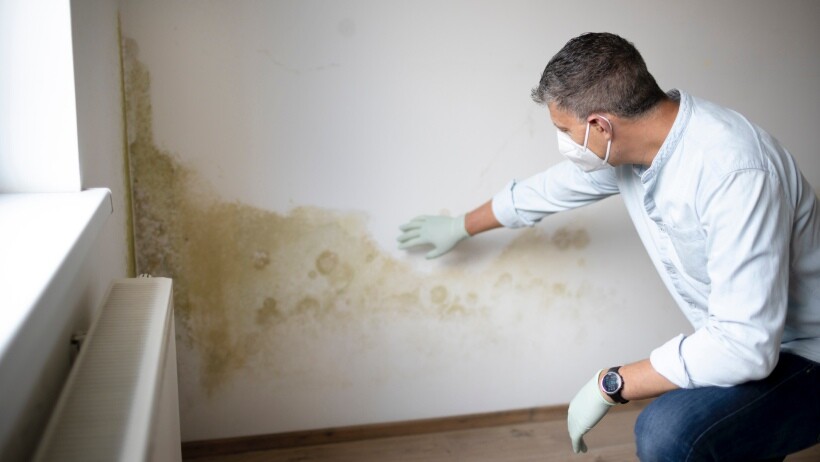
- Discoloration: Stains or yellowish spots on ceilings and walls often indicate water has seeped in.
- Peeling Paint or Wallpaper: Moisture causes adhesives to fail, leading to bubbling or peeling surfaces.
- Musty Odors: Persistent damp smells are a strong indicator of hidden moisture or mold growth.
- Warped Floors or Walls: Swelling, buckling, or sagging can signal water absorption in wood or drywall.
- Mold Growth: Visible mold usually appears within 24–48 hours in optimal conditions, but spores may be present before you see them.
For more details on subtle indicators, check out these water damage warning signs homeowners miss to help you spot trouble before it escalates.
How Long Does It Take for Water Damage to Show on Different Materials?
The timeline for visible effects varies by material:
| Material | Visible Signs May Appear |
|---|---|
| Drywall | Within hours to 1 day (staining, swelling) |
| Wood | 24–48 hours (warping, discoloration) |
| Carpet | Minutes to hours (dampness, odor) |
| Tile/Concrete | Several days (grout discoloration, efflorescence) |
| Insulation | Within 1–2 days (loss of effectiveness, mold) |
Some materials, like tile, may hide moisture beneath the surface, making it harder to detect until secondary issues arise.
Hidden Water Damage: What You Might Not See Immediately
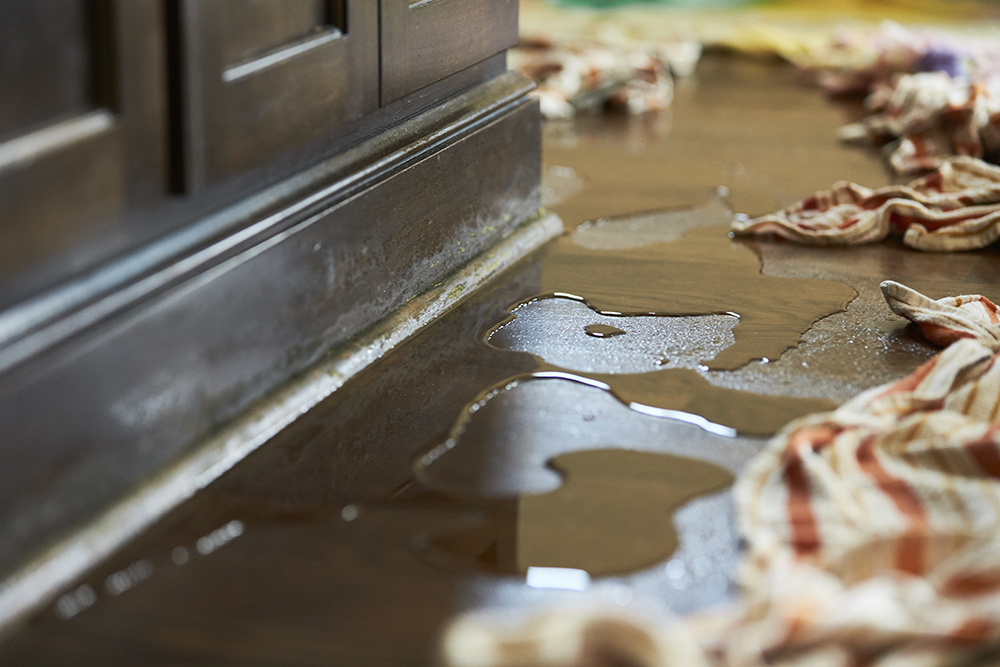
Not all issues are visible right away. Water can seep behind walls, under floors, or into insulation, causing gradual deterioration. Over time, this can lead to structural problems, electrical hazards, and health risks from mold. Regular inspections and moisture meters can help detect these hidden threats.
If you want to learn more about the full process of addressing these issues, the water damage restoration process provides a step-by-step overview of remediation and repair.
What to Do When You Suspect Water Damage
If you notice any of the early signs or suspect a hidden leak, it’s important to act quickly:
- Identify and stop the source of water if possible.
- Remove standing water and start drying affected areas using fans and dehumidifiers.
- Inspect for visible and hidden damage, including behind walls and under floors.
- Contact professionals for assessment and remediation if the affected area is large or if mold is present.
- Document the damage for insurance purposes with photos and notes.
Prevention is also key. For practical advice on safeguarding your property, see these water damage prevention tips and learn how to protect your home from water damage with proven strategies.
Why Quick Action Matters
The longer moisture is left untreated, the more extensive and expensive the repairs become. Mold can start to grow in as little as 24 hours, and structural components may weaken within days. Insurance claims may also be affected if you delay reporting or remediation.
For a visual guide to the appearance of water-related issues, see this resource on what water damage looks like for more examples and tips on identification.
Frequently Asked Questions
How soon can mold start growing after water exposure?
Mold can begin to develop within 24 to 48 hours of water exposure, especially in warm and humid conditions. Prompt drying and ventilation are critical to prevent mold growth.
Are there signs of water damage that are easy to miss?
Yes, some indicators are subtle, such as a slight musty odor, minor discoloration, or small bubbles in paint. Regular inspections and attention to changes in your home’s appearance can help catch these early.
Can water damage be hidden behind walls or under floors?
Absolutely. Water can seep into areas that aren’t immediately visible, leading to hidden rot, mold, or structural issues. Using moisture meters or consulting professionals can help uncover these problems before they worsen.
How long does it take for structural damage to occur?
Structural damage can begin within a few days to a week, depending on the materials and extent of exposure. The longer water sits, the greater the risk of serious deterioration.
Summary
Recognizing how long does water damage take to appear is crucial for timely intervention and minimizing costly repairs. Visible signs can develop in minutes or take days, depending on the circumstances. Early detection, quick action, and preventive measures are your best defenses against long-term problems. Stay vigilant, inspect regularly, and don’t hesitate to seek professional help if you suspect hidden moisture in your property.