
5 Water Damage Warning Signs Homeowners Frequently Miss
· Ethan Williams

Water intrusion can be subtle, yet its consequences are often severe and costly. Many property owners overlook early indicators of moisture issues until significant damage has occurred. Recognizing water damage warning signs homeowners miss is crucial for protecting your investment and avoiding expensive repairs.
Even minor leaks or hidden moisture can lead to mold growth, structural problems, and health risks. By learning to spot these overlooked clues, you can address issues before they escalate. For a deeper understanding of the restoration process after an incident, see the water damage restoration process guide.
Why Early Detection of Hidden Water Damage Matters
Unnoticed water issues can quietly undermine your home’s safety and value. Early signs are often subtle, but prompt action can prevent mold, rot, and expensive restoration. Many people focus on obvious problems like flooding or burst pipes, but it’s the less visible symptoms that often cause the most trouble.
Addressing hidden water damage warning signs quickly can save money and reduce health risks. Mold spores can develop within 24–48 hours of moisture exposure, and structural components like drywall and wood can deteriorate rapidly if left unchecked. By staying vigilant, you can minimize the impact and avoid the stress of major repairs.
Common Water Damage Indicators Homeowners Overlook
While some symptoms of water issues are easy to spot, others are frequently missed. Here are five signs that often go unnoticed, but can signal underlying problems:
-
Discoloration and Stains on Walls or Ceilings
One of the most overlooked water damage warning signs homeowners miss is subtle discoloration. Stains may appear as yellow, brown, or gray patches, often with irregular edges. These marks can develop slowly, making them easy to dismiss as aging paint or minor cosmetic issues.
However, such stains usually indicate moisture seeping through drywall or plaster. Pay close attention to areas near windows, under bathrooms, or below rooflines. If you notice new or expanding stains, investigate further to rule out leaks or condensation problems.
-
Musty Odors and Persistent Dampness
Unpleasant, earthy smells often signal hidden moisture. These odors are typically strongest in basements, crawl spaces, or behind walls. If you notice a musty scent that doesn’t go away with cleaning or ventilation, it may be a sign of mold or mildew growth caused by undetected water intrusion.
Persistent dampness—such as condensation on windows, clammy surfaces, or a general feeling of humidity—also warrants attention. These conditions can foster mold and attract pests, so it’s important to identify and address the source.
-
Peeling Paint, Bubbling Wallpaper, or Warped Surfaces
Moisture trapped behind walls can cause paint to peel, wallpaper to bubble, or surfaces to warp. These changes are often gradual, making them easy to ignore. However, they are classic signs of water damage that require investigation.
Look for areas where finishes are separating from the wall, or where wood trim and baseboards are starting to swell or deform. These symptoms often indicate a slow leak or chronic humidity problem.
-
Unexplained Increases in Water Bills
A sudden spike in your water bill, without a clear reason, can be a red flag. Hidden leaks in plumbing lines, toilets, or appliances may waste significant amounts of water before they become visible. Monitor your monthly usage and investigate any unexpected increases.
Check under sinks, behind appliances, and around toilets for dampness or pooling water. Even a small, slow leak can cause extensive damage over time if not addressed promptly.
-
Soft or Sagging Floors and Ceilings
Floors or ceilings that feel soft, spongy, or sag underfoot are often suffering from prolonged moisture exposure. This can occur from leaks above, plumbing failures, or even high humidity levels. If you notice these changes, act quickly—structural integrity may be compromised.
Use caution in affected areas and consult a professional if you suspect hidden water issues. Early intervention can prevent further deterioration and reduce repair costs.
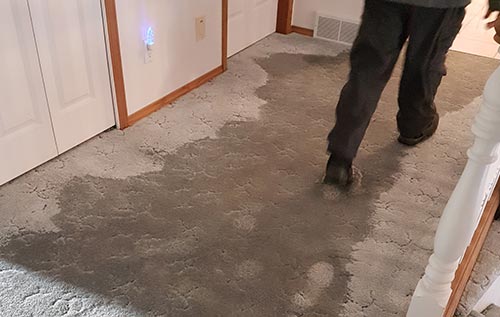

How to Respond When You Spot Water Damage Clues
Once you notice any of these warning signs, take immediate action. Start by identifying the source of moisture—whether it’s a leaking pipe, roof, window, or appliance. Stop the water flow if possible, and document the damage with photos for insurance purposes.
Depending on the extent of the problem, you may need to consult a licensed contractor or water damage specialist. For more details on the differences between various types of moisture issues, review the types of water damage resource. Acting swiftly can help you avoid mold growth, electrical hazards, and costly repairs.
Preventing Water Damage: Proactive Steps for Homeowners
Prevention is always better than cure. Regularly inspect your home for the subtle signs discussed above. Maintain gutters and downspouts, check plumbing fixtures, and seal windows and doors to prevent water intrusion. Installing moisture sensors or leak detectors can provide early warnings before significant damage occurs.
For actionable advice on minimizing risk, see these water damage prevention tips. Staying proactive can save you time, money, and stress in the long run.
Additional Resources and When to Seek Help
If you’re unsure about the severity of a moisture issue, it’s wise to consult professionals. Water damage can escalate quickly, especially if left untreated. For a comprehensive overview of the consequences and risks, read about how serious is water damage and what steps to take next.
For more detailed lists of symptoms and expert advice, you can also refer to this guide to identifying water damage on your property.
FAQ: Water Damage Signs & Prevention
What are the first signs of hidden water damage in a home?
Early indicators often include musty odors, small stains or discoloration on walls and ceilings, peeling paint, and unexplained increases in water bills. These subtle clues can signal leaks or moisture issues before more obvious symptoms appear.
How can I tell if a stain is caused by water damage or something else?
Water stains typically have irregular shapes and may change color over time, often appearing yellow, brown, or gray. If the area feels damp, soft, or continues to grow, it’s likely related to moisture. If in doubt, consult a professional for an assessment.
What should I do if I suspect water damage but can’t find the source?
If you notice warning signs but can’t locate the origin, consider hiring a licensed plumber or water damage specialist. They can use moisture meters and thermal imaging to detect hidden leaks. Acting quickly can prevent further deterioration and mold growth.