
Year Round Water Damage Prevention Strategies for Homes
· Ethan Williams
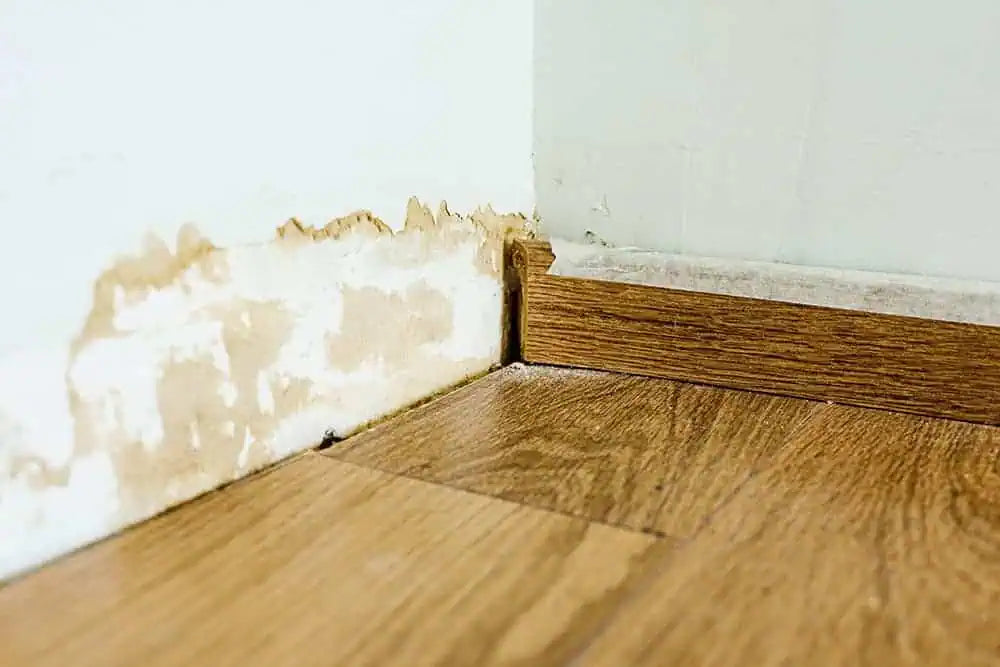
Protecting your home from water damage is a year-round responsibility. Seasonal weather changes, aging infrastructure, and daily household activities all contribute to potential risks. By implementing year round water damage prevention strategies, homeowners can reduce costly repairs, maintain property value, and ensure a safe living environment. This article outlines practical steps for every season, highlights common problem areas, and offers expert tips to keep your home dry and secure.
For those seeking a comprehensive approach to preparedness, our water damage preparedness guide provides detailed checklists and emergency planning advice.
Understanding the Risks: Why Ongoing Prevention Matters
Water intrusion can happen at any time, not just during storms or floods. Everyday issues like leaking pipes, clogged gutters, or poor ventilation can cause gradual damage that goes unnoticed until it becomes severe. The long term effects of water damage include mold growth, structural weakening, and health hazards. Recognizing these risks is the first step toward effective prevention.
Homeowners should be aware of both visible and hidden signs of moisture problems. Early detection and consistent maintenance are essential to avoid expensive restoration and protect your family’s well-being.
Key Year-Round Water Damage Prevention Strategies
Adopting a proactive approach throughout the year is crucial. Below are the most effective methods for safeguarding your property against water-related issues, no matter the season.

Routine Inspections and Maintenance
- Check for leaks under sinks, around toilets, and behind appliances regularly.
- Inspect your roof for missing or damaged shingles, especially after storms.
- Clean gutters and downspouts at least twice a year to prevent overflow and foundation seepage.
- Test sump pumps and backup systems to ensure they are operational before heavy rains.
- Monitor basement and crawl spaces for dampness or musty odors.
Consistent inspections allow you to catch small issues before they escalate. For more detailed steps, consult our water damage restoration checklist for homes.
Seasonal Adjustments for Maximum Protection
Each season brings unique challenges. Adjust your water damage prevention strategies to address specific risks throughout the year:
- Spring: Watch for rapid snowmelt and heavy rains. Ensure drainage systems are clear and direct water away from the foundation.
- Summer: Inspect irrigation systems and hoses for leaks. High humidity can also encourage mold, so use dehumidifiers in problem areas.
- Fall: Remove leaves and debris from gutters. Check weatherstripping around doors and windows to prevent wind-driven rain from entering.
- Winter: Insulate pipes to prevent freezing and bursting. Clear snow from the roof and around the foundation to avoid ice dams and seepage.
For a breakdown of seasonal vulnerabilities, our seasonal water damage risks guide covers winter, spring, and summer threats in detail.
Managing Indoor Humidity and Ventilation
High indoor moisture is a leading cause of hidden water damage. To control humidity:
- Use exhaust fans in bathrooms, kitchens, and laundry rooms.
- Keep attic vents clear to prevent condensation buildup.
- Install a whole-house dehumidifier if you live in a humid climate.
- Fix any plumbing leaks promptly to avoid persistent dampness.
Proper ventilation reduces the risk of mold and mildew, which can compromise air quality and damage building materials.

Critical Areas to Monitor for Water Intrusion
Some parts of your home are more vulnerable to water problems than others. Focusing your efforts on these locations can make a significant difference:
- Roof and attic: Look for signs of leaks, such as water stains or sagging insulation.
- Basement and foundation: Check for cracks, pooling water, or efflorescence (white mineral deposits).
- Bathrooms and kitchens: Examine grout and caulking around tubs, showers, and sinks for deterioration.
- Windows and doors: Ensure seals are intact and that there is no water intrusion during rainstorms.
- Appliances: Inspect washing machines, dishwashers, and water heaters for leaks or corrosion.
Regularly monitoring these areas can help you spot early warning signs and take corrective action before damage spreads. If you’re unsure what to look for, this guide to recognizing the signs of water damage offers helpful visuals and descriptions.
Emergency Planning and Response
No prevention plan is complete without preparing for unexpected events. Even with the best precautions, severe weather or plumbing failures can still occur. Develop a family emergency plan that includes:
- Knowing the location of your main water shutoff valve.
- Keeping contact information for local plumbers and restoration professionals handy.
- Storing important documents and valuables in waterproof containers.
- Reviewing your insurance policy to ensure adequate coverage for water-related incidents.
For families, our water damage recovery planning resource provides actionable steps for minimizing disruption and speeding up recovery after an incident.
Long-Term Benefits of Proactive Water Damage Prevention
Investing time and effort into year round water damage prevention strategies pays off in several ways:
- Lower repair costs: Addressing issues early prevents expensive structural repairs and mold remediation.
- Healthier indoor environment: Reducing moisture and mold improves air quality and reduces allergy risks.
- Increased property value: Homes with a history of water damage are harder to sell and may fetch lower prices.
- Peace of mind: Knowing your home is protected allows you to focus on other priorities without worry.
Consistent prevention is far more effective and less stressful than dealing with the aftermath of a major water event. For insights into how untreated moisture can affect your property, see our article on the long term effects of water damage.
Frequently Asked Questions
What are the most common causes of water damage in homes?
The leading causes include plumbing leaks, roof failures, clogged gutters, poor drainage, and malfunctioning appliances. Seasonal weather events like heavy rain or snowmelt also contribute to increased risk.
How often should I inspect my home for water damage risks?
It’s best to perform a thorough inspection at least twice a year—typically in spring and fall. However, after severe weather or if you notice signs like dampness or musty odors, check affected areas immediately.
Is water damage covered by homeowners insurance?
Coverage varies by policy. Most standard policies cover sudden and accidental water damage (like burst pipes), but not gradual issues or flooding from outside sources. Review your policy and consider additional coverage if needed.
Conclusion
Effective year round water damage prevention strategies involve regular inspections, seasonal adjustments, and proactive maintenance. By focusing on vulnerable areas and staying prepared for emergencies, you can protect your home, health, and investment. Use the resources and checklists linked throughout this article to build a comprehensive plan and keep your property safe all year long.