
Long Term Effects of Water Damage on Your Home's Structure
· Ethan Williams
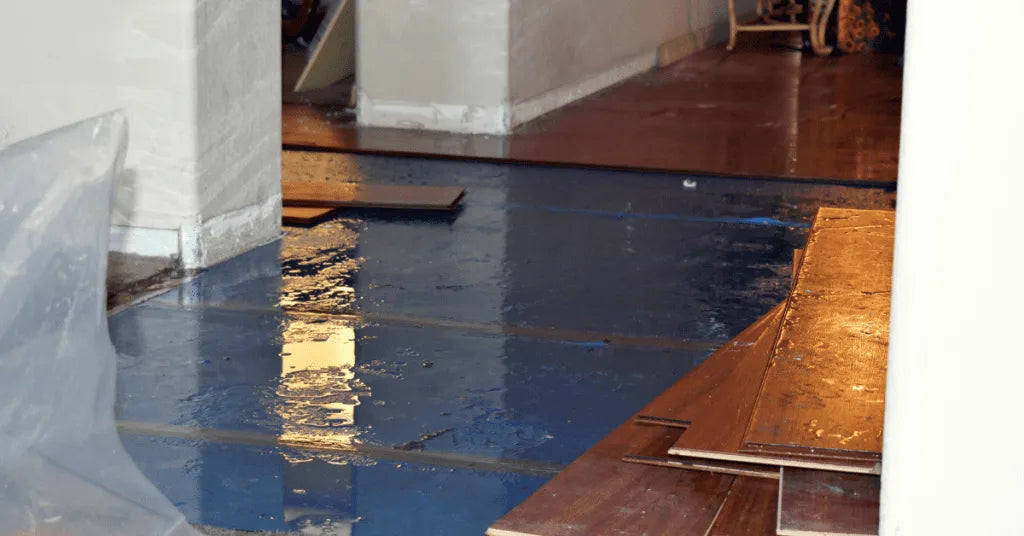
Water intrusion is one of the most significant threats to the integrity and safety of any residential property. While a minor leak or occasional flooding may seem manageable at first, the long term effects of water damage can be severe, costly, and sometimes irreversible. Over time, persistent moisture can compromise your home's foundation, weaken structural components, and create an environment ripe for mold and other hazards.
Understanding how water damage progresses and what it means for your home's structure is crucial for every homeowner. Early detection and prompt action can help prevent extensive repairs and protect your investment. For those looking to take proactive steps, reviewing a comprehensive water damage restoration checklist can be a valuable resource before problems escalate.
How Water Damage Progresses Over Time
The impact of water on a home's structure is not always immediate. In many cases, the real issues develop gradually, often going unnoticed until significant harm has occurred. The long term effects of water damage typically begin with subtle signs—such as discoloration, musty odors, or warped surfaces—and can evolve into major structural problems if left unaddressed.
Water can enter a home through various sources: roof leaks, plumbing failures, foundation cracks, or even high humidity. Once inside, moisture seeps into porous building materials, causing them to deteriorate. Over weeks or months, this persistent exposure weakens wood, corrodes metal, and erodes concrete, setting the stage for more serious complications.
Structural Weakening and Foundation Issues
One of the most serious consequences of ongoing moisture exposure is the gradual weakening of your home's structural framework. Wooden beams, joists, and studs are especially vulnerable. When saturated, wood loses its strength and can rot, leading to sagging floors, warped walls, and even the risk of collapse in extreme cases.
Concrete foundations are not immune either. Water can penetrate cracks and joints, causing expansion and contraction cycles that eventually widen gaps and destabilize the base of your home. Over time, this can result in uneven settling, visible cracks in walls or floors, and doors or windows that no longer close properly.
If you notice any of these warning signs, it's essential to act quickly. Consulting professionals who understand water damage restoration industry standards can help ensure repairs are done correctly and prevent further deterioration.
Hidden Hazards: Mold, Mildew, and Air Quality Concerns
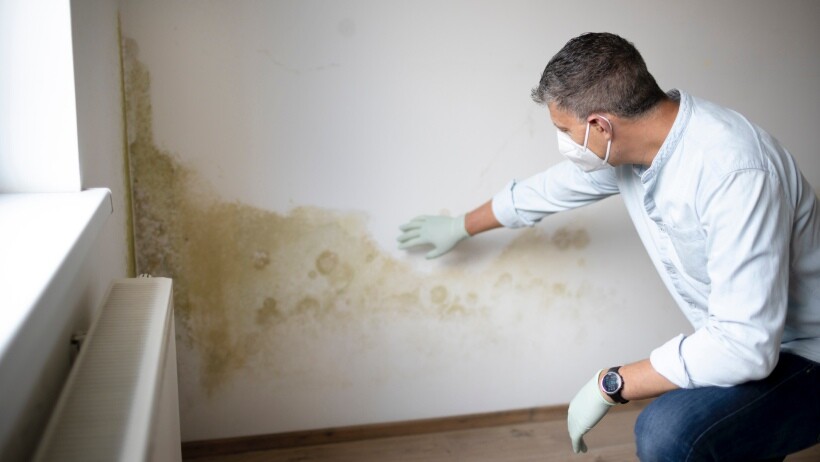
Beyond visible structural damage, lingering moisture creates ideal conditions for mold and mildew growth. These fungi thrive in damp, dark environments—often behind walls, under flooring, or in attics and basements. Mold not only damages building materials but also poses significant health risks, especially for individuals with allergies, asthma, or weakened immune systems.
Mold spores can quickly spread throughout a home, contaminating air ducts and reducing indoor air quality. Prolonged exposure may lead to respiratory issues, skin irritation, and other health problems. Addressing the root cause of moisture and thoroughly remediating affected areas is critical to safeguarding both your property and your family's well-being.
Material Degradation and Cosmetic Damage
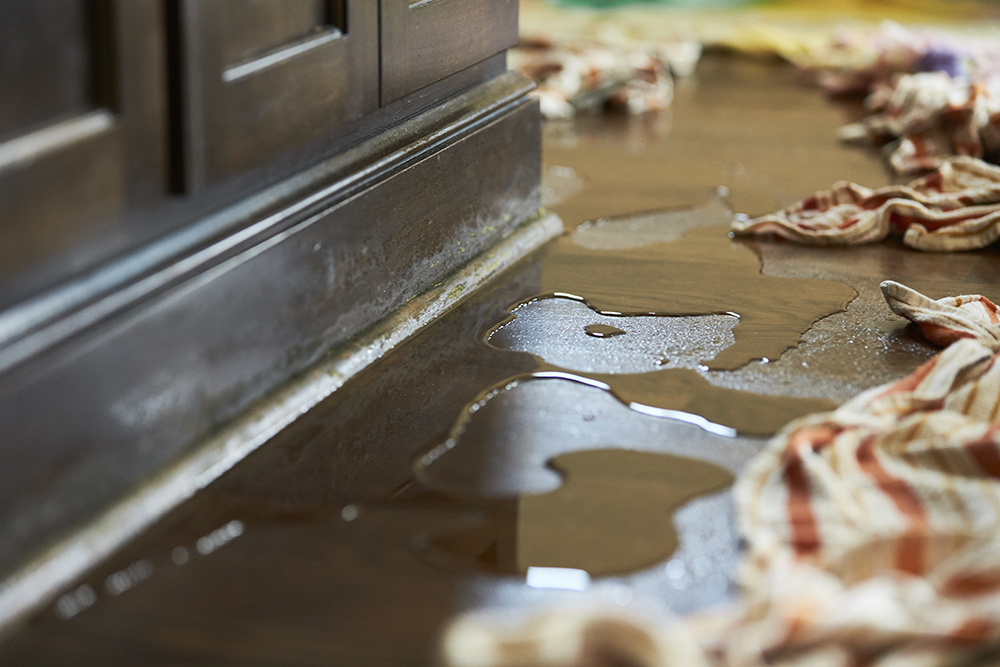
The long term effects of water damage extend beyond structural concerns. Persistent dampness can ruin drywall, insulation, flooring, and cabinetry. Paint may peel, wallpaper bubbles, and finishes lose their luster. Carpets and padding often harbor moisture, leading to unpleasant odors and potential mold outbreaks.
Metal components, such as nails, screws, and brackets, are susceptible to rust and corrosion. This further compromises the integrity of load-bearing elements and can make repairs more complex and expensive. Even if the damage appears minor at first glance, the cumulative effect over time can necessitate extensive renovations.
Electrical and Mechanical System Risks
Water and electricity are a dangerous combination. Moisture intrusion can affect wiring, outlets, and electrical panels, increasing the risk of shorts, power outages, or even fires. Appliances and HVAC systems exposed to water may malfunction or fail prematurely, resulting in costly replacements.
Routine inspections and prompt repairs are essential to minimize these risks. If you suspect water has reached electrical systems, always consult a licensed electrician before attempting any DIY fixes.
Financial and Insurance Implications
The financial burden of repairing the long term effects of water damage can be substantial. Insurance coverage may not always extend to gradual or neglected issues, leaving homeowners responsible for significant out-of-pocket expenses. Preventative maintenance and timely intervention are the best ways to protect both your property and your finances.
For more insights on common misconceptions and best practices, reviewing water damage myths and facts can help you make informed decisions about prevention and restoration.
Prevention and Early Detection Strategies
Proactive measures are the most effective way to avoid the costly consequences of water intrusion. Regularly inspect your roof, gutters, plumbing, and foundation for signs of leaks or deterioration. Install sump pumps, dehumidifiers, and moisture barriers in vulnerable areas. Address any issues immediately to prevent escalation.
When hiring contractors for repairs or restoration, ask the right questions to ask water damage contractors to ensure you're working with experienced professionals who follow industry best practices.
Recognizing Signs of Ongoing Water Damage
Identifying the early indicators of persistent moisture can save you from more severe problems down the line. Common warning signs include:
- Stains or discoloration on walls and ceilings
- Warped or buckling floors
- Musty or damp odors
- Visible mold growth
- Peeling paint or wallpaper
- Cracks in the foundation or masonry
If you observe any of these symptoms, it's important to investigate further and address the source of moisture promptly. For a visual reference of what to look for, see this guide on identifying water damage in homes.
Frequently Asked Questions
What are the most common long-term consequences of water damage in homes?
The most frequent outcomes include weakened structural elements, foundation problems, mold growth, material degradation, and electrical hazards. Over time, these issues can compromise the safety, comfort, and value of your property.
How quickly can water damage affect a home's structure?
While some effects, like staining or odors, may appear within days, more serious structural weakening and mold growth can develop over weeks or months. The longer moisture is present, the greater the risk of extensive and costly damage.
Can long-term water damage be prevented?
Yes, with regular inspections, prompt repairs, and proper maintenance, you can significantly reduce the risk. Addressing leaks, improving drainage, and using moisture barriers are all effective strategies for prevention.
Is it safe to stay in a home with ongoing water damage?
Prolonged exposure to mold, mildew, and compromised structures can pose health and safety risks. It's best to consult professionals for assessment and remediation if you suspect significant or hidden damage.
Understanding the long term effects of water damage is essential for every homeowner. By staying vigilant and taking preventive action, you can protect your home's structure, maintain its value, and ensure a safe living environment for years to come.