
Water Damage Myths and Facts: What You Need to Know
· Ethan Williams
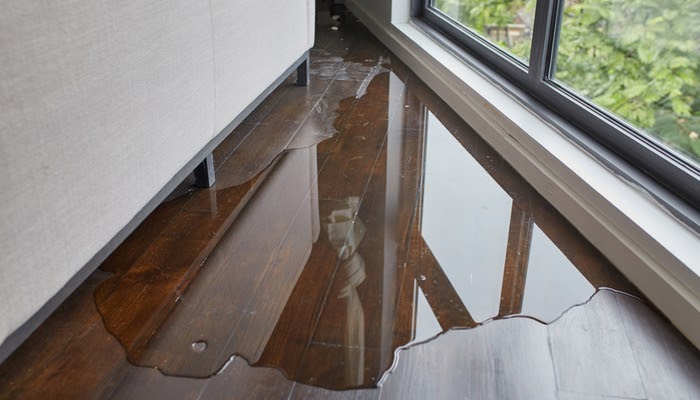
When it comes to protecting your property, understanding the difference between water damage myths and facts is essential. Misinformation can lead to costly mistakes, delayed action, and even further harm to your home or business. Many people believe that water damage is only a problem during floods or heavy storms, but the reality is that it can occur from a variety of sources, including plumbing leaks, appliance failures, and even condensation.
Acting quickly and knowing what’s true can make all the difference in minimizing the impact of water-related incidents. In this article, we’ll break down some of the most common misconceptions, highlight the real risks, and provide practical advice for prevention and recovery. If you want to dive deeper into industry best practices, you can also explore water damage restoration industry standards for more technical insights.
Common Misconceptions About Water Damage
There are several persistent beliefs about water intrusion and its effects. Let’s address some of the most widespread water damage myths and facts to help you separate truth from fiction.
-
Myth: Only floods cause serious water damage.
Fact: Even small leaks from pipes, roofs, or appliances can lead to significant structural problems and mold growth if not addressed promptly. -
Myth: It’s safe to wait before starting cleanup.
Fact: Delaying action allows water to seep deeper into materials, increasing the risk of permanent damage and higher restoration costs. -
Myth: Once surfaces look dry, the problem is solved.
Fact: Moisture can remain hidden behind walls, under floors, or inside insulation, leading to ongoing deterioration and health risks. -
Myth: All water damage is covered by insurance.
Fact: Coverage varies widely. Many standard policies exclude gradual leaks or certain types of water intrusion, so it’s important to review your policy details.
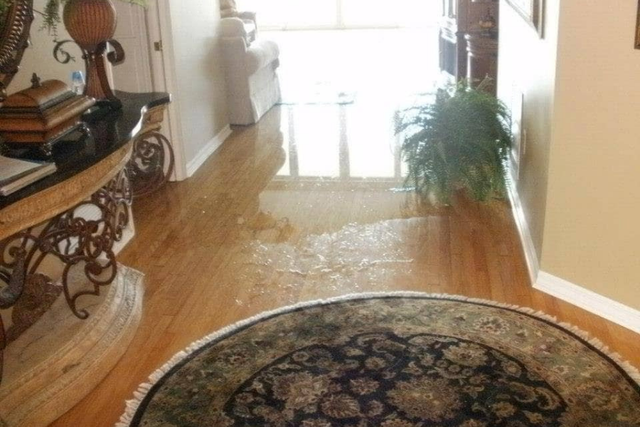
Understanding the Real Risks of Water Intrusion
The consequences of water entering your property go far beyond cosmetic issues. Here are some facts that highlight why prompt attention is crucial:
- Structural Damage: Water can weaken wood, drywall, and concrete, compromising the integrity of floors, walls, and foundations.
- Mold Growth: Mold can start developing within 24–48 hours in damp environments, posing health risks and requiring specialized remediation.
- Electrical Hazards: Water and electricity are a dangerous combination. Wet wiring or outlets can cause short circuits, fires, or electric shocks.
- Hidden Moisture: Even after visible water is removed, moisture can linger in materials, leading to ongoing issues if not properly dried.
For a deeper look at how professionals detect moisture that isn’t visible to the naked eye, consider reading about thermal imaging for water damage detection.
Debunking More Myths: Cleanup and Restoration
Proper recovery from water incidents involves more than just mopping up or using a household fan. Let’s clarify some additional misunderstandings:
-
Myth: Bleach kills all mold after water damage.
Fact: Bleach may remove surface stains but often fails to eliminate mold roots in porous materials. Professional remediation is usually necessary. -
Myth: DIY drying is enough for most situations.
Fact: Home equipment rarely achieves the thorough drying needed to prevent long-term problems. Specialized tools and techniques, such as those described in advanced drying techniques for water damage, are often required. -
Myth: Water damage restoration is only about removing water.
Fact: Effective restoration includes moisture detection, structural repairs, mold prevention, and sometimes even reconstruction.
Prevention and Early Detection: Facts That Matter
Taking proactive steps is the best way to avoid costly repairs and health hazards. Here are some practical facts and tips:
- Regular Inspections: Check plumbing, appliances, roofs, and basements for signs of leaks or moisture buildup.
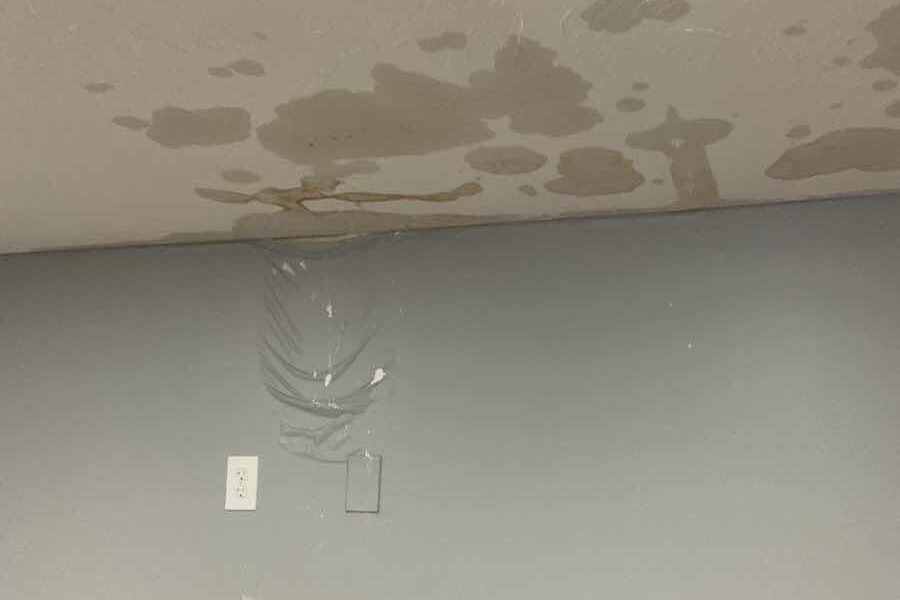
- Know the Signs: Musty odors, discoloration, warped flooring, or peeling paint can indicate hidden water issues. For more on spotting trouble early, see this guide to detecting hidden water damage.
- Immediate Response: Address leaks or spills right away to prevent escalation. The sooner you act, the better your chances of minimizing harm.
- Emergency Planning: Have a plan in place for what to do if water intrusion occurs. For homeowners, emergency preparedness for water damage can be a valuable resource.
Frequently Asked Questions
How quickly should I respond to water leaks or flooding?
It’s best to act immediately. Water can cause significant damage within hours, and mold can begin to grow in as little as 24–48 hours. Quick action helps limit structural harm and reduces restoration costs.
Is it safe to handle water damage cleanup myself?
Small spills can often be managed with household tools, but larger incidents or contaminated water require professional help. DIY methods rarely address hidden moisture, and improper cleanup can lead to mold or further damage.
Does insurance always cover water-related incidents?
Not all policies cover every type of water intrusion. Sudden events like burst pipes are often included, but gradual leaks or flooding may be excluded. Review your policy and consult your provider to understand your specific coverage.
What are the most common sources of water damage in homes?
Leaking pipes, faulty appliances, roof leaks, clogged gutters, and poor drainage are frequent culprits. Regular maintenance and inspections can help catch these issues before they escalate.
Key Takeaways on Water Damage Truths
Misinformation about water-related property issues can lead to costly errors and unnecessary risks. By understanding the facts about water damage, acting quickly, and seeking professional guidance when needed, you can protect your property and health. Regular inspections, prompt action, and awareness of your insurance coverage are your best defenses against unexpected water incidents.
For more insights into the latest trends and technologies in the field, you may also want to explore water damage restoration technology and how it’s shaping the future of property protection.