
Emergency Preparedness for Water Damage: A Homeowner Guide
· Ethan Williams

Water intrusion can disrupt daily life, damage property, and lead to costly repairs. Whether caused by severe weather, plumbing failures, or appliance leaks, water-related emergencies require quick action and a well-thought-out plan. Emergency preparedness for water damage is essential for every homeowner to minimize risks, protect belongings, and ensure safety during unexpected events.
This guide covers proactive steps to reduce the impact of water incidents, from creating a response plan to understanding insurance coverage. By preparing in advance, you can respond confidently and recover more efficiently if water damage occurs.
For homeowners who have already experienced flooding or want to learn more about recovery, our water damage after flooding events resource provides a detailed step-by-step approach to restoration and safety.
Understanding the Risks and Causes of Water Damage
To build an effective plan, it's important to recognize the most common sources of water intrusion. These include:
- Heavy rainfall, storms, or hurricanes
- Burst or leaking pipes
- Faulty appliances (washing machines, dishwashers, water heaters)
- Roof leaks or clogged gutters
- Sewer backups or sump pump failures
Each scenario presents unique challenges. For example, weather-related flooding often affects large areas and may require evacuation, while a pipe burst can cause rapid, localized damage. Knowing the risks specific to your home and region is the first step in emergency preparedness for water damage.
Creating a Water Damage Emergency Plan
Having a clear, actionable plan helps you respond quickly and safely. Consider these essential elements:
- Identify Shut-Off Points: Know where your main water shut-off valve is located and how to operate it. Label it clearly so anyone in the household can find it in an emergency.
- Emergency Contacts: Keep a list of important phone numbers, including your insurance provider, local emergency services, and a trusted water restoration company.
- Evacuation Routes: If you live in a flood-prone area, plan safe exit routes and designate a meeting point for your family.
- Document Valuables: Take photos or videos of your home and possessions for insurance purposes. Store these records digitally and in a waterproof location.
- Prepare an Emergency Kit: Include essentials such as bottled water, non-perishable food, flashlights, batteries, first aid supplies, and copies of important documents.
Proactive Steps for Reducing Water Damage Risks
Prevention is a key part of emergency preparedness for water damage. Regular maintenance and early detection can help you avoid major incidents. Here are practical steps to take:
- Inspect Plumbing and Appliances: Check pipes, hoses, and connections for leaks or corrosion. Replace worn parts promptly.
- Maintain Your Roof and Gutters: Clean gutters regularly and inspect your roof for missing shingles or damage.
- Install Water Detection Devices: Place sensors near water heaters, sump pumps, and appliances to alert you to leaks early.
- Seal Foundation Cracks: Repair any cracks in your foundation or basement walls to prevent seepage during heavy rain.
- Test Sump Pumps: Ensure your sump pump is working and has a backup power source if you live in an area prone to flooding.
For commercial property owners, additional resources on water damage in retail buildings and water damage in warehouses offer specialized guidance.
Immediate Actions to Take When Water Damage Occurs
If you discover water intrusion, acting quickly can reduce the extent of the damage and protect your health. Follow these steps:
- Ensure Safety First: If water is near electrical outlets or appliances, turn off power to affected areas if safe to do so.
- Stop the Source: Shut off the main water valve or stop the appliance causing the leak.
- Protect Belongings: Move valuables, electronics, and important documents to a dry area.
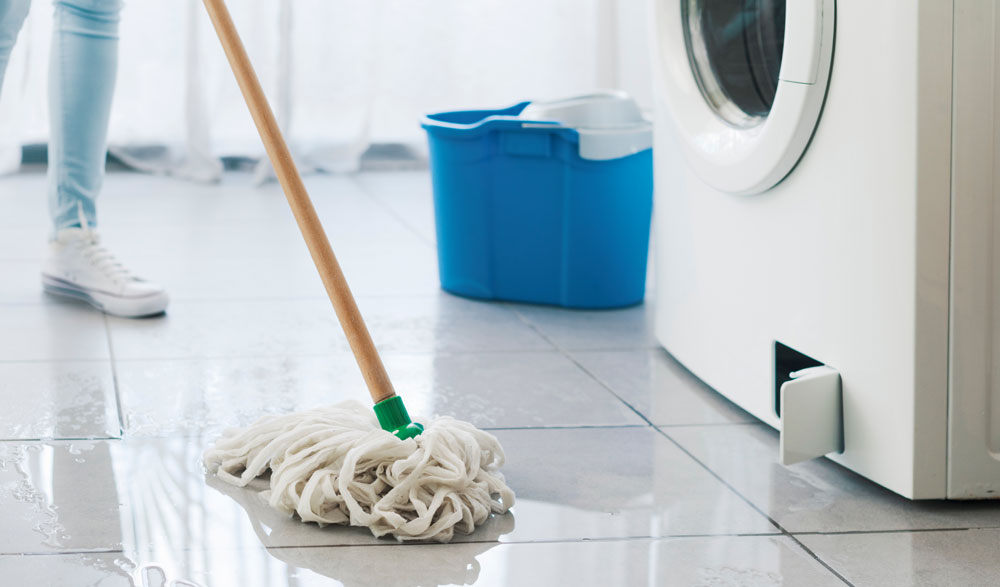
- Remove Standing Water: Use mops, towels, or a wet/dry vacuum to remove as much water as possible.
- Ventilate and Dry: Open windows and use fans or dehumidifiers to speed up drying and prevent mold growth.
- Document the Damage: Take photos and notes for your insurance claim.
- Contact Professionals: Reach out to a water restoration company for assessment and remediation, especially if the damage is extensive.
For more information on recognizing the warning signs of water issues, consult this comprehensive guide to water damage signs.
Understanding Insurance and Documentation
Insurance coverage can make a significant difference in your recovery process. Review your homeowner’s policy to understand what types of water damage are covered, such as burst pipes or storm-related flooding. Some policies exclude certain events, so consider supplemental flood insurance if you live in a high-risk area.
Keep detailed records of your property and possessions, including receipts, appraisals, and photographs. After an incident, document all damage before starting cleanup or repairs. Promptly notify your insurer and follow their instructions for filing a claim.
If you’re dealing with storm or hurricane aftermath, our article on how to handle water damage after hurricanes provides targeted advice for these scenarios.
Long-Term Recovery and Mold Prevention
After the immediate crisis, focus on thorough drying and restoration to prevent secondary issues like mold growth. Mold can develop within 24-48 hours of water exposure, posing health risks and complicating repairs. Steps to take include:
- Continue ventilating and dehumidifying affected areas
- Dispose of porous materials (carpet, insulation, drywall) that cannot be fully dried
- Clean and disinfect all surfaces
- Monitor for musty odors or visible mold and consult professionals if needed
Professional remediation may be necessary for extensive contamination. Early action and ongoing vigilance are crucial to a safe and successful recovery.
Frequently Asked Questions
What should I include in a water damage emergency kit?
Your kit should contain bottled water, non-perishable food, flashlights, batteries, a first aid kit, copies of important documents, and basic tools. Consider adding a battery-powered radio, extra clothing, and personal hygiene items.
How can I tell if my home is at risk for water damage?
Homes in flood-prone areas, with older plumbing, or with poor drainage are at higher risk. Regularly inspect your property for leaks, cracks, and signs of moisture. Local flood maps and risk assessments can help you understand your exposure.
When should I call a professional for water damage cleanup?
If the affected area is large, water is contaminated (such as from sewage), or you notice mold growth, contact a certified restoration company. Professionals have the equipment and expertise to ensure thorough drying and safe remediation.