
How to Handle Water Damage After Hurricanes & Storms
· Ethan Williams

Severe weather events like hurricanes and major storms can leave behind significant destruction, with water damage after hurricanes being one of the most common and costly issues for property owners. Whether you’re dealing with minor leaks or extensive flooding, knowing how to respond quickly and effectively is crucial to minimizing long-term damage and health risks. This guide provides practical steps to assess, mitigate, and recover from storm-related water intrusion, helping you protect your home or business and restore safety as soon as possible.
For those managing commercial spaces, understanding water damage restoration for offices can be especially important to ensure business continuity and employee safety. Acting swiftly and methodically after a storm can make a significant difference in both the extent of the damage and the speed of recovery.
Recognizing the Signs of Storm-Related Water Damage
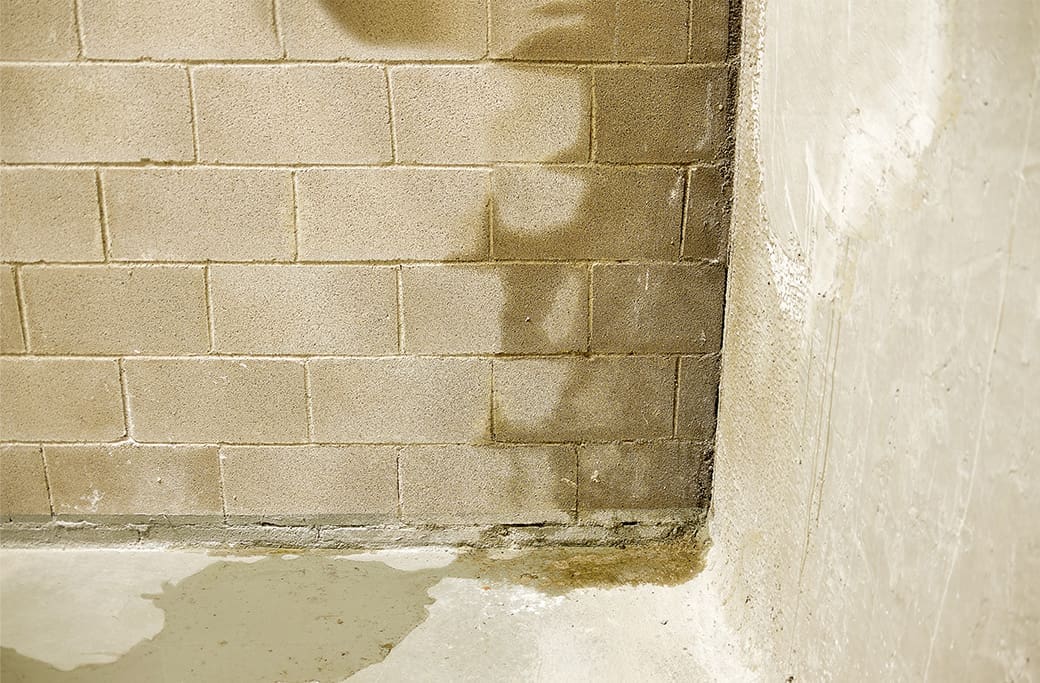
After a hurricane or severe storm, it’s important to inspect your property for both obvious and hidden signs of water intrusion. Early detection can help you address problems before they escalate. Common indicators include:
- Visible water pooling or damp spots on floors and walls
- Peeling paint, bubbling wallpaper, or warped wood
- Musty odors, which often signal mold growth
- Stains or discoloration on ceilings and drywall
- Unexplained increases in humidity indoors
Some forms of damage may not be immediately apparent. For tips on identifying less visible issues, check out this guide to detecting hidden water damage signs.
Immediate Steps to Take After Water Intrusion
When you discover water damage after hurricanes or storms, your first priority should be safety. Follow these steps to protect yourself and your property:
- Ensure safety first: Turn off electricity in affected areas if safe to do so. Avoid standing water where electrical hazards may exist.
- Document the damage: Take photos and videos of all affected areas and belongings for insurance purposes. Detailed records will help with claims and restoration planning.
- Stop further water entry: If possible, identify and address the source of water intrusion, such as broken windows, roof leaks, or damaged doors.
- Remove standing water: Use pumps, wet/dry vacuums, or towels to clear as much water as possible. The faster you remove water, the less chance there is for mold and structural issues to develop.
- Ventilate and dry: Open windows and doors, and use fans or dehumidifiers to speed up drying. Proper ventilation is key to preventing mold growth.
Assessing the Extent of Property Damage
Once immediate hazards are addressed, conduct a thorough inspection to determine the scope of the problem. Pay special attention to:
- Structural elements: Check foundations, walls, and support beams for warping, cracks, or erosion.
- Ceilings and attics: Look for water stains, sagging, or soft spots that may indicate hidden leaks.
- Basements and crawl spaces: These areas are especially vulnerable to flooding and mold. Inspect for standing water, dampness, and musty smells.
- Electrical and HVAC systems: If these systems have been exposed to water, have them inspected by professionals before use.

Mitigating Mold and Secondary Damage
One of the biggest risks after storm-related flooding is mold growth. Mold can begin to develop within 24–48 hours in damp environments, posing health risks and further damaging property. To minimize this risk:
- Continue drying out affected areas thoroughly.
- Remove and discard porous materials like carpets, insulation, and drywall that cannot be fully dried.
- Clean hard surfaces with disinfectants to prevent bacteria and mold spores from spreading.
- Monitor for new signs of mold, such as spots on walls or a persistent musty odor.
If you suspect extensive mold contamination, it’s best to consult with certified remediation professionals who can safely address the problem.
Restoration and Repair Options
After the initial cleanup, you’ll need to decide which items and structures can be salvaged and which require replacement. Restoration may involve:
- Drying and cleaning salvageable furniture and belongings
- Replacing damaged drywall, flooring, and insulation
- Repairing or replacing electrical and HVAC systems
- Repainting and refinishing affected surfaces
For business owners, understanding water damage in commercial properties is essential for effective recovery and future risk reduction. Homeowners should also review their insurance policies to understand what types of storm damage are covered and how to file claims efficiently.
Preventing Future Water Damage After Hurricanes
While it’s impossible to control the weather, there are proactive steps you can take to reduce the risk and impact of future storms:
- Install sump pumps and backflow valves in basements
- Regularly inspect and maintain roofs, gutters, and downspouts
- Seal windows, doors, and foundation cracks to prevent water entry
- Elevate electrical systems and appliances above potential flood levels
- Develop an emergency plan and keep important documents in waterproof containers
Staying prepared and addressing vulnerabilities before hurricane season can help protect your property and reduce recovery time after a major storm.
Understanding Legal and Insurance Responsibilities
After a major weather event, questions often arise about who is responsible for repairs and what insurance will cover. If you’re a landlord or tenant, it’s important to know your rights and obligations. For more information, see these resources:
Understanding your policy details and legal responsibilities can help you avoid disputes and ensure a smoother recovery process.
FAQ: Water Damage After Hurricanes & Storms
How soon should I start cleanup after a hurricane or storm?
Begin cleanup as soon as it is safe to do so. The faster you remove water and start drying out affected areas, the lower the risk of mold growth and structural damage. Always prioritize safety and document all damage for insurance purposes.
What are the health risks associated with storm-related water damage?
Standing water and damp materials can lead to mold growth, which may cause respiratory problems, allergic reactions, and other health issues. Floodwaters can also carry bacteria and contaminants, so it’s important to wear protective gear and use disinfectants during cleanup.
Can I handle water damage repairs myself, or should I hire professionals?
Minor water issues can sometimes be managed by property owners, but extensive flooding, mold, or damage to electrical and structural systems should be handled by licensed professionals. They have the expertise and equipment to ensure safe and thorough restoration.