
Water Damage Landlord Responsibilities: Law & Repairs
· Ethan Williams
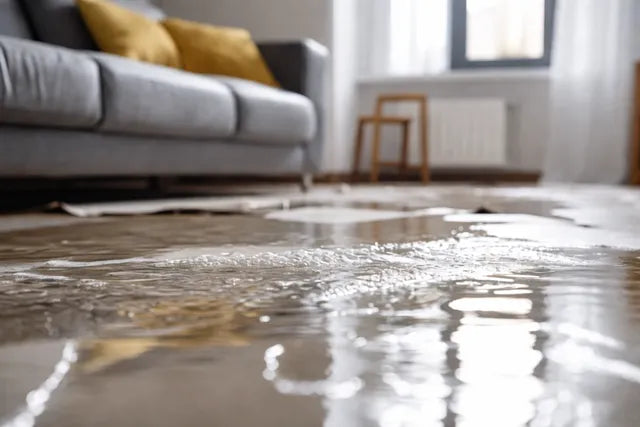
Water damage landlord responsibilities are a critical concern for both property owners and tenants. Understanding who is responsible for repairs, how the law applies, and what steps to take after water-related incidents can prevent disputes and costly mistakes. Whether the issue is a burst pipe, leaking roof, or flooding from severe weather, knowing your obligations as a landlord—or your rights as a tenant—ensures properties remain safe and habitable.
This article covers the legal framework, typical repair duties, and practical steps for handling water damage in rental properties. We’ll also discuss how to prevent future issues and what to do when insurance or third parties are involved. For those managing commercial spaces, you may also find value in our guide on water damage restoration for offices, which addresses unique challenges in non-residential settings.
Legal Duties for Landlords When Water Damage Occurs
Most jurisdictions require landlords to provide a rental property that is safe, structurally sound, and fit for habitation. This includes addressing water-related issues promptly. Laws vary by state and country, but the following general principles apply:
- Habitability Standards: Landlords must maintain plumbing, roofing, and structural elements to prevent leaks and flooding. If water damage makes a property unsafe (such as mold growth or electrical hazards), prompt repairs are required.
- Implied Warranty of Habitability: In many places, this legal doctrine means landlords cannot rent out properties with unresolved water damage that affects living conditions.
- Notice Requirements: Tenants are typically required to notify landlords of water damage as soon as possible. Once notified, landlords must act within a reasonable timeframe to fix the problem.
Failure to meet these obligations can result in legal action, rent withholding, or even government intervention. For commercial properties, the rules may differ, so review local statutes or consult a legal expert if you manage non-residential buildings.
Common Causes of Water Damage in Rental Properties
Understanding the sources of water problems helps landlords prevent and address them efficiently. The most frequent causes include:
- Burst or leaking pipes due to aging infrastructure or freezing temperatures
- Roof leaks caused by damaged shingles, flashing, or gutters
- Faulty appliances such as washing machines, dishwashers, or water heaters
- Clogged drains and sewer backups
- Natural disasters like heavy rain, flooding, or hurricanes
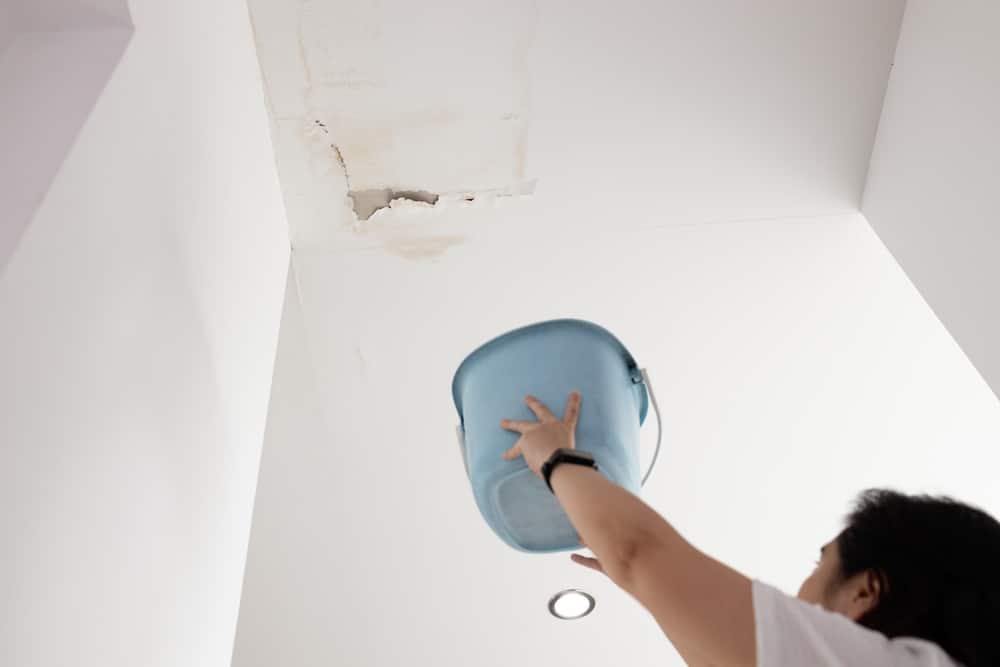
Regular inspections and preventive maintenance can reduce the risk of these issues. For example, following a home maintenance checklist for water damage prevention can help landlords identify vulnerabilities before they become major problems.
Who Pays for Repairs? Navigating Landlord and Tenant Responsibilities
Responsibility for fixing water damage depends on the cause and the terms of the lease agreement. Here’s a breakdown of typical scenarios:
| Cause of Damage | Responsible Party | Notes |
|---|---|---|
| Plumbing failure (not tenant’s fault) | Landlord | Must repair and restore property to habitable condition |
| Roof leaks | Landlord | Landlord must maintain roof and structure |
| Tenant-caused damage (e.g., overflowing bathtub) | Tenant | Tenant may be liable for repair costs |
| Natural disasters | Varies | Depends on lease terms and insurance coverage |
Landlords are generally responsible for repairs unless the tenant’s negligence caused the problem. However, tenants must report issues promptly and may be responsible for their own belongings damaged by water unless otherwise specified in the lease.
Steps Landlords Should Take After Water Damage
When a water incident occurs, landlords should act quickly to minimize damage and comply with legal duties. Here’s a practical approach:
- Respond to Tenant Notification: Acknowledge receipt of the report and schedule an inspection as soon as possible.
- Assess the Damage: Determine the source and extent of the water intrusion. Take photos and document everything for insurance and legal purposes.
- Arrange for Repairs: Hire licensed professionals to fix plumbing, roofing, or structural issues. Ensure all repairs meet local building codes.
- Mitigate Further Damage: Remove standing water, dry out affected areas, and address mold risks promptly.
- Communicate with Tenants: Keep tenants informed about repair timelines and any temporary relocations if necessary.
- File Insurance Claims: Notify your insurer and provide documentation. Encourage tenants to contact their renters’ insurance provider for personal property claims.
For more information on recognizing early warning signs, see this comprehensive guide to water damage indicators.
Insurance and Water Damage: What Landlords Need to Know
Insurance policies play a vital role in covering repair costs after water incidents. Here’s what landlords should keep in mind:
- Landlord Insurance: Typically covers structural repairs due to sudden and accidental water damage (e.g., burst pipes). Gradual leaks or neglect are often excluded.
- Tenant’s Insurance: Renters’ policies generally cover personal belongings but not the building itself.
- Flood Insurance: Standard policies may not cover flood damage from natural disasters. Separate flood insurance may be required in high-risk areas.
Review your policy details and encourage tenants to carry renters’ insurance. Document all repairs and communications in case of disputes or claims.
Preventing Water Damage in Rental Properties
Proactive maintenance is the best way to avoid costly repairs and legal headaches. Landlords should:
- Inspect roofs, gutters, and downspouts regularly
- Check plumbing for leaks or corrosion
- Ensure proper grading and drainage around the property
- Install water leak detectors in vulnerable areas
- Educate tenants on reporting issues promptly
In colder climates, winterizing pipes to prevent water damage can be especially important to prevent freezing and bursting.
Handling Disputes and Legal Issues
Disagreements over water damage can escalate quickly. To minimize conflict:
- Keep detailed records of all maintenance, inspections, and tenant communications
- Refer to the lease agreement for specific clauses about repairs and responsibilities
- Consult a legal professional if disputes cannot be resolved amicably
Clear communication and prompt action are the best ways to maintain a positive landlord-tenant relationship and avoid legal trouble.
FAQ: Landlord and Tenant Water Damage Questions
Who is responsible for mold after water damage in a rental?
Landlords are generally responsible for removing mold caused by structural issues or plumbing failures. If mold results from tenant negligence (such as failing to report leaks), the tenant may share responsibility. Prompt reporting and repairs are essential to prevent health risks and further property damage.
Can a tenant withhold rent if water damage is not repaired?
In many jurisdictions, tenants may have the right to withhold rent or make repairs and deduct the cost if landlords fail to address water damage that affects habitability. However, tenants must follow local laws and provide proper notice before taking such actions. Always consult the lease and local regulations before withholding rent.
Does landlord insurance cover tenant belongings damaged by water?
Landlord insurance typically covers the building and structural repairs, not tenant possessions. Tenants should carry renters’ insurance to protect their personal property from water-related losses.
What should a landlord do if a tenant causes water damage?
If a tenant’s actions (such as overflowing a bathtub) cause damage, the landlord should document the incident, arrange for repairs, and seek reimbursement from the tenant if allowed by the lease. Security deposits may be used to cover costs if appropriate.
Conclusion
Understanding water damage landlord responsibilities is essential for protecting property value, complying with the law, and maintaining positive tenant relationships. By staying informed about legal duties, acting quickly after incidents, and investing in preventive maintenance, landlords can minimize risks and ensure their rental properties remain safe and habitable. Tenants, in turn, should report issues promptly and understand their own obligations under the lease. For more strategies on managing water-related risks in larger buildings, see our article on water damage in commercial properties.