
Home Maintenance Checklist for Water Damage Prevention
· Ethan Williams
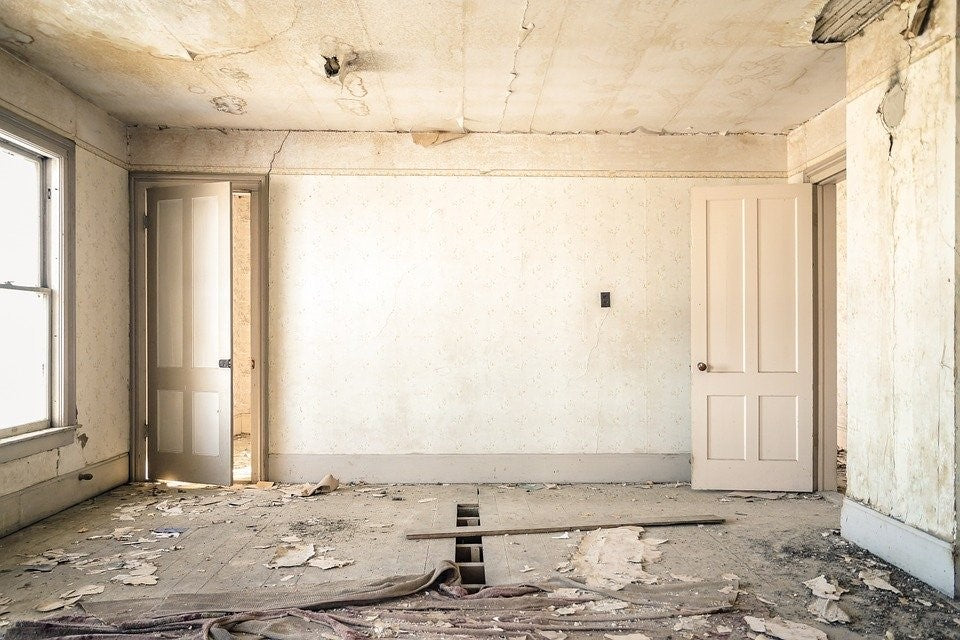
Water damage can be one of the most costly and disruptive issues a homeowner faces. From hidden leaks to sudden floods, moisture intrusion can weaken structures, ruin belongings, and lead to long-term problems like mold growth. Fortunately, a proactive approach to home care can significantly reduce these risks. Following a thorough home maintenance checklist for water damage prevention helps safeguard your property, maintain its value, and provide peace of mind year-round.
Routine inspections and timely repairs are essential for keeping water out and your home dry. This guide outlines the most important steps, from roof and gutter care to plumbing and basement checks. For more detailed advice on specific systems, you may also want to review our resource on pipe maintenance to avoid water damage, which covers plumbing tips in depth.
Why Preventative Maintenance Matters
Addressing water intrusion before it starts is far less expensive than dealing with repairs after the fact. Even minor leaks can cause significant structural damage over time, leading to rot, warped floors, and dangerous mold. Insurance claims for water-related incidents are among the most common, but many can be avoided with a solid home maintenance checklist for water damage prevention.
By regularly inspecting vulnerable areas and acting quickly when issues arise, you can extend the life of your home’s systems, avoid costly renovations, and keep your living environment healthy.
Roof and Attic: First Line of Defense
Your roof and attic are critical barriers against rain and snow. Small problems here can quickly escalate if left unchecked. To keep your home protected:
- Inspect the roof at least twice a year for missing, cracked, or curling shingles.
- Check flashing around chimneys, skylights, and vents for gaps or corrosion.
- Look inside the attic for signs of water stains, mold, or damp insulation.
- Ensure proper attic ventilation to prevent condensation buildup.
For more detailed guidance, see our article on roof maintenance to prevent water damage, which covers seasonal tips and expert advice.

Gutters and Downspouts: Directing Water Away
Clogged or damaged gutters are a leading cause of water intrusion around foundations and basements. To keep water flowing away from your home:
- Clean gutters and downspouts at least twice a year, especially after heavy leaf fall.
- Ensure downspouts extend at least 4-6 feet from the foundation.
- Check for sagging gutters or leaks at seams and joints.
- Install gutter guards if debris is a recurring problem.
For a more comprehensive approach, our gutter maintenance and water damage prevention checklist offers step-by-step instructions.
Plumbing System: Preventing Leaks and Bursts
Hidden leaks in pipes can cause extensive damage before you even notice a problem. Regular plumbing maintenance is a crucial part of any home maintenance checklist for water damage prevention:
- Inspect exposed pipes under sinks and in basements for corrosion, drips, or condensation.
- Check around toilets, tubs, and showers for soft spots or discoloration.
- Test shut-off valves to ensure they work in an emergency.
- Insulate pipes in unheated areas to prevent freezing and bursting in winter.
For more on keeping your plumbing in top shape, our earlier link on pipe maintenance to avoid water damage is a valuable resource.
Basement and Foundation: Keeping Moisture Out
Basements and crawl spaces are particularly vulnerable to seepage and flooding. To minimize risk:
- Inspect walls and floors for cracks or damp spots.
- Seal any gaps with appropriate waterproofing materials.
- Make sure landscaping slopes away from the foundation.
- Consider installing a sump pump and test it regularly. For tips, see our guide on sump pump maintenance tips.
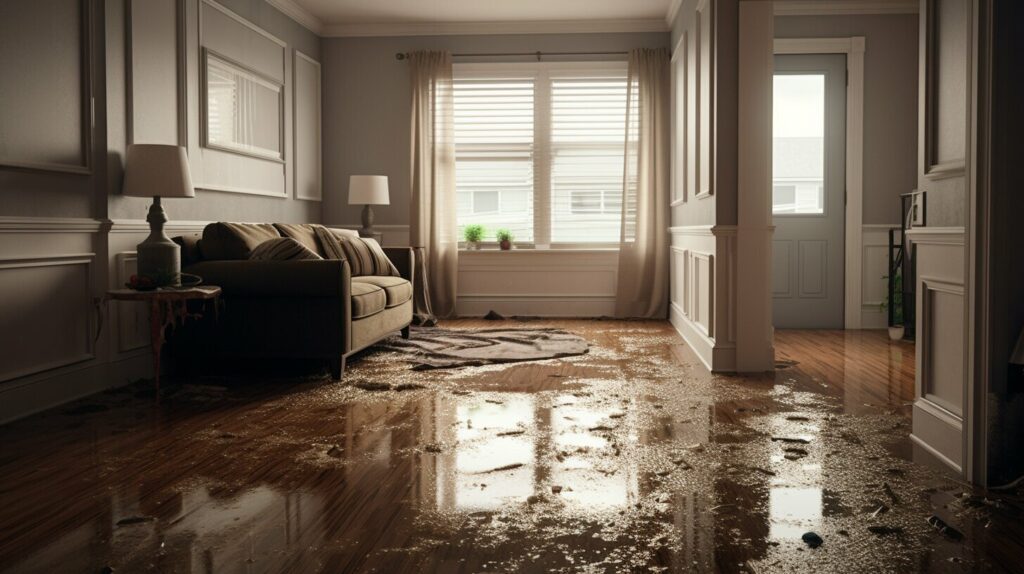
Appliances and Fixtures: Common Sources of Leaks
Household appliances and fixtures can be hidden culprits in water damage scenarios. Regularly check:
- Washing machine hoses for cracks or bulges; replace every 3-5 years.
- Dishwasher and refrigerator water lines for leaks or corrosion.
- Water heater for rust, moisture, or pooling water beneath the tank.
- Caulking around tubs, sinks, and showers for gaps or deterioration.
Outdoor Areas: Landscaping and Drainage Solutions
Proper drainage around your home is essential for keeping water away from the foundation. To optimize your outdoor maintenance routine:
- Ensure soil slopes away from the house to direct runoff.
- Check for pooling water after rainstorms and address low spots.
- Keep storm drains and yard drains clear of debris.
- Trim back trees and shrubs to prevent root intrusion into pipes.
If you need more advanced strategies, our article on drainage solutions for water damage prevention covers French drains, grading, and other options.
Recognizing Early Signs of Water Damage
Even with the best maintenance, it’s important to catch problems early. Watch for:
- Musty odors or persistent humidity indoors.
- Peeling paint or wallpaper, especially near windows and doors.
- Warped floors or baseboards.
- Visible mold or mildew on walls and ceilings.
For a deeper understanding of warning signs, see this guide to recognizing the signs of water damage.
Seasonal Maintenance Tips
Different times of year bring unique challenges. Incorporate these seasonal checks into your routine:
- Spring: Inspect for winter damage, clean gutters, check sump pump operation.
- Summer: Look for signs of condensation, inspect irrigation systems, monitor humidity levels.
- Fall: Remove leaves from gutters, check roof before winter storms, insulate pipes.
- Winter: Monitor for ice dams, keep attic ventilated, watch for frozen pipes.
Frequently Asked Questions
What are the most common causes of water damage in homes?
The most frequent causes include roof leaks, clogged gutters, burst pipes, faulty appliances, and poor drainage around the foundation. Regular inspections and maintenance can help address these risks before they lead to serious problems.
How often should I check my home for potential water issues?
It’s best to perform a thorough inspection at least twice a year, ideally in spring and fall. However, after severe weather events or if you notice any warning signs, check vulnerable areas immediately.
Can I prevent all types of water damage with maintenance?
While regular upkeep dramatically reduces the risk, some events—like major storms or unexpected plumbing failures—can still occur. Having a solid maintenance routine, emergency plan, and proper insurance coverage offers the best protection.
Conclusion
Staying ahead of water damage requires diligence and a systematic approach. By following a comprehensive home maintenance checklist for water damage prevention, you can protect your investment, maintain a safe living environment, and avoid the stress of unexpected repairs. Make these checks a regular part of your home care routine and address any issues promptly for long-term peace of mind.