
Roof Maintenance to Prevent Water Damage: Expert Tips
· Ethan Williams
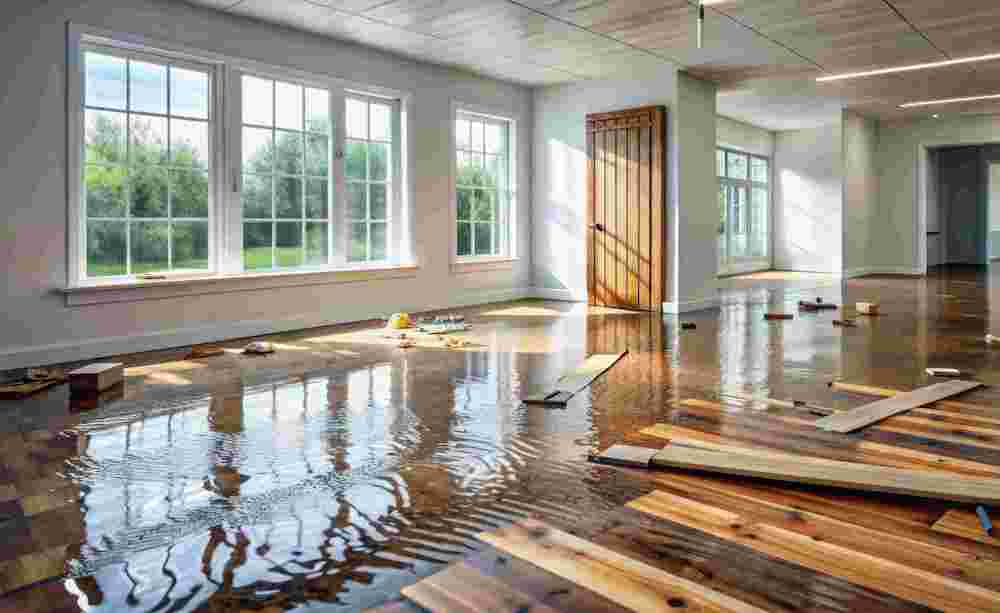
Keeping your roof in top condition is one of the most effective ways to protect your home from costly water damage. Regular upkeep not only extends the lifespan of your roofing materials but also helps you avoid leaks, mold growth, and structural issues that can arise from unchecked moisture. In this guide, you'll find practical advice and expert insights on how to maintain your roof and safeguard your property from water-related problems.
Before diving into the specifics, it's important to remember that roof care is just one part of a comprehensive approach to home protection. For a deeper look at related strategies, such as basement and foundation waterproofing, you might find our foundation waterproofing guide especially helpful.
Why Proactive Roof Care Matters for Water Protection
Many homeowners underestimate the importance of roof maintenance to prevent water damage until a leak or visible issue appears. However, by the time water stains show up on your ceiling or walls, the underlying problem may have already caused significant harm. Proactive attention to your roof can help you:
- Catch minor issues before they escalate into expensive repairs
- Preserve the structural integrity of your home
- Prevent mold, mildew, and rot caused by trapped moisture
- Maintain energy efficiency by ensuring insulation stays dry
Routine inspections and timely repairs are the foundation of effective water damage prevention. Even small cracks, missing shingles, or clogged gutters can allow water to seep in and wreak havoc over time.
Key Steps in Roof Maintenance to Prevent Water Damage
Developing a regular maintenance routine is essential for keeping your roof watertight. Here are the most important steps to include:
1. Inspect Your Roof Regularly
Conduct a visual inspection at least twice a year—ideally in the spring and fall. Look for:
- Missing, cracked, or curling shingles
- Damaged or rusted flashing around chimneys, vents, and skylights
- Accumulated debris, such as leaves or branches
- Signs of moss or algae growth
Use binoculars for a ground-level check, or hire a professional for a thorough assessment, especially if your roof is steep or difficult to access.
2. Keep Gutters and Downspouts Clear
Clogged gutters are a leading cause of water intrusion. When water can't flow freely off your roof, it can back up under shingles or overflow, damaging your siding and foundation. To prevent this:
- Clean gutters and downspouts at least twice a year, or more often if you have overhanging trees
- Check for sagging or loose sections and repair as needed
- Ensure downspouts direct water at least 3–4 feet away from your home's foundation
Installing gutter guards can reduce maintenance needs, but they still require periodic checks to ensure they aren't blocked by fine debris.
3. Address Roof Penetrations and Flashing
Areas where your roof is penetrated—such as chimneys, skylights, and vent pipes—are particularly vulnerable to leaks. Inspect the flashing (the metal or rubber seals around these features) for signs of rust, cracks, or separation. Promptly reseal or replace damaged flashing to maintain a watertight barrier.
4. Trim Overhanging Branches
Trees that hang over your roof can drop leaves, twigs, and even large branches during storms. This debris can trap moisture, accelerate shingle deterioration, and increase the risk of punctures. Keep branches trimmed back at least six feet from your roofline to minimize these risks.
5. Check Attic Ventilation and Insulation
Proper attic ventilation and insulation play a crucial role in preventing condensation and ice dams, both of which can lead to water damage. Make sure vents are unobstructed and that your attic insulation is dry and evenly distributed. Signs of moisture in the attic, such as damp insulation or mold, may indicate a roof leak or inadequate airflow.
Common Signs of Water Damage from Roof Issues
Early detection is key to minimizing the impact of leaks or moisture problems. Watch for these warning signs inside and outside your home:
- Water stains or discoloration on ceilings and walls
- Peeling paint or bubbling wallpaper
- Musty odors, especially in the attic or upper floors
- Visible mold or mildew growth
- Warped or sagging roof decking
If you notice any of these symptoms, it's important to act quickly. For a detailed overview of what to look for, visit this comprehensive guide to water damage warning signs.
Preventative Maintenance Tips for Different Roof Types
Different roofing materials require tailored care. Here are some specific tips for the most common types:
- Asphalt shingles: Replace missing or damaged shingles promptly. Remove moss with a gentle brush and avoid pressure washing, which can strip granules.
- Metal roofs: Check for rust spots and repaint as needed. Ensure fasteners are tight and replace any that are missing or loose.
- Tile roofs: Inspect for cracked or slipped tiles. Avoid walking directly on tiles to prevent breakage, and clear debris from valleys and gutters.
- Flat roofs: Look for ponding water, blisters, or cracks in the membrane. Ensure drains are clear and reseal seams as needed.
Regardless of material, scheduling a professional inspection every few years can help catch issues that might be missed during DIY checks.
Integrating Roof Maintenance with Overall Water Damage Prevention
While keeping your roof in good repair is critical, it's just one piece of the puzzle. Consider combining your efforts with other home protection strategies, such as:
- Regularly checking your basement for leaks and following basement waterproofing tips
- Maintaining proper grading around your home to direct water away from the foundation
- Inspecting and repairing exterior caulking and sealants
By taking a holistic approach, you can greatly reduce the risk of water-related damage throughout your property.
Frequently Asked Questions
How often should I inspect my roof for potential water damage?
It's recommended to inspect your roof at least twice a year, ideally in the spring and fall. Additional checks after severe storms or high winds can help catch damage early. If your roof is older or has a history of leaks, consider more frequent inspections.
What are the most common causes of roof leaks?
Leaks often result from missing or damaged shingles, deteriorated flashing, clogged gutters, and poor attic ventilation. Regular roof maintenance to prevent water damage can address these issues before they lead to significant problems.
Can I perform roof maintenance myself, or should I hire a professional?
Many basic maintenance tasks, such as cleaning gutters and visually inspecting your roof, can be done by homeowners. However, for steep roofs, complex repairs, or if you're unsure about what to look for, hiring a professional is the safest option. They have the expertise to spot hidden issues and perform repairs correctly.
Conclusion
Consistent attention to your roof is one of the best investments you can make in your home's longevity and safety. By following the expert tips outlined here, you can minimize the risk of leaks, mold, and costly repairs. Remember, combining roof care with other strategies—like those found in our guide to preventing basement water damage—will give your home the best protection against water intrusion. Stay proactive, address issues promptly, and your roof will continue to shield your home for years to come.