
Top Basement Waterproofing Tips to Keep Your Home Dry
· Ethan Williams
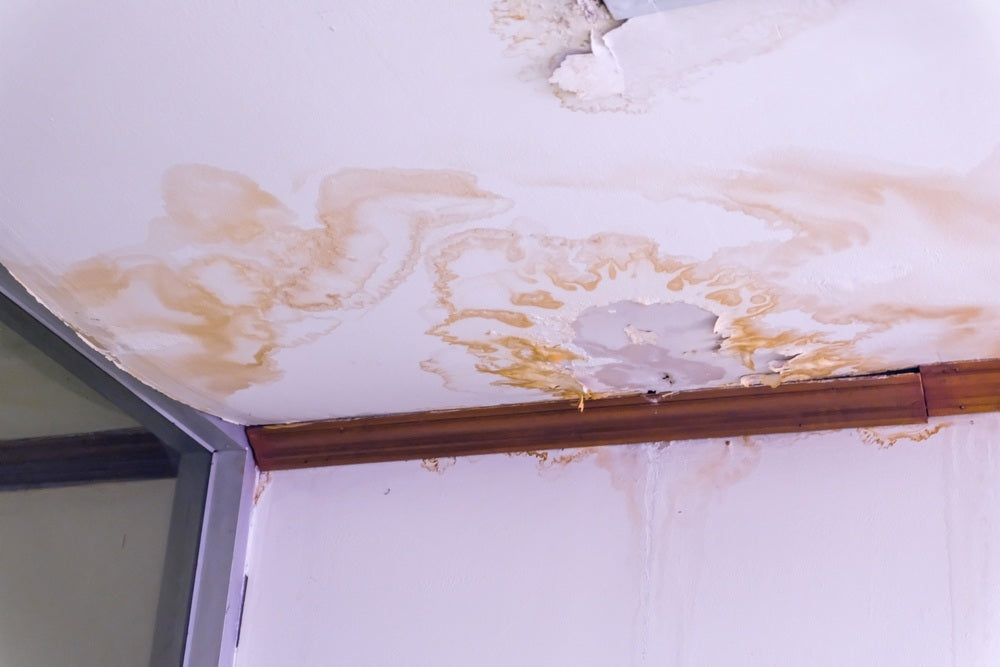
Keeping your basement dry is essential for protecting your home’s structure, maintaining indoor air quality, and preventing costly repairs. A damp or leaky basement can lead to mold growth, foundation issues, and damage to belongings. Whether you’re dealing with minor moisture or want to prevent future problems, understanding the most effective basement waterproofing tips can make a significant difference.
Before diving into practical solutions, it’s important to recognize that water intrusion can happen for many reasons—ranging from poor drainage to cracks in the foundation. Addressing these issues proactively will help you avoid headaches down the road. For a comprehensive approach, you may also find valuable advice in our guide on how to prevent basement water damage.
Understanding Why Basements Get Wet
To effectively keep your basement dry, it’s crucial to know what causes water problems in the first place. The most common sources of moisture include:
- Poor exterior drainage—when gutters and downspouts don’t direct water away from your foundation.
- Hydrostatic pressure—water in the soil pushes against basement walls, forcing moisture through cracks or porous concrete.
- Plumbing leaks—broken pipes or faulty appliances can introduce water directly into your basement.
- Condensation—high humidity levels inside the basement can cause water to collect on cool surfaces.
Learning about the common causes of water damage can help you identify potential risks and take action before problems escalate.
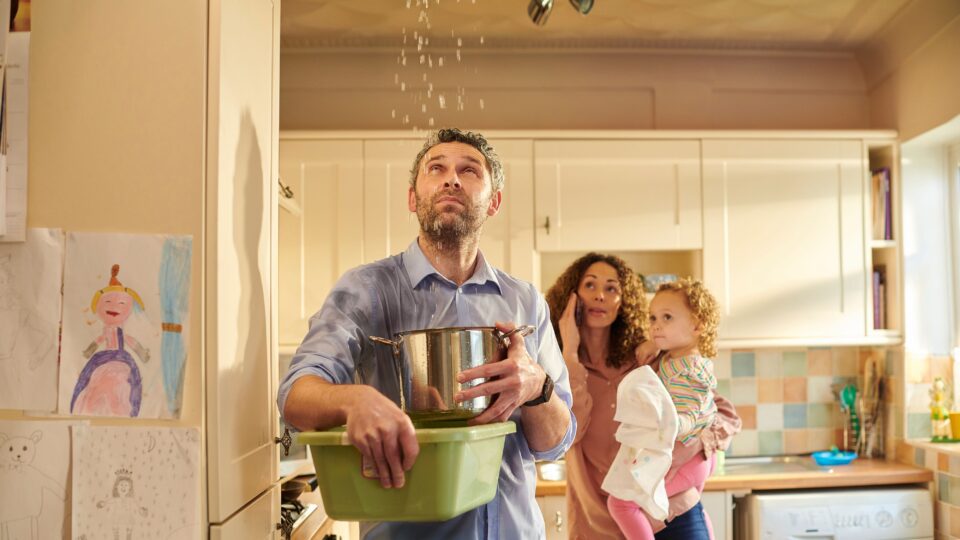
Essential Basement Waterproofing Tips for Homeowners
Implementing the right strategies can greatly reduce the risk of water intrusion. Here are some of the most effective ways to keep your basement dry and protected:
1. Maintain Gutters and Downspouts
One of the simplest yet most effective basement waterproofing tips is to keep gutters and downspouts clear of debris. Clogged gutters can cause water to overflow and pool around your foundation. Make sure downspouts extend at least 4–6 feet away from your home to direct water safely away.
2. Grade the Soil Away from Your Foundation
The ground surrounding your home should slope away from the foundation. This prevents water from collecting next to basement walls and seeping inside. If necessary, add soil to create a gentle slope of at least 6 inches over the first 10 feet.
3. Seal Foundation Cracks and Gaps
Inspect your basement walls and floors for any visible cracks or gaps. Use a high-quality masonry sealant or hydraulic cement to fill these areas. For larger cracks or ongoing leaks, consult a professional for more extensive repairs.
4. Install or Upgrade a Sump Pump
A sump pump is a critical line of defense against basement flooding. If you already have one, test it regularly to ensure it’s working. Consider installing a battery backup system to keep the pump running during power outages.
5. Apply Waterproof Coatings
Interior waterproofing paints or sealants can help block minor moisture from entering through basement walls. While these products won’t stop major leaks, they can provide an extra layer of protection against dampness and condensation.
6. Improve Interior Drainage
If your basement is prone to water accumulation, installing a French drain or interior drainage system can help channel water to your sump pump. This is especially useful in older homes or areas with high water tables.
7. Control Humidity and Condensation
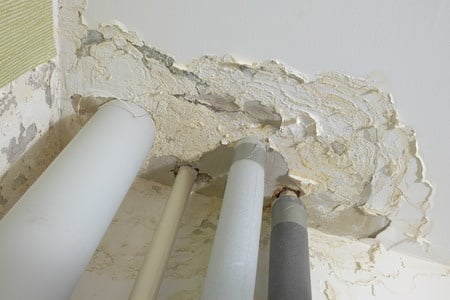
High humidity can lead to condensation on basement walls and pipes. Use a dehumidifier to keep indoor moisture levels below 60%. Insulate cold water pipes to prevent water droplets from forming and dripping onto floors.
Advanced Solutions for Persistent Water Issues
Sometimes, basic maintenance isn’t enough to solve chronic water problems. In these cases, more robust solutions may be necessary:
- Exterior waterproofing membranes—Applying a waterproof barrier to the outside of your foundation can help stop water before it enters.
- Drainage tiles or weeping tiles—These underground pipes collect and redirect groundwater away from your home.
- Window well covers—Installing covers over basement window wells can prevent rainwater from pooling and leaking inside.
- Professional inspection—If you’re unsure about the source of moisture, a waterproofing specialist can assess your basement and recommend targeted solutions.
For those dealing with water damage aftermath, you might also be interested in learning about repairing tile floors after water damage or other restoration best practices.
Common Mistakes to Avoid in Basement Waterproofing
While protecting your basement is crucial, some common errors can undermine your efforts:
- Ignoring minor leaks or damp spots—small issues can quickly become major problems if left untreated.
- Relying solely on interior sealants—these products are helpful but should be part of a broader moisture control plan.
- Neglecting regular maintenance—cleaning gutters, checking sump pumps, and inspecting for cracks should be ongoing tasks.
- Overlooking landscaping—plants and mulch too close to the foundation can trap moisture and direct it toward your home.
Frequently Asked Questions
How often should I inspect my basement for water issues?
It’s wise to check your basement at least twice a year—ideally in the spring and fall. Look for signs of dampness, mold, or new cracks. After heavy rains, do a quick inspection to catch any leaks early.
Can I waterproof my basement myself, or should I hire a professional?
Many basement waterproofing tips can be handled by homeowners, such as maintaining gutters or sealing small cracks. However, persistent leaks, foundation issues, or the need for exterior waterproofing usually require professional expertise.
What’s the best way to prevent mold growth in my basement?
Keep humidity levels low with a dehumidifier, promptly repair leaks, and ensure proper ventilation. Remove any wet materials or belongings quickly to prevent mold from taking hold.
Conclusion
Protecting your basement from water damage is a combination of routine maintenance, smart upgrades, and vigilance. By following these basement waterproofing tips, you can safeguard your home’s foundation, improve air quality, and avoid costly repairs. Remember, early intervention is key—addressing small issues now will help you maintain a dry, healthy basement for years to come.