
How to Prevent Basement Water Damage: Waterproofing Guide
· Ethan Williams

Basement water issues are a common headache for homeowners, often leading to expensive repairs, mold growth, and even structural problems if left unchecked. Understanding how to prevent basement water damage is essential for protecting your property and maintaining a healthy living environment. Whether you’re dealing with a finished or unfinished basement, taking proactive steps can save you time, money, and stress in the long run.
This article explores the most effective strategies to keep your basement dry, from identifying risk factors to implementing proven waterproofing solutions. You’ll also find practical advice on ongoing maintenance, early warning signs, and what to do if water damage does occur. For those already facing issues like warped floors or soggy carpets, you may want to learn more about repairing water damaged hardwood floors as part of your restoration efforts.
Why Basements Are Prone to Water Problems
Basements are naturally vulnerable to moisture for several reasons. They are located below ground level, where water from rain, melting snow, or high groundwater can easily seep through walls, floors, and foundation cracks. Poor drainage, aging construction, and inadequate waterproofing can make matters worse, increasing the risk of leaks and flooding.
Common sources of basement water intrusion include:
- Cracks in foundation walls or floors
- Poor exterior grading that directs water toward the house
- Clogged or broken gutters and downspouts
- Plumbing leaks or burst pipes
- Hydrostatic pressure from saturated soil
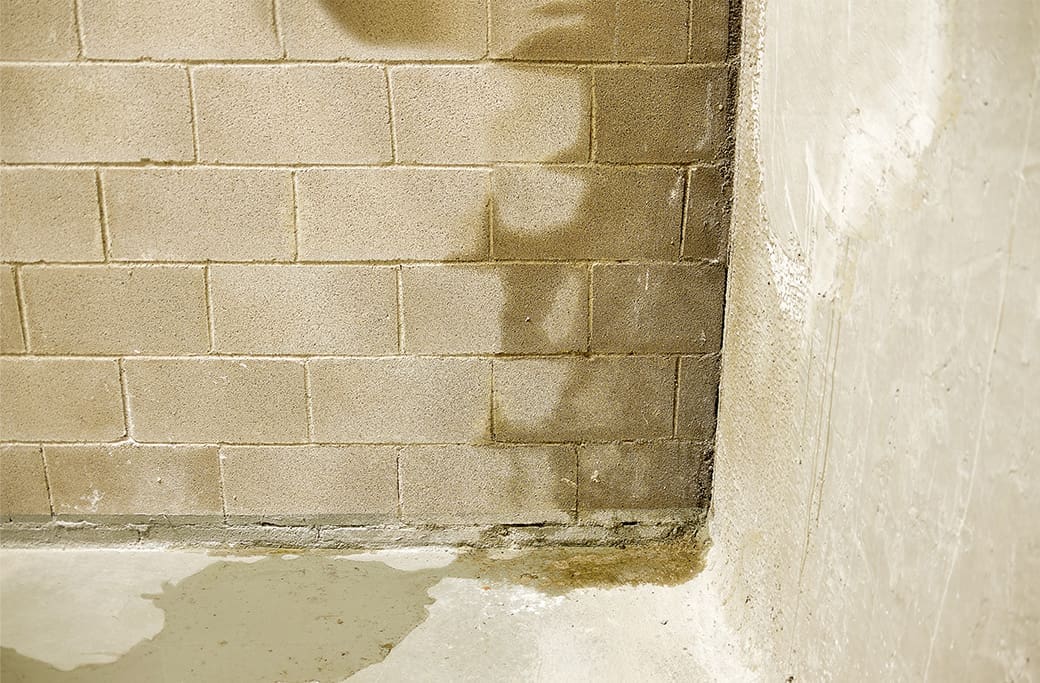
Early Signs of Basement Moisture Issues
Recognizing the warning signs of water problems early can help you address minor issues before they escalate. Look out for:
- Musty odors or persistent dampness
- Efflorescence (white, chalky residue) on walls
- Visible mold or mildew growth
- Peeling paint or wallpaper
- Warped wood, rusted metal, or soft drywall
- Standing water or puddles after rain
For more on identifying hidden problems, see this comprehensive guide to detecting hidden water damage.
Exterior Strategies to Stop Water Before It Enters
One of the most effective ways to prevent basement water damage is to manage water outside your home. Here are some crucial steps:
Maintain Gutters and Downspouts
Clean your gutters regularly to prevent clogs that can cause water to overflow and pool around your foundation. Downspouts should extend at least 6 feet away from the house to direct water safely away.
Improve Yard Grading
Ensure the soil around your home slopes away from the foundation. A minimum slope of 6 inches over the first 10 feet is recommended. This helps channel rainwater away instead of toward your basement walls.
Install Exterior Drainage Solutions
French drains, swales, or dry wells can be added to redirect water away from problem areas. These systems are especially helpful if your property is prone to heavy rainfall or sits on clay soil that drains poorly.
Seal Foundation Cracks
Inspect your foundation for visible cracks and seal them with hydraulic cement or a suitable masonry sealant. For larger or recurring cracks, consult a professional to assess structural integrity.

Interior Waterproofing Techniques for Lasting Protection
While exterior measures are your first line of defense, interior solutions can provide added security—especially in older homes or areas with high water tables.
Apply Waterproof Coatings
Specialized waterproof paints and sealers can be applied to basement walls and floors to create a moisture barrier. These products are best for minor dampness and should not be relied on for major leaks.
Install a Sump Pump System
A sump pump collects and removes water that accumulates in a pit beneath your basement floor. Choose a model with a battery backup to ensure operation during power outages. Regularly test and maintain your sump pump to avoid unexpected failures.
Use a Dehumidifier
Basements are naturally humid. Running a dehumidifier helps control moisture, reducing the risk of mold and mildew. Aim to keep humidity levels below 60%.
Interior Drainage Channels
If you experience frequent seepage, consider installing an interior drainage system along the perimeter of your basement. This system channels water to the sump pump before it can reach your living space.
Routine Maintenance to Prevent Future Water Damage
Consistent upkeep is key to keeping your basement dry. Here are some maintenance tips:
- Inspect basement walls and floors for new cracks or damp spots every few months
- Test your sump pump before rainy seasons
- Check for leaks around windows, doors, and plumbing fixtures
- Maintain landscaping to avoid roots damaging your foundation
- Replace weatherstripping and caulking as needed
Addressing small issues promptly can prevent larger, costlier problems down the road. If you do experience water damage, resources like repairing wood damage from water and repairing cabinets after water damage may help guide your restoration process.
What to Do If Water Damage Occurs
Despite your best efforts, water can sometimes find its way in. If you notice signs of moisture or flooding, act quickly:
- Remove standing water using a wet/dry vacuum or pump
- Dry the area thoroughly with fans and dehumidifiers
- Discard damaged materials like carpet, drywall, or insulation that cannot be dried
- Sanitize affected surfaces to prevent mold growth
- Consult professionals for extensive damage or if you suspect structural issues
For specific restoration advice, see tips on repairing water damaged carpet and repairing insulation after water damage.
Frequently Asked Questions
What is the most effective way to keep a basement dry?
The best approach combines both exterior and interior waterproofing methods. Start by managing water outside your home with proper grading, gutters, and drainage systems. Inside, use sump pumps, dehumidifiers, and waterproof coatings as needed.
How often should I inspect my basement for water issues?
It’s wise to check your basement at least once every season, and especially before and after heavy rains. Early detection allows you to address problems before they escalate.
Can I waterproof my basement myself, or should I hire a professional?
Many preventive steps, such as maintaining gutters or applying waterproof paint, can be done by homeowners. However, for significant foundation cracks, persistent leaks, or installing drainage systems, it’s best to consult a qualified waterproofing contractor.