
Repairing Wood Damage from Water: Restoration Best Practices
· Ethan Williams
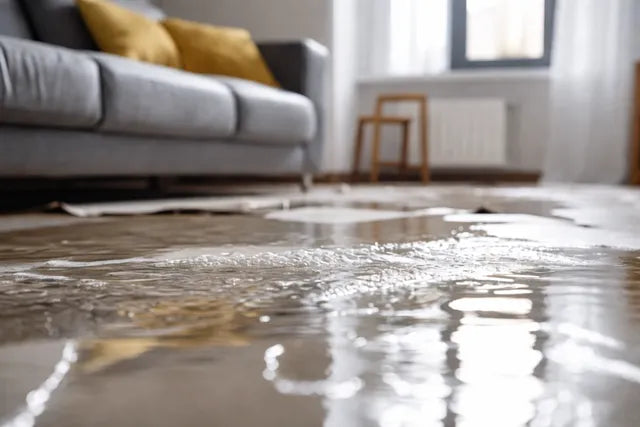
Water exposure can cause significant harm to wood surfaces in homes and businesses. Whether from a burst pipe, flooding, or a slow leak, moisture can lead to warping, staining, mold growth, and even structural issues if not addressed promptly. Understanding the correct approach to repairing wood damage from water is essential for preserving both the appearance and integrity of your property.
This guide covers the essential steps for restoring water-damaged wood, including assessment, drying, cleaning, and repairs. You'll also find tips for preventing future problems and learn when it's time to call in professionals. For those dealing with specific flooring concerns, our detailed resource on repairing water damaged hardwood floors offers targeted advice.
Recognizing Signs of Water-Damaged Wood
Early detection is crucial for minimizing the impact of moisture on wood. Common indicators of water damage include:
- Discoloration: Stains, dark spots, or fading on wood surfaces.
- Warping and Buckling: Boards may swell, twist, or lift away from their original position.
- Softness or Sponginess: Wood feels soft to the touch or gives under pressure.
- Mold and Mildew: Visible growth or musty odors, especially in hidden or damp areas.
- Cracking and Splitting: As wood dries unevenly, it may crack or split.
For a more detailed breakdown of warning signs, consider reviewing this comprehensive guide to water damage symptoms.
Initial Steps for Repairing Water-Damaged Wood
Acting quickly is the best way to limit damage and reduce restoration costs. Here’s what to do first:
- Stop the Source: Identify and halt the water intrusion, whether it’s a leak, spill, or flood.
- Remove Excess Water: Use towels, mops, or a wet/dry vacuum to eliminate standing water.
- Increase Airflow: Open windows and doors, and set up fans or dehumidifiers to speed up drying.
- Move Furniture: Relocate items away from the affected area to prevent further absorption and staining.
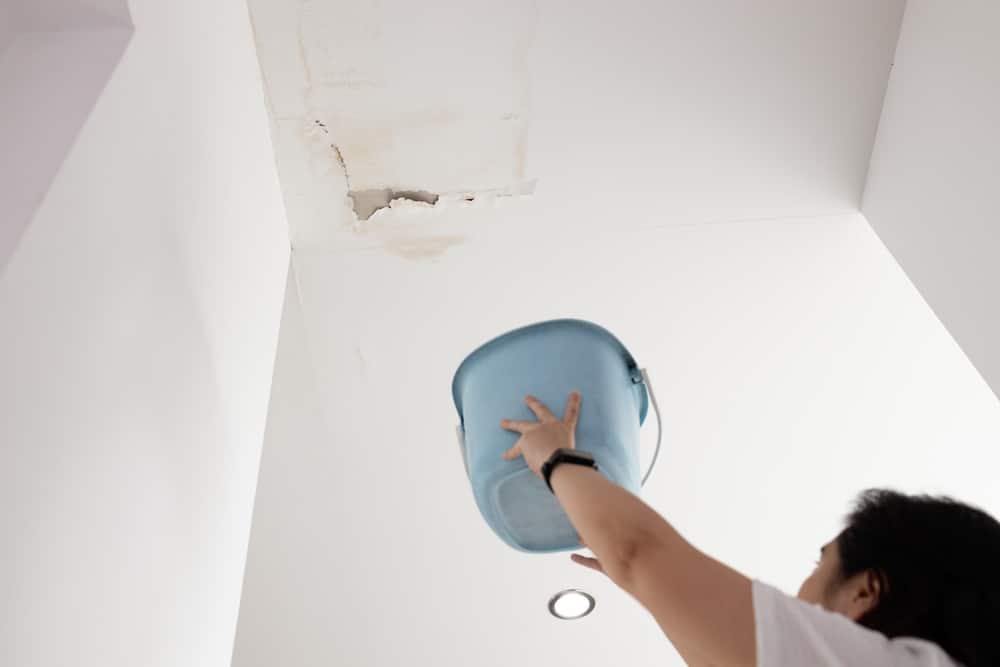
Assessing the Extent of Moisture Damage
Before beginning repairs, it’s important to determine how deeply the water has penetrated. Light surface damage can often be fixed with cleaning and refinishing, while severe cases may require replacing boards or even structural repairs.
- Surface Damage: Minor stains or warping limited to the finish or top layer.
- Moderate Damage: Deeper warping, soft spots, or mold growth below the surface.
- Severe Damage: Extensive rot, crumbling wood, or compromised structural elements.
Use a moisture meter to check for hidden dampness, especially in subfloors or behind walls. If you’re unsure about the severity, consult a restoration professional for an expert assessment.
Drying and Cleaning Techniques for Water-Affected Wood
Thorough drying is a critical step in repairing wood damage from water. Inadequate drying can trap moisture, leading to ongoing deterioration and mold growth.
- Air Drying: For minor cases, allow natural airflow to dry the wood. Use fans to increase circulation.
- Dehumidification: Place dehumidifiers in the affected area to draw out moisture from both the air and wood.
- Heat Application: Carefully use heaters or heat guns to accelerate drying, but avoid excessive heat that can cause cracking.
Once dry, clean the surface with a mild detergent or wood-safe cleaner to remove dirt, mold, and bacteria. For mold remediation, use a solution of water and vinegar or a commercial mold remover, following all safety precautions.
Repair Methods for Water-Damaged Wood
After drying and cleaning, assess what repairs are needed. The right approach depends on the type and extent of damage:
Restoring Minor Surface Issues
- Sanding: Lightly sand the affected area to remove stains, raised grain, or minor warping.
- Refinishing: Apply a fresh coat of stain or finish to restore appearance and protect the wood.
Fixing Moderate Damage
- Wood Filler: Use a high-quality wood filler to patch small holes, cracks, or gouges. Let it dry completely before sanding smooth.
- Replacing Boards: If individual boards are warped or rotted, remove and replace them with matching material.
Addressing Severe or Structural Damage
- Joist or Subfloor Replacement: In cases of extensive rot or mold, structural components may need professional replacement.
- Mold Remediation: If mold is widespread, consult a certified remediation specialist to ensure safe removal.
For more specialized situations, such as insulation or carpet restoration, see our guides on repairing insulation after water damage and repairing water damaged carpet.
Preventing Future Water Damage to Wood
Once repairs are complete, taking preventive measures can help avoid repeat incidents. Consider these best practices:
- Promptly Address Leaks: Fix plumbing, roof, or window leaks as soon as they’re discovered.
- Seal and Protect: Apply water-resistant finishes or sealants to wood surfaces in high-risk areas.
- Maintain Proper Ventilation: Use exhaust fans in bathrooms, kitchens, and basements to reduce humidity.
- Monitor Humidity Levels: Keep indoor humidity below 60% with dehumidifiers if necessary.
- Regular Inspections: Check for signs of moisture or mold, especially after storms or plumbing issues.
For a broader overview of restoration options, you may also find our article on effective water damage repair methods helpful.
When to Call a Professional for Wood Restoration
While many minor repairs can be handled by homeowners, certain situations require expert help:
- Extensive Mold: Large or toxic mold infestations should be addressed by certified professionals.
- Structural Damage: If joists, beams, or subfloors are compromised, professional assessment and repair are essential for safety.
- Persistent Moisture: If you can’t locate or stop the source of water, a specialist can identify hidden leaks or drainage issues.
Professional restoration companies have specialized equipment for drying, cleaning, and repairing wood, ensuring a thorough and lasting result.
Frequently Asked Questions
How long does it take to dry water-damaged wood?
Drying times vary depending on the extent of the damage, type of wood, and environmental conditions. Minor surface moisture may dry in a few days with good airflow, while deeper saturation can take one to two weeks or longer. Using fans, dehumidifiers, and heat can speed up the process.
Can I repair warped wood after water exposure?
In many cases, minor warping can be corrected by drying the wood thoroughly and then sanding or refinishing the surface. Severe warping, especially in structural elements, may require replacing the affected boards or components.
Is it safe to repair wood with visible mold myself?
Small areas of mold can often be cleaned with appropriate safety precautions, such as gloves and masks. However, if the mold covers a large area or is producing strong odors, it’s best to consult a professional to ensure safe and complete removal.