
Repairing Water Damaged Hardwood Floors: Ultimate Guide
· Ethan Williams
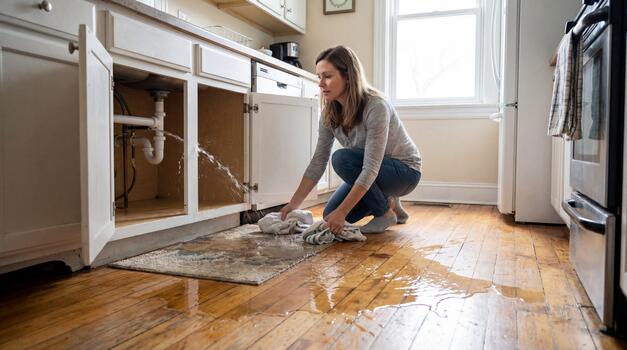
Hardwood floors are a beautiful and durable choice for any home, but when exposed to water, they can quickly become a source of stress and costly repairs. Whether the damage is from a burst pipe, an overflowing appliance, or a slow leak, acting quickly is crucial to minimize the impact. This comprehensive guide covers everything you need to know about repairing water damaged hardwood floors, from identifying the signs to step-by-step restoration methods and prevention tips.
Before diving into the repair process, it’s helpful to understand how water affects wood. Moisture can cause warping, cupping, buckling, and even mold growth if not addressed promptly. If you’re dealing with water damage in other areas of your home, you might also find our guide on repairing water damaged carpet helpful for a broader perspective on home restoration.
Recognizing Water Damage in Hardwood Flooring
Early detection is key to successful restoration. Water damage may not always be obvious at first glance, so it’s important to look out for these common signs:
- Cupping: Boards curl at the edges, creating a concave shape.
- Warping or Buckling: Boards lift or separate from the subfloor.
- Discoloration: Dark spots or stains, often indicating mold or mildew.
- Soft Spots: Areas that feel spongy or weak underfoot.
- Musty Odors: Persistent smells that suggest hidden moisture or mold.
For a more detailed look at how to spot water damage in various building materials, check out this expert guide to identifying water damage in buildings.
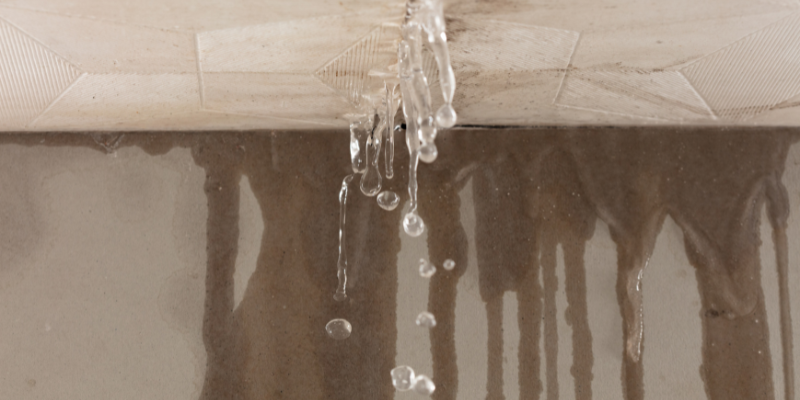
Immediate Steps to Take After Water Exposure
When you discover water on your hardwood floors, acting fast can make a significant difference in the outcome. Here’s what you should do right away:
- Stop the Source: Locate and eliminate the source of water, whether it’s a leaky pipe, appliance, or roof.
- Remove Standing Water: Use towels, a wet/dry vacuum, or a mop to soak up as much water as possible.
- Increase Airflow: Open windows and doors, and use fans or dehumidifiers to help dry the area.
- Move Furniture: Remove rugs, furniture, and any items sitting on the floor to prevent further absorption and staining.
- Document the Damage: Take photos for insurance purposes before beginning repairs.
Assessing the Extent of the Damage
Once the immediate threat is under control, it’s time to evaluate how severe the damage is. Not all water incidents require a full floor replacement. Consider these factors:
- Duration of Exposure: The longer water sits, the deeper it penetrates.
- Type of Water: Clean water is less hazardous than gray or black water from sewage or flooding.
- Flooring Construction: Solid hardwood is more resilient than engineered wood, which can delaminate quickly.
- Subfloor Condition: If water has seeped below the boards, the subfloor may also need attention.
If you’re unsure about the extent of the damage, consulting a flooring professional is always a wise step.

DIY Methods for Repairing Water Damaged Hardwood Floors
Depending on the severity, you may be able to restore your floors yourself. Here’s a step-by-step approach for minor to moderate damage:
1. Drying Out the Wood
After removing standing water, continue drying the area for several days. Use fans, dehumidifiers, and, if possible, raise the temperature in the room. Avoid direct heat, which can cause further warping.
2. Cleaning and Disinfecting
Clean the surface with a mild detergent and water. For areas that may have been exposed to contaminated water, use a disinfectant. For more information on safe cleaning, see our water damage disinfecting guide.
3. Sanding and Refinishing
If the boards are only slightly cupped or stained, sanding can help restore a smooth surface. Once sanded, refinish the floor with a sealant or polyurethane to protect against future moisture.
4. Replacing Damaged Boards
For boards that are warped, buckled, or rotted beyond repair, removal and replacement are necessary. Carefully pry up the damaged planks, allow the subfloor to dry, and install new boards. Match the stain and finish for a seamless look.
When to Call a Professional
Some situations require expert intervention, especially if:
- The damage covers a large area or multiple rooms.
- There is visible mold or a persistent musty odor.
- The subfloor is compromised or structural damage is suspected.
- You are dealing with contaminated water (gray or black water).
Professionals have specialized equipment for drying, mold remediation, and structural repairs, ensuring your home is safe and restored properly.
Preventing Future Water Damage
Prevention is always better than cure. Here are some practical steps to protect your hardwood floors from water damage:
- Fix leaks in plumbing, appliances, and roofing promptly.
- Use mats or rugs in high-risk areas like kitchens and entryways.
- Maintain proper humidity levels in your home (ideally 35–55%).
- Consider sealing your floors with a water-resistant finish.
- Inspect your home regularly for signs of moisture or leaks.
If you’re interested in learning about restoration for other surfaces, our resource on repairing drywall after water damage offers a step-by-step approach for walls and ceilings.
Related Resources for Water Damage Restoration
Water damage often affects more than just flooring. For comprehensive solutions, you may want to explore these additional resources:
- Effective water damage repair methods for various surfaces and materials.
- Repairing ceilings after water damage to address overhead leaks and stains.
Frequently Asked Questions
Can I repair water damaged hardwood floors myself?
Yes, minor damage such as slight cupping or surface stains can often be handled with drying, cleaning, and refinishing. For severe warping, buckling, or mold, professional help is recommended.
How long does it take for hardwood floors to dry after water exposure?
Drying time depends on the extent of the damage, humidity, and airflow. It can take anywhere from several days to a few weeks. Using fans and dehumidifiers can speed up the process.
Will insurance cover the cost of repairing water damaged hardwood floors?
Coverage varies by policy and the cause of the damage. Sudden and accidental events (like a burst pipe) are often covered, while gradual leaks may not be. Always document the damage and contact your insurer promptly.
Is it possible to prevent future water damage to hardwood floors?
Absolutely. Regular maintenance, prompt repairs of leaks, and using protective finishes can greatly reduce the risk of future issues.
What should I do if I notice mold on my hardwood floors?
If you see or smell mold, it’s important to address it immediately. Small areas can be cleaned with appropriate products, but widespread mold requires professional remediation to ensure safety.
Addressing water damage quickly and thoroughly can save your hardwood floors and prevent more serious problems down the line. With the right approach and resources, you can restore the beauty and integrity of your flooring for years to come.