
Repairing Water Damaged Carpet: Cleaning vs Replacement
· Ethan Williams
Repairing water damaged carpet is a challenge many homeowners face after leaks, floods, or plumbing mishaps. Deciding whether to clean and restore your carpet or replace it entirely depends on several factors, including the extent of the damage, the type of water involved, and how quickly you act. Making the right choice can save money, prevent health risks, and restore comfort to your living space.
In this guide, you'll learn how to assess the severity of carpet water damage, the pros and cons of cleaning versus replacing, and practical steps for each approach. We'll also highlight when to call in professionals, how to prevent future issues, and where to find more resources on repairing floors after water damage and related topics.
Understanding the Causes and Types of Carpet Water Damage
Before deciding on a solution, it's important to understand how carpets become water damaged. The source of the water plays a crucial role in determining whether cleaning is possible or if replacement is the safer option.
- Clean water (Category 1): Comes from sources like broken pipes or rainwater. Usually less hazardous, making restoration more feasible.
- Gray water (Category 2): Contains some contaminants, such as water from washing machines or dishwashers. Cleaning may be possible, but extra precautions are needed.
- Black water (Category 3): Highly contaminated, often from sewage or flooding. Carpets exposed to this water almost always require replacement due to health risks.
Quick action is essential. The longer moisture sits, the greater the risk of mold, odors, and permanent structural damage.
Assessing the Extent of Carpet Water Damage
To determine if your carpet can be salvaged, start by evaluating:
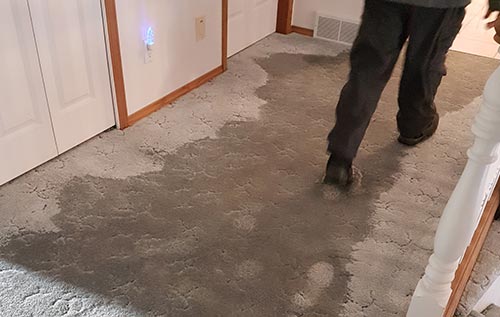
- How much of the carpet is affected? Small, localized spills are easier to address than widespread flooding.
- How long has the carpet been wet? If water has been present for more than 24-48 hours, the risk of mold and bacteria increases significantly.
- What type of water caused the damage? As mentioned above, clean water offers the best chance for restoration.
- Is there visible mold or odor? Musty smells or visible mold growth often mean replacement is necessary.
For a more detailed inspection, lift a corner of the carpet to check the padding and subfloor. If these layers are soaked or show signs of warping, the damage may be more extensive than it appears on the surface.
Cleaning and Restoring Water Damaged Carpets
When the damage is limited and caused by clean water, cleaning and restoration can be a cost-effective solution. Here’s how to approach the process:
- Remove excess water: Use wet vacuums, towels, or mops to extract as much moisture as possible.
- Lift the carpet: Prop up the edges to allow air to circulate underneath. Remove and discard the padding if it is saturated, as it is difficult to dry and clean thoroughly.
- Dry thoroughly: Use fans, dehumidifiers, and open windows to speed up drying. This step is critical to prevent mold growth.
- Clean and disinfect: Apply carpet-safe disinfectants and cleaners to eliminate bacteria and odors. Steam cleaning is often effective for deep cleaning.
- Inspect for mold: Monitor the area for several days. If any signs of mold or persistent odor appear, further action may be needed.
For more comprehensive guidance on sanitizing after water incidents, see our water damage disinfecting guide.
When Is Cleaning the Best Option?
Restoring your carpet is most successful when:
- The water was clean and the area was dried within 24-48 hours.
- There is no visible mold or persistent odor.
- The padding and subfloor are not extensively damaged.
- The carpet is of high quality and worth saving.
When Replacement Is Necessary
Sometimes, cleaning is not enough. Replacement is usually recommended when:
- The carpet has been soaked for more than 48 hours.
- The water source was contaminated (gray or black water).
- There is visible mold, mildew, or a strong musty smell.
- The padding and subfloor are damaged or warped.
- The carpet is old, worn, or not worth the cost of restoration.

Replacing water damaged carpet ensures that hidden mold or contaminants do not pose ongoing health risks. It also allows you to address any underlying issues with the subfloor or structure.
Steps for Replacing Carpet After Water Damage
- Remove the old carpet and padding: Wear gloves and a mask to protect against mold and contaminants.
- Inspect and repair the subfloor: Look for signs of rot, warping, or mold. Replace or treat as needed.
- Allow the area to dry completely: Use fans and dehumidifiers to remove all moisture before installing new materials.
- Install new padding and carpet: Choose materials suitable for your environment and consider moisture-resistant options.
If you’re unsure about the extent of the damage or how to proceed, professional help can ensure the job is done safely and thoroughly. For more information on advanced solutions, check out our article on water damage repair methods.
Health and Safety Considerations
Water damaged carpets can harbor bacteria, allergens, and mold, which may cause respiratory issues or allergic reactions. Always wear protective equipment when handling wet or moldy materials. If you notice symptoms like coughing, sneezing, or headaches after water damage, consult a medical professional and address the source of contamination promptly.
For additional warning signs to watch for, review this comprehensive list of water damage indicators on your property.
Preventing Future Carpet Water Damage
Prevention is key to avoiding costly repairs or replacements. Here are some practical tips:
- Fix leaks and plumbing issues promptly.
- Ensure proper drainage around your home’s foundation.
- Use moisture barriers in basements and crawl spaces.
- Install water alarms or sensors in vulnerable areas.
- Regularly inspect appliances and HVAC systems for leaks.
Proactive maintenance can save time, money, and stress in the long run. For more on related repairs, see our resource on repairing drywall after water damage.
Frequently Asked Questions
How soon should I act after discovering water on my carpet?
Immediate action is crucial. Begin drying and cleaning within the first 24 hours to minimize the risk of mold and permanent damage. The faster you respond, the better your chances of saving the carpet and preventing health hazards.
Can I clean water damaged carpet myself, or should I hire a professional?
For small areas affected by clean water, DIY cleaning is possible if you have the right equipment and act quickly. However, if the damage is extensive, involves contaminated water, or you notice mold, it's best to consult a professional restoration service.
What are the signs that my carpet needs to be replaced rather than cleaned?
Persistent musty odors, visible mold, damage from black water, or soaked padding and subfloor are strong indicators that replacement is necessary. If in doubt, a professional assessment can help you make an informed decision.