
Professional Water Damage Disinfecting Guide & Safety Tips
· Ethan Williams
Water intrusion can turn any home or business upside down. Whether caused by a burst pipe, heavy rain, or appliance failure, the aftermath is not just about drying out the space—it's about making sure the area is truly clean and safe. This water damage disinfecting guide will walk you through essential steps for thorough cleaning, highlight key safety measures, and help you understand why proper disinfection is critical for your health and property.
Before diving into the details, it's important to recognize that water damage can have lingering effects on both your home and your health. For a deeper understanding of how moisture problems can impact your well-being, see water damage and respiratory issues for more insights on potential risks.

Why Proper Disinfection After Water Damage Matters
Cleaning up after a flood or leak is not just about removing visible water. Moisture can seep into walls, floors, and furniture, creating an ideal environment for mold, bacteria, and other pathogens. Without proper disinfection, these contaminants can lead to unpleasant odors, structural issues, and even serious health problems. According to experts, water damage disinfecting is a crucial step to ensure your space is safe for occupancy and to prevent long-term complications.
It's also important to distinguish between new and old water damage, as older issues may harbor more bacteria and mold. For tips on identifying the age of water damage, refer to this guide on determining if you have new or old water damage.
Assessing the Extent of Water Damage
Before you start cleaning, assess the severity and type of water involved. Water damage is typically classified into three categories:
- Category 1: Clean water from sources like broken pipes or rainwater.
- Category 2: Gray water containing some contaminants, such as from washing machines or dishwashers.
- Category 3: Black water, which is highly contaminated and may come from sewage or floodwaters.
Each category requires a different approach to cleaning and disinfecting. For more on contamination levels, see water damage contamination risks.
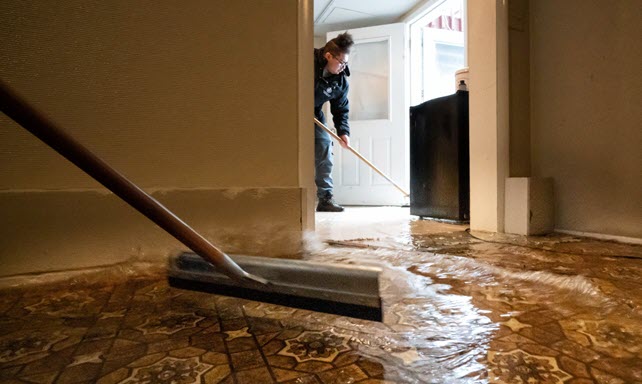
Essential Safety Precautions for Water Damage Cleanup
Before starting any cleanup, prioritize safety. Here are some key precautions:
- Turn off electricity in affected areas to avoid electrical hazards.
- Wear protective gear such as gloves, boots, goggles, and masks to protect against contaminants.
- Ventilate the area by opening windows and using fans to reduce moisture and fumes from cleaning agents.
- Avoid direct contact with contaminated water, especially if it’s Category 2 or 3.
- Dispose of unsalvageable items like soaked carpets, insulation, and drywall to prevent mold growth.
Taking these steps helps minimize health risks and ensures a safer environment during the restoration process.
Step-by-Step Water Damage Disinfecting Process
Effective disinfection involves more than just surface cleaning. Follow these steps for a thorough approach:
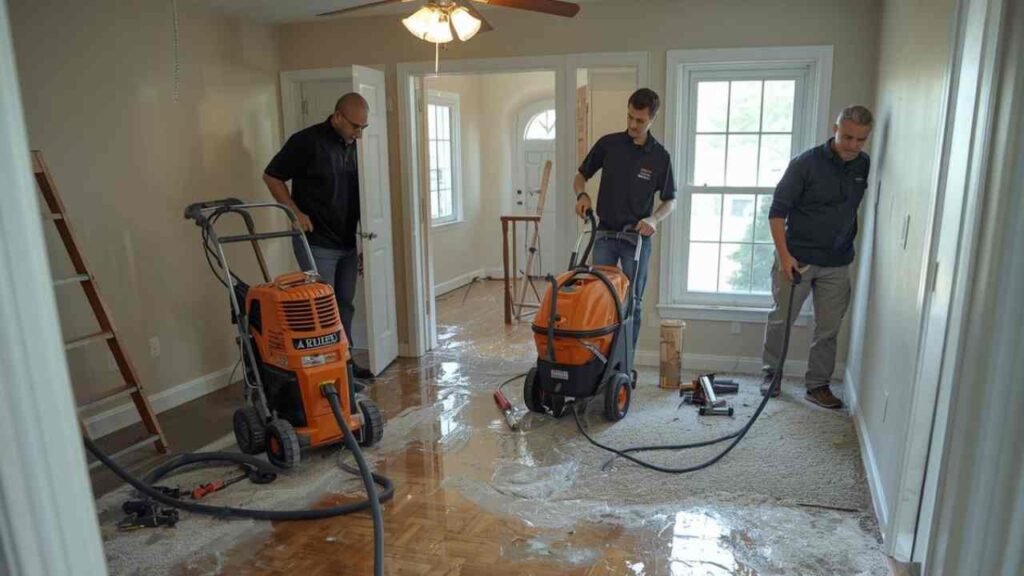
- Remove Standing Water: Use pumps, wet/dry vacuums, or mops to eliminate as much water as possible. The faster you remove water, the less likely mold and bacteria will develop.
- Dry the Area Completely: Deploy fans, dehumidifiers, and open windows to speed up drying. Moisture meters can help ensure hidden areas are dry.
- Clean Surfaces: Wash hard surfaces with soap and water to remove dirt and debris. For porous materials, consider professional cleaning or replacement.
- Disinfect Thoroughly: Apply EPA-registered disinfectants to all affected surfaces. Pay special attention to floors, walls, and any items that came into contact with contaminated water.
- Prevent Mold Growth: Use mold inhibitors and continue monitoring humidity levels. If you spot mold, address it immediately with appropriate cleaning agents or consult professionals.
- Dispose of Contaminated Materials: Bag and discard items that cannot be salvaged, such as insulation, drywall, and certain textiles.
Choosing the Right Disinfectants and Cleaning Agents
Not all cleaning products are created equal. For effective water damage disinfecting, use:
- EPA-approved disinfectants that are proven to kill bacteria, viruses, and mold spores.
- Bleach solutions (1 cup bleach to 1 gallon of water) for non-porous surfaces, but never mix bleach with ammonia or other cleaners.
- Antimicrobial sprays for carpets and upholstery, but check manufacturer recommendations first.
Always follow product instructions for dilution and contact time. Test cleaning agents on a small area to avoid damaging surfaces.
Health Effects and Long-Term Risks of Inadequate Disinfection
Failing to properly disinfect after water damage can lead to a range of health problems. Mold and bacteria thrive in damp environments, potentially causing respiratory issues, allergies, and other illnesses. For more information on the health effects of water damage, review our detailed guide.
Long-term exposure to contaminated environments can be especially harmful to children, the elderly, and those with weakened immune systems. Even after visible cleanup, lingering spores and pathogens can continue to pose risks if not addressed thoroughly.
When to Call a Professional Restoration Service
While minor leaks and clean water incidents may be manageable for homeowners, certain situations require expert intervention:
- Extensive flooding or water that has been standing for more than 24 hours
- Contaminated water (Category 2 or 3)
- Visible mold growth or persistent musty odors
- Damage affecting structural components or electrical systems
Professional restoration teams have specialized equipment and training to handle hazardous materials, ensure thorough drying, and apply industrial-grade disinfectants. They can also assess hidden damage and help prevent future problems.
Tips for Preventing Future Water Damage and Contamination
Prevention is always better than cure. To reduce the risk of future water-related issues:
- Inspect plumbing and appliances regularly for leaks or wear
- Maintain gutters and downspouts to direct water away from the foundation
- Seal cracks in walls, windows, and foundations
- Install water alarms and automatic shut-off valves
- Act quickly at the first sign of water intrusion
Staying proactive can help you avoid costly repairs and protect your home’s air quality. If you notice allergy symptoms after a water event, see our article on water damage and allergies for further advice.
Frequently Asked Questions
How soon should I start disinfecting after water damage?
Begin the cleanup and disinfection process as soon as it is safe to do so. The longer water sits, the higher the risk of mold and bacterial growth. Ideally, start within 24-48 hours after the incident.
Can I use household bleach for all surfaces?
Bleach is effective for non-porous surfaces like tile and concrete, but it can damage wood, fabrics, and certain finishes. Always check manufacturer guidelines and consider EPA-approved alternatives for sensitive materials.
What are signs that water damage has not been properly disinfected?
Persistent musty odors, visible mold, recurring allergy symptoms, and staining are indicators that disinfection may have been incomplete. If these issues persist, consider a professional assessment.