
Dangerous Health Effects of Water Damage You Should Know
· Ethan Williams
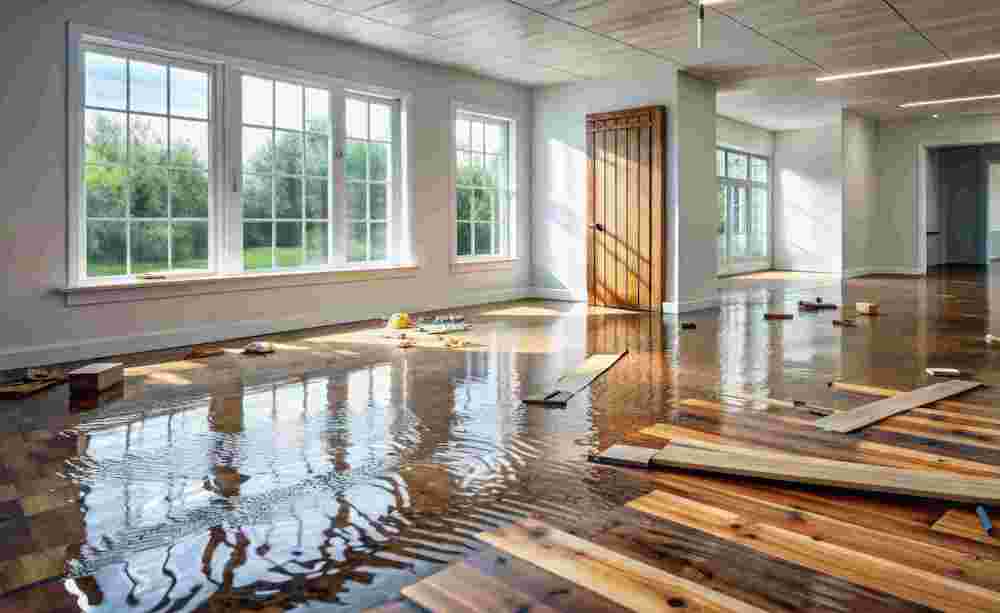
Water intrusion in homes and buildings is more than just a nuisance—it can have significant consequences for your well-being. When moisture seeps into walls, floors, or ceilings, it creates an environment where harmful microorganisms thrive. Many people underestimate the health effects of water damage, but understanding these risks is crucial for protecting yourself and your family.
Whether caused by a burst pipe, flooding, or a slow leak, untreated water issues can quickly escalate from a minor inconvenience to a serious health hazard. Early detection, prompt cleanup, and proper sanitation are essential to minimize potential dangers. For a comprehensive approach to cleaning up after a leak, you can review these water damage sanitation procedures that help ensure your home remains safe and healthy.
Why Moisture Problems Are a Health Concern
When water invades indoor spaces, it doesn’t just damage property—it disrupts the balance of your living environment. Dampness allows bacteria, viruses, and especially mold to multiply rapidly. These microorganisms can release spores and toxins into the air, which are then inhaled or come into contact with skin. This is why the health effects of water damage are often more severe than people expect, especially if the issue is ignored or not addressed properly.
Even small leaks can create hidden pockets of moisture behind walls or under floors, making it difficult to spot problems until symptoms appear. The longer water sits, the greater the risk of contamination and adverse health outcomes.
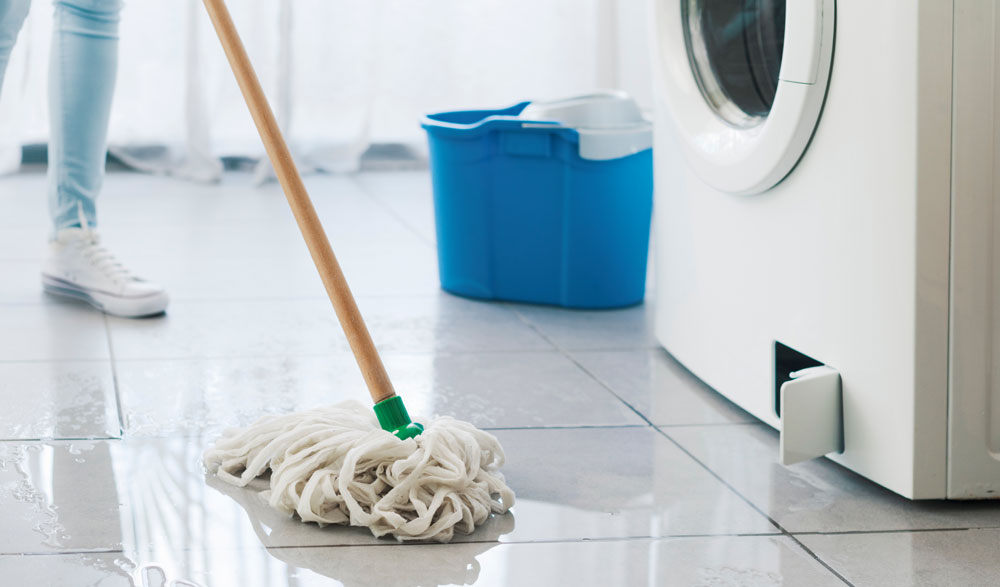
Common Health Risks Linked to Water Intrusion
Exposure to water-damaged environments can lead to a range of health problems. Some of the most common risks include:
- Respiratory issues: Mold spores and bacteria can irritate the lungs, causing coughing, wheezing, and shortness of breath. People with asthma or allergies are particularly vulnerable.
- Allergic reactions: Mold and dust mites thrive in damp areas, triggering sneezing, runny nose, itchy eyes, and skin rashes.
- Infections: Standing water and wet materials can harbor harmful bacteria and viruses. Cuts or scrapes exposed to contaminated water may become infected.
- Worsening of chronic conditions: Those with weakened immune systems, such as the elderly or people with chronic illnesses, may experience more severe symptoms or complications.
For more information on how quickly these hazards can develop, see this guide on how quickly mold grows after water damage.
How Mold Growth Impacts Indoor Air Quality
Mold is one of the most notorious consequences of water problems. It can begin to grow within 24 to 48 hours after exposure to moisture. Once established, mold releases spores and mycotoxins that degrade indoor air quality and pose health threats.
Symptoms of mold exposure may include:
- Persistent coughing or sneezing
- Sinus congestion
- Eye, nose, or throat irritation
- Headaches and fatigue
- Skin irritation or rashes
Long-term exposure to mold, especially in poorly ventilated areas, can lead to chronic respiratory illnesses and exacerbate existing health conditions. Children, older adults, and individuals with compromised immune systems are at the highest risk.
Hidden Dangers: Bacteria, Viruses, and Toxins
While mold is a well-known concern, other microorganisms can also thrive in wet environments. Bacteria such as E. coli and Salmonella may be present in water from flooding or sewage backups. Viruses and parasites can also contaminate surfaces and air, increasing the risk of gastrointestinal and respiratory illnesses.
Some types of mold produce mycotoxins, which are toxic compounds that can be harmful even in small amounts. Prolonged exposure to these toxins has been linked to neurological symptoms, immune suppression, and other serious health problems.
To prevent these risks, it’s essential to address water issues quickly and thoroughly. Learn more about water damage and mold growth to understand prevention and timelines for remediation.
Long-Term Consequences of Unresolved Water Issues
Ignoring or delaying repairs after a water incident can have lasting effects on both your property and your health. Chronic dampness can lead to structural damage, persistent odors, and ongoing microbial growth. Over time, this can make your home unsafe and uninhabitable.
Some of the long-term health effects associated with ongoing water problems include:
- Development of asthma or other chronic respiratory diseases
- Increased sensitivity to allergens
- Frequent headaches or unexplained fatigue
- Heightened risk of infections, especially in vulnerable populations
Addressing water issues promptly and following proper cleanup protocols is the best way to protect your health and investment. For safe cleanup strategies, see these water damage mold removal basics.
Recognizing the Warning Signs of Water Damage
Early detection is key to minimizing the health effects of water damage. Some warning signs to watch for include:
- Musty or earthy odors
- Visible mold growth on walls, ceilings, or floors
- Peeling paint or wallpaper
- Stains or discoloration on surfaces
- Warped or buckling materials
If you notice any of these symptoms, it’s important to investigate further and take action. For a detailed list of what to look for, check out this comprehensive guide to water damage warning signs.
Steps to Minimize Health Risks After Water Incidents
If you experience a leak, flood, or other water event, acting quickly can help reduce health hazards. Here are some practical steps to follow:
- Stop the source: Shut off water supply or address the cause of the leak.
- Remove standing water: Use pumps, wet vacuums, or towels to extract water as soon as possible.
- Dry affected areas: Open windows, use fans, and run dehumidifiers to speed up drying.
- Dispose of contaminated materials: Remove and discard porous items like carpets, drywall, and insulation if they cannot be thoroughly cleaned.
- Clean and disinfect: Use appropriate cleaning agents to sanitize surfaces and prevent microbial growth.
- Monitor for mold: Continue to check for signs of mold or mildew in the weeks following cleanup.
For more tips on maximizing insurance claims after a water incident, you may find these water damage reimbursement tips helpful.
Frequently Asked Questions
What are the first signs that water damage is affecting my health?
Common early symptoms include coughing, sneezing, nasal congestion, itchy eyes, and skin irritation. If you notice these symptoms after a water event or in a damp environment, it’s important to investigate further and address any moisture issues.
How soon can mold start growing after a leak or flood?
Mold can begin to develop within 24 to 48 hours of water exposure. Prompt drying and cleanup are essential to prevent mold growth and reduce health risks.
Can water damage cause long-term health problems?
Yes, chronic exposure to dampness, mold, and bacteria can lead to persistent respiratory issues, allergic reactions, and even the development of asthma or other chronic illnesses. Addressing water issues quickly is the best way to avoid these long-term consequences.