
Water Damage and Mold Growth: Prevention and Timelines
· Ethan Williams
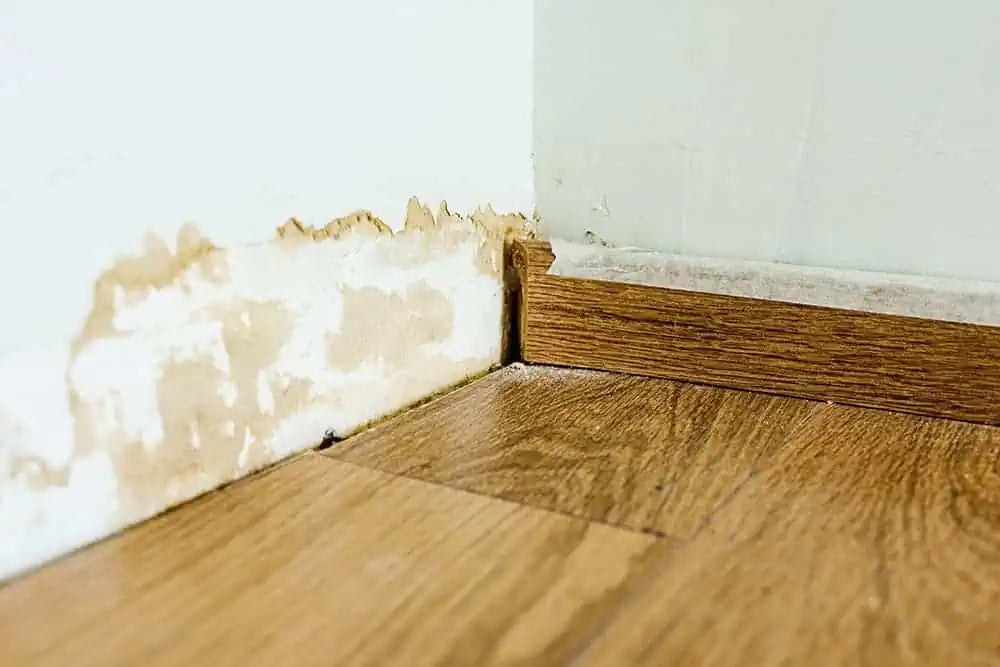
Water damage and mold growth are closely linked issues that can quickly escalate from minor leaks to significant health and property concerns. When moisture enters a home—whether from a burst pipe, flooding, or a slow roof leak—it creates the perfect environment for mold to thrive. Understanding how to prevent these problems, recognize early warning signs, and act within the right timeframe is essential for protecting your property and your health.
In this article, we’ll explore how moisture intrusion leads to mold, the critical timelines for intervention, and practical steps for prevention. We’ll also highlight important documentation and insurance considerations, including water damage documentation tips to help you navigate claims and repairs effectively.
How Moisture Leads to Mold Infestation
When water enters your home, it doesn’t take long for problems to develop. Mold spores are present in virtually every indoor environment, but they require moisture to grow. Once water saturates building materials like drywall, wood, or carpet, mold can begin to colonize within 24 to 48 hours. The combination of organic material and humidity creates an ideal breeding ground for spores to multiply rapidly.
Common sources of excess moisture include:
- Leaking pipes or appliances
- Roof or window leaks
- Flooding from storms or rising groundwater
- Poor ventilation in bathrooms or basements
Even minor water incidents, if not addressed quickly, can result in hidden mold behind walls or under flooring. Early detection and prompt action are crucial to preventing widespread contamination.

Timelines: How Fast Does Mold Grow After Water Damage?
One of the most important aspects of managing water damage and mold growth is understanding the timeline for action. Mold can start growing in as little as 24 hours after water intrusion, and the risk increases dramatically the longer moisture remains.
| Time After Water Intrusion | What Happens |
|---|---|
| Within 24 hours | Moisture soaks into porous materials; mold spores begin to activate. |
| 24–48 hours | Mold colonies may start to appear; musty odors develop. |
| 48–72 hours | Visible mold growth on surfaces; potential for structural damage increases. |
| After 72 hours | Widespread contamination likely; remediation becomes more complex and costly. |
Because of these rapid timelines, immediate response is essential. Remove standing water, dry affected areas, and ventilate the space as soon as possible to minimize the risk of mold taking hold.
Recognizing the Signs of Moisture and Mold
Early identification of water issues and mold is key to preventing extensive damage. Some signs are obvious, while others may be hidden behind walls or under flooring. According to this guide on recognizing the signs of water damage, homeowners should watch for:
- Musty or earthy odors
- Visible discoloration or staining on walls, ceilings, or floors
- Peeling paint or wallpaper
- Warped or buckling flooring
- Persistent condensation on windows or pipes
- Unexplained allergy symptoms or respiratory issues
If you notice any of these warning signs, investigate further and address the source of moisture immediately. Professional inspection may be necessary for hidden or extensive problems.

Prevention Strategies for Water and Mold Issues
Preventing water damage and mold growth requires a proactive approach. Here are practical steps to reduce your risk:
- Regular Maintenance: Inspect plumbing, appliances, and roofing for leaks. Address issues promptly.
- Control Humidity: Use dehumidifiers and ensure proper ventilation in bathrooms, kitchens, and basements.
- Respond Quickly: If water intrusion occurs, remove water and dry affected areas within 24–48 hours.
- Seal Vulnerable Areas: Caulk windows, repair roof flashing, and maintain exterior drainage to keep water out.
- Monitor for Hidden Leaks: Check under sinks, behind appliances, and in crawl spaces regularly.
Consistent vigilance and quick action are your best defenses against costly repairs and health risks associated with mold.
Insurance and Documentation Considerations
Dealing with water and mold issues often involves navigating insurance claims. Proper documentation is critical for a successful outcome. Take clear photos of all affected areas, keep records of repairs, and save receipts for any professional services. For more guidance, review these water damage documentation tips to ensure you’re prepared if you need to file a claim.
It’s also important to understand your policy’s coverage and limitations. Some insurance plans exclude mold remediation or only cover certain types of water events. For more information, you can learn about water damage coverage exclusions and how they may affect your claim.
When to Call a Professional
While minor water incidents can sometimes be handled by homeowners, larger or persistent problems require professional intervention. If you discover extensive mold, structural damage, or ongoing leaks, contact a certified remediation specialist. Professionals have the equipment and expertise to safely remove mold, dry structures, and prevent recurrence. Acting quickly can also help with insurance claims and reduce long-term costs.
Frequently Asked Questions
How quickly does mold start growing after water exposure?
Mold can begin to grow within 24 to 48 hours after water intrusion. The speed depends on the amount of moisture, temperature, and the presence of organic materials. Rapid drying and ventilation are essential to prevent mold from taking hold.
What are the health risks of mold in the home?
Exposure to mold can cause respiratory issues, allergic reactions, and worsen asthma symptoms. Some types of mold produce mycotoxins, which can be particularly harmful to sensitive individuals, children, and the elderly. Prompt removal and remediation are important for maintaining a healthy indoor environment.
Does homeowners insurance cover mold remediation?
Coverage varies by policy and the cause of the water damage. Many standard policies exclude mold remediation unless it results from a covered water event, such as a sudden pipe burst. Gradual leaks or maintenance issues are often not covered. Review your policy and consult your insurer for specifics.
By understanding the connection between moisture and mold, acting quickly, and following prevention strategies, you can protect your property and health from the costly consequences of unchecked water and mold issues.