
Water Damage Coverage Exclusions: What Insurance Won't Pay
· Ethan Williams

Understanding what your insurance policy covers—and more importantly, what it doesn’t—can make a significant difference when dealing with water-related incidents in your home. Many homeowners assume their insurance will pay for any type of water damage, but the reality is that there are numerous water damage coverage exclusions that can leave you responsible for costly repairs. Knowing these limitations helps you avoid surprises and plan for better protection.
This article explores the most common situations where insurance providers typically deny claims, the reasoning behind these exclusions, and practical steps you can take to minimize your risk. If you’re navigating a claim or just want to be prepared, it’s essential to understand the fine print of your policy. For a deeper look at the claims process, you may also find our guide on the water damage insurance inspection process helpful.
Common Water Damage Scenarios Not Covered by Insurance
Insurance policies are designed to protect against sudden and accidental events, but they often exclude predictable or preventable situations. Here are some frequent water damage coverage exclusions you should be aware of:
- Gradual leaks and seepage: Damage caused by slow leaks, such as a dripping pipe behind a wall, is usually not covered. Insurers expect homeowners to maintain their property and address minor issues before they become major problems.
- Flooding from external sources: Standard homeowner policies almost never cover flood damage from rising water, heavy rain, or overflowing rivers. Separate flood insurance is required for this type of risk.
- Negligence or lack of maintenance: If the insurer determines that water damage occurred because you failed to repair a known issue—like a leaky roof or broken appliance—your claim may be denied.
- Sewer or drain backups: Water damage from backed-up sewers or drains is typically excluded unless you have purchased a specific endorsement for this risk.
- Water from ground seepage: Water entering the home through the foundation or basement walls is generally not covered.
Why Do Insurers Exclude Certain Types of Water Damage?
Insurance companies set water damage coverage exclusions to manage risk and keep premiums affordable. They distinguish between accidental, unpredictable events and those that result from ongoing neglect or natural disasters. For example, a burst pipe in winter due to freezing temperatures is often covered, but a pipe that leaks over months due to corrosion is not.
Exclusions also exist because some risks—like flooding—are so widespread and costly that they require separate, specialized policies. The National Flood Insurance Program (NFIP) is one example of a government-backed solution for flood risks that standard insurers avoid.
Specific Exclusions to Watch For in Your Policy
Every insurance contract is different, but most share similar language regarding what’s not included. Here are some of the most important exclusions to look for:
- Wear and tear: Damage from normal aging of plumbing, roofing, or appliances is not covered.
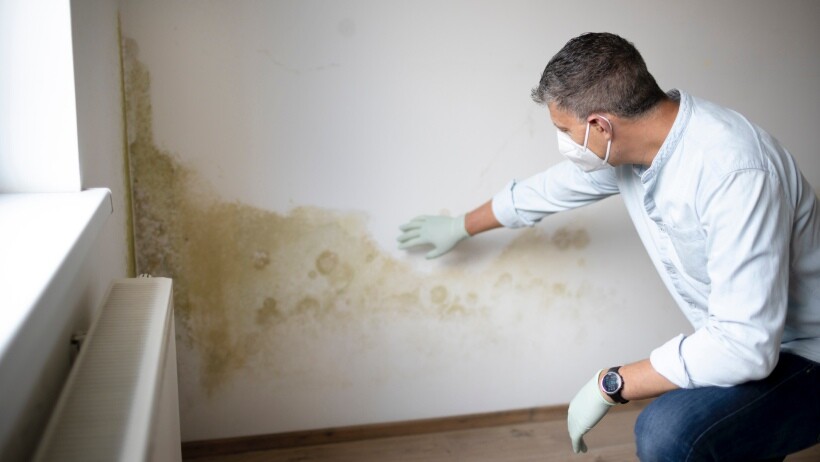
- Mold and fungus: Unless directly caused by a covered water event and addressed promptly, mold remediation is often excluded or severely limited.
- Intentional acts: Any damage that occurs because of intentional actions by the homeowner or residents is not eligible for reimbursement.
- Long-term neglect: If the insurer believes you ignored warning signs or failed to maintain your property, they may deny your claim.
How to Identify and Prevent Uninsured Water Damage
While you can’t control every risk, you can reduce your exposure to losses that aren’t covered by insurance. Here are some practical steps:
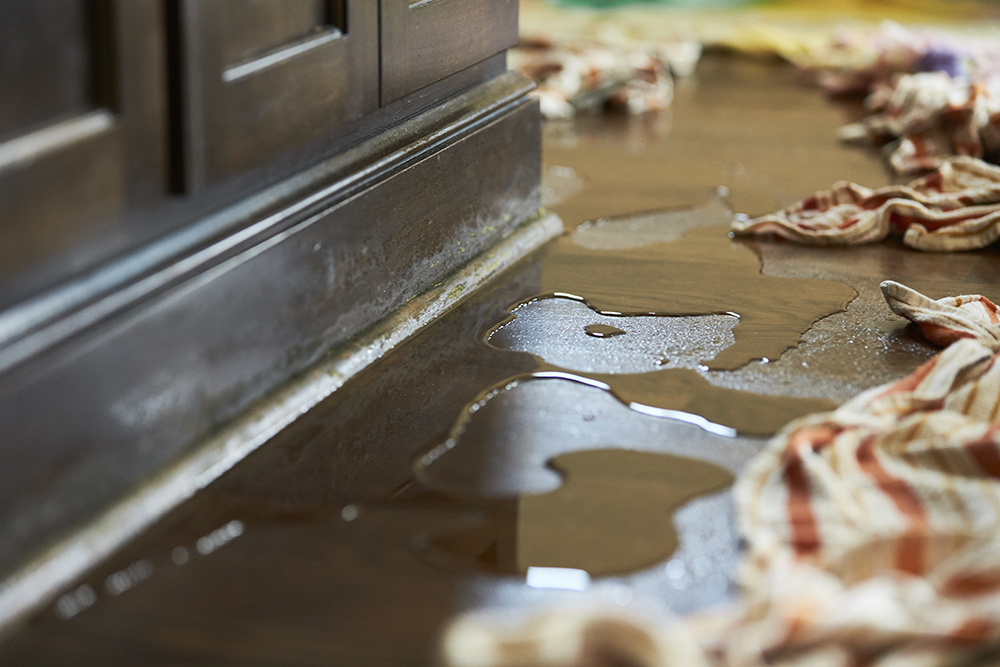
- Inspect your plumbing, appliances, and roof regularly for signs of leaks or deterioration.
- Address minor leaks and moisture issues immediately to prevent them from becoming major problems.
- Consider installing water leak detectors and automatic shutoff valves for added protection.
- Review your policy annually and ask your agent about endorsements for sewer backup, sump pump failure, or mold remediation.
- Purchase separate flood insurance if you live in a flood-prone area.
For more tips on handling water emergencies, see our article on DIY water damage cleanup tips and how you can address minor issues before they escalate.
What to Do If Your Claim Is Denied
If you experience water damage and your claim is denied due to one of these exclusions, you still have options:
- Request a detailed explanation in writing from your insurer, citing the specific policy language used to deny your claim.
- Review your policy carefully or consult with a public adjuster or attorney to ensure the denial is valid.
- Document all damage with photos and written descriptions, and keep records of any repairs or remediation efforts.
- Appeal the decision if you believe the denial was made in error or if you can provide additional evidence supporting your claim.
Understanding the factors affecting water damage repair costs can also help you plan for out-of-pocket expenses if your claim isn’t approved. For more insight, check out our resource on factors affecting water damage repair costs.
Recognizing the Signs of Uncovered Water Damage
Spotting water damage early can make a big difference in both repair costs and insurance outcomes. Some signs to watch for include:
- Discoloration or staining on walls, ceilings, or floors
- Musty odors or visible mold growth
- Peeling paint or wallpaper
- Warped or buckling flooring
For a visual guide to identifying water damage, see this resource on what water damage looks like.
Tips for Reviewing and Updating Your Policy
Insurance policies can be complex, but reviewing them regularly is the best way to avoid surprises. Here’s how to stay proactive:
- Read the exclusions section carefully and ask your agent to explain anything you don’t understand.
- Consider additional coverage for risks not included in your standard policy, such as flood or sewer backup.
- Update your policy after major home improvements or if you add new appliances or plumbing features.
- Keep records of maintenance and repairs, as these can support your case if you need to file a claim.
For a comprehensive overview of restoration options, see our guide on water damage restoration for homeowners.
Frequently Asked Questions
Does homeowners insurance cover all types of water damage?
No, standard policies only cover sudden and accidental incidents, such as a burst pipe. Gradual leaks, flooding, and damage from neglect are usually excluded unless you have specific endorsements or additional policies.
What should I do if my water damage claim is denied?
First, request a written explanation from your insurer. Review your policy, gather documentation, and consider appealing the decision if you believe it was made in error. Consulting with a public adjuster or attorney can also help clarify your options.
How can I protect my home from uncovered water damage?
Regular maintenance, prompt repairs, and installing leak detection devices are key steps. Review your insurance policy annually and consider purchasing endorsements or separate flood insurance if needed.
Are sewer backups ever covered by insurance?
Sewer or drain backups are generally excluded from standard policies, but you can often add a specific endorsement for this risk. Check with your insurer to see what options are available.
Where can I learn more about the claims process?
For step-by-step instructions, see our article on how to file a water damage claim.