
Understanding the Water Damage Insurance Inspection Process
· Ethan Williams

Dealing with water damage in your home or business can be overwhelming, especially when it comes to navigating the insurance claim process. One of the most critical steps after discovering water damage is the inspection conducted by your insurance company. Knowing what to expect during this stage can help you prepare, avoid common pitfalls, and ensure that your claim is handled efficiently.
This guide breaks down the water damage insurance inspection process, from initial contact to final assessment, so you know how to advocate for your interests and maximize your chances of a fair settlement. If you’re also interested in how to avoid common mistakes when making a claim, check out our article on water damage claim mistakes for more tips.
What Triggers an Insurance Inspection for Water Damage?
When you discover water damage, the first step is to notify your insurance provider. This notification sets the insurance inspection process in motion. Insurers typically send an adjuster or inspector to assess the extent of the damage, determine the cause, and evaluate whether your policy covers the incident. The inspection is crucial for both the insurer and the policyholder, as it forms the basis for any payout or repair authorization.
Common triggers for an inspection include:
- Sudden leaks from plumbing or appliances
- Storm or flood-related water intrusion
- Roof leaks after heavy rain
- Sewer backups or sump pump failures
Timely reporting is essential. Delays can complicate the process and may even result in a denied claim if the insurer believes the damage worsened due to inaction.
Preparing for the Water Damage Inspection
Proper preparation can make a significant difference in the outcome of your claim. Here are some steps to take before the adjuster arrives:
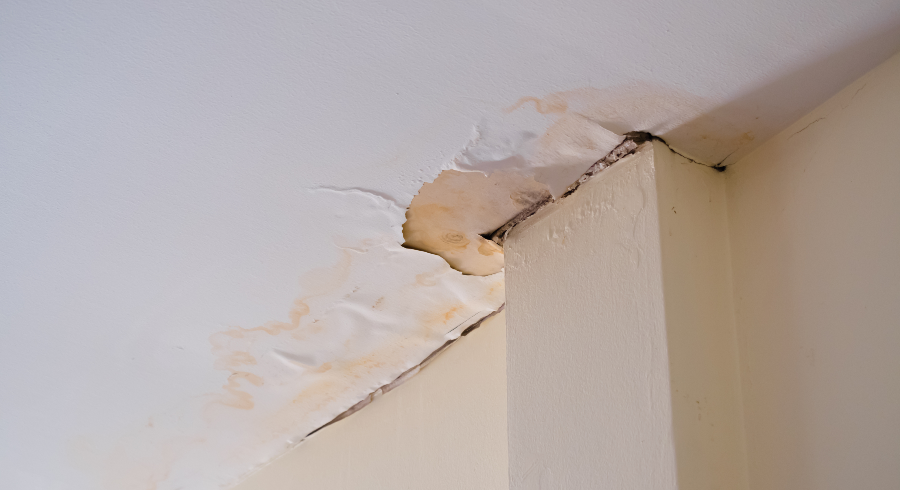
- Document the damage: Take clear, dated photos and videos of all affected areas, including walls, floors, ceilings, and belongings.
- List damaged items: Create an inventory of personal property impacted by the water, noting their value and age.
- Prevent further damage: If safe, take reasonable steps to stop the spread of water (such as shutting off the main supply or moving undamaged items).
- Gather documentation: Have your insurance policy, receipts, and any previous correspondence with your insurer ready for review.
What Happens During the Water Damage Assessment?
The insurance inspection process for water damage typically involves several steps:
- Initial walkthrough: The adjuster inspects the affected areas, looking for visible signs of water intrusion, mold, and structural issues.
- Moisture testing: Tools like moisture meters and thermal cameras may be used to detect hidden dampness behind walls or under floors.
- Cause determination: The inspector will try to identify the source of the water, which is vital for coverage decisions. For example, damage from gradual leaks may not be covered, while sudden events usually are.
- Documentation: The adjuster takes photographs, measurements, and notes to support their findings.
- Interview: You may be asked about the timeline of events, maintenance history, and any actions you took to mitigate the damage.
Transparency is key. Answer questions honestly and provide all requested documentation. If you disagree with the inspector’s conclusions, you can request a second opinion or hire a public adjuster for an independent assessment.
Understanding What Insurers Look For
Insurance companies are focused on determining:
- The cause of the water damage: Was it sudden and accidental, or due to neglect or wear and tear?
- The extent of the damage: How much of the property and contents are affected?
- Policy coverage: Does your policy include or exclude the specific type of water event?
- Signs of pre-existing issues: Insurers may check for signs of long-term leaks, mold, or previous repairs.
Understanding these priorities can help you present your case more effectively. For more details on how water damage is evaluated, see this resource on signs of water damage in walls and what insurers look for during inspections.

After the Inspection: Next Steps in the Claim Process
Once the inspection is complete, the adjuster compiles a report and submits it to the insurance company. Here’s what typically happens next:
- Claim review: The insurer reviews the findings, compares them with your policy, and determines coverage.
- Estimate and settlement: You’ll receive an estimate for repairs or replacement. If approved, a settlement offer follows.
- Dispute resolution: If you disagree with the outcome, you can negotiate, provide additional evidence, or seek a third-party assessment.
Keep communication lines open with your insurer and respond promptly to requests for more information. If you’re unsure about the next steps, our comprehensive guide on how to file a water damage claim offers a step-by-step overview.
Tips for a Smooth Water Damage Insurance Inspection
To improve your experience and increase the likelihood of a favorable outcome, consider these practical tips:
- Be present during the inspection: This allows you to answer questions and clarify details in real time.
- Stay organized: Keep all documentation, photos, and correspondence in one place for easy reference.
- Ask questions: Don’t hesitate to seek clarification if you’re unsure about any part of the process.
- Follow up: After the inspection, check in with your adjuster or insurer for updates on your claim status.
- Understand repair costs: For insights into what influences expenses, see our article on factors affecting water damage repair costs.
Common Challenges and How to Overcome Them
Policyholders sometimes encounter obstacles during the insurance inspection process for water damage. These may include:
- Disputes over coverage: If the insurer claims the damage isn’t covered, review your policy and consider seeking professional advice.
- Low settlement offers: Provide additional evidence or get independent repair estimates to support your case.
- Delays: Stay proactive in your communications and escalate issues if necessary.
For minor incidents, you might be able to handle cleanup yourself. Our guide on DIY water damage cleanup tips can help you understand what’s safe to tackle on your own and when to call professionals.
FAQs About Water Damage Insurance Inspections
How long does a typical water damage inspection take?
The duration depends on the extent of the damage, but most inspections last between 30 minutes and two hours. Larger or more complex cases may require follow-up visits or specialist assessments.
What should I do if I disagree with the adjuster’s findings?
If you believe the inspector missed something or undervalued your claim, you can request a re-inspection, provide additional documentation, or hire a public adjuster for an independent evaluation.
Are gradual leaks covered by insurance?
Most standard policies cover sudden and accidental water damage, but gradual leaks or long-term issues are often excluded. Always review your policy details and consult your insurer for clarification.
Can I start repairs before the inspection?
It’s best to wait until after the inspection, but if immediate action is needed to prevent further damage, document everything thoroughly and keep receipts for any emergency repairs.
Conclusion
Understanding how the water damage insurance inspection process works can help you navigate your claim with confidence. By preparing thoroughly, knowing what to expect, and staying proactive, you can improve your chances of a fair and timely settlement. For more guidance on restoration, see our resource on water damage restoration for homeowners.