
Top Factors Affecting Water Damage Repair Costs & Prices
· Ethan Williams
Water damage can strike unexpectedly, leaving homeowners and property managers facing not only the stress of cleanup but also the challenge of budgeting for repairs. Understanding the factors affecting water damage repair costs is essential for anyone looking to restore their property efficiently and avoid unpleasant financial surprises. The total price for restoration can vary widely, depending on several key variables, from the type of water involved to the extent of structural damage. By learning what influences these expenses, you can make informed decisions, plan your next steps, and potentially reduce your out-of-pocket costs.
Before diving into the main cost drivers, it’s helpful to know that the timeline for restoration can also impact expenses. For a detailed breakdown, see the water damage restoration timeline for insights into what to expect during the process.

Types and Sources of Water Damage
The origin and type of water are among the most significant factors affecting water damage repair costs. Restoration professionals categorize water damage into three main types:
- Clean Water: From sources like broken pipes or rainwater. This is the least expensive to remediate since it poses minimal health risks.
- Gray Water: Contains some contaminants, such as water from washing machines or dishwashers. Cleanup is more complex and costly.
- Black Water: Highly contaminated, often from sewage backups or flooding. This requires specialized handling and is the most expensive to address due to health hazards and extensive sanitization needs.
The source of the water—whether it’s a slow leak, sudden burst, or natural disaster—also affects the scope and price of repairs. For example, a small pipe leak may only require minor fixes, while flooding from a storm could mean extensive demolition and reconstruction.
Extent and Severity of the Damage
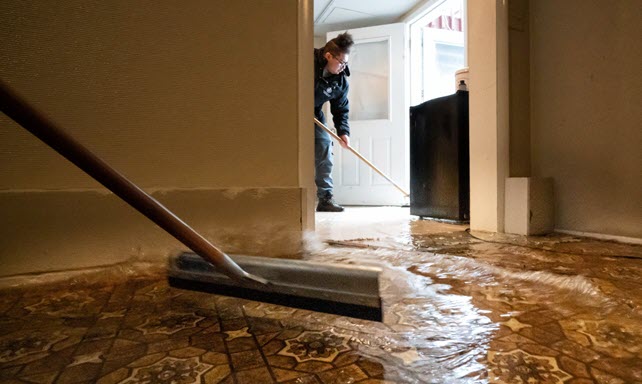
The size of the affected area and how deeply water has penetrated building materials are critical in determining repair prices. Minor incidents confined to a single room are usually less expensive than widespread damage across multiple floors. If water has soaked into walls, floors, or ceilings, restoration may involve:
- Removing and replacing drywall
- Repairing or replacing flooring
- Addressing damage to insulation and framing
Hidden moisture can lead to mold growth, which not only increases costs but also extends the restoration timeline. Early detection and prompt action are key to minimizing expenses. If you’re unsure whether your property has experienced recent or long-standing issues, this guide to identifying new versus old water damage can help clarify the situation.
Materials and Construction Complexity
The types of materials affected by water play a major role in the overall expense. Hardwood floors, custom cabinetry, and high-end finishes are more costly to repair or replace than standard drywall or laminate flooring. Additionally, older homes or those with unique architectural features may require specialized restoration techniques, increasing labor and material costs.
In some cases, water can damage electrical systems, HVAC units, or plumbing. These repairs often require licensed professionals and can add significantly to the total bill. The more complex the construction and the more specialized the materials, the higher the restoration costs will be.
Required Equipment and Drying Methods
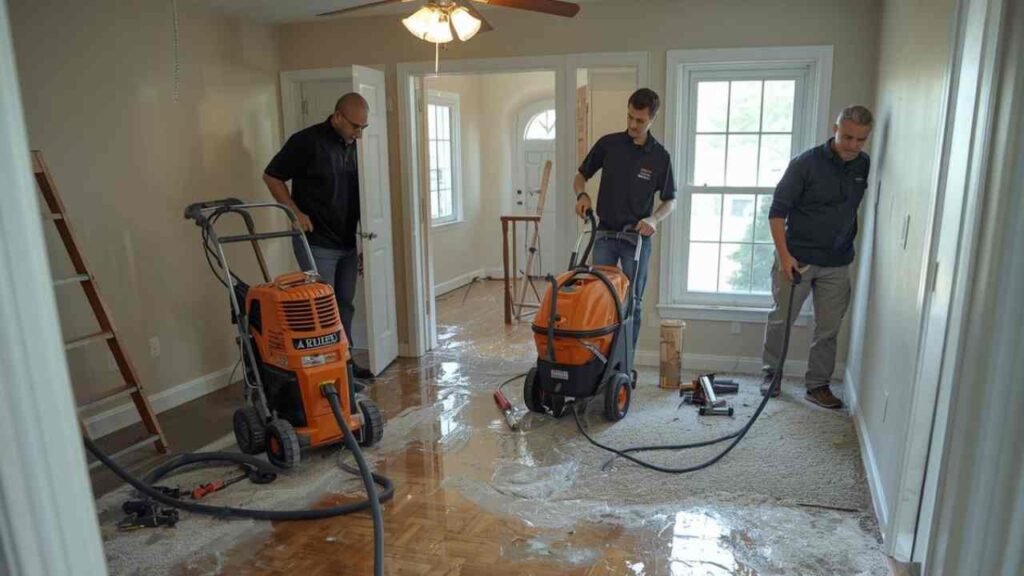
The choice of equipment and drying strategies is another important aspect influencing water damage restoration expenses. Professional-grade tools such as industrial fans for water damage restoration and air movers for water damage cleanup are often necessary to dry out affected areas quickly and thoroughly. The need for dehumidifiers, moisture meters, and specialized cleaning agents can also impact the final price.
Labor costs are affected by the time and expertise required to operate this equipment. More severe or widespread damage demands more resources, which can drive up the total cost.
Timeframe and Emergency Response
How quickly you respond to water damage can make a significant difference in both the extent of the damage and the cost of repairs. Immediate action helps prevent secondary issues like mold growth, which are more expensive to remediate. Emergency services, such as 24/7 response or after-hours work, typically come with premium rates. Delays in addressing the problem can lead to higher costs due to increased damage and the need for more extensive repairs.
Insurance Coverage and Claims Process
Insurance can be a major factor in how much you ultimately pay out of pocket. Coverage varies depending on the cause of the water damage and your specific policy. For example, sudden incidents like burst pipes are often covered, while gradual leaks or flooding from natural disasters may not be. Understanding how to file a water damage claim can help you maximize your benefits and reduce your financial burden.
Keep in mind that deductibles, policy limits, and exclusions all affect the amount your insurer will pay. Working with a reputable restoration company that can document damage and assist with the claims process can streamline your recovery and help you avoid unnecessary expenses.
Additional Factors That Influence Restoration Pricing
While the main cost drivers have been covered, several other considerations can also impact the price of water damage repairs:
- Location: Labor and material costs vary by region. Urban areas or locations with high demand for restoration services may see higher prices.
- Permits and Regulations: Some repairs require permits or must meet local building codes, adding to the overall cost.
- Extent of Contamination: If hazardous materials like asbestos or lead are present, specialized removal and remediation will increase expenses.
- Access and Logistics: Hard-to-reach areas or properties with limited access can complicate restoration and raise costs.
How to Minimize Water Damage Repair Expenses
While some factors are beyond your control, there are practical steps you can take to reduce restoration costs:
- Respond quickly to leaks and flooding to limit the spread of damage.
- Regularly inspect plumbing, appliances, and roofing for early signs of trouble.
- Maintain adequate insurance coverage and understand your policy details.
- Work with certified restoration professionals who use efficient drying and repair methods.
- Document all damage and keep records for insurance claims.
For more information on how long the restoration process might take and what to expect, see how long does water damage restoration take.
Frequently Asked Questions
What is the average cost to repair water damage in a home?
The average cost can range from a few hundred dollars for minor incidents to several thousand for extensive damage. Factors such as the type of water, affected materials, and the size of the area all play a role in determining the final price.
Does homeowners insurance always cover water damage repairs?
Not all water damage is covered by standard homeowners insurance. Coverage typically applies to sudden and accidental incidents, like burst pipes, but may exclude gradual leaks or flooding from natural disasters. Always review your policy and consult your insurer for specifics.
How can I tell if water damage is new or old?
Signs of new water damage include wet surfaces, fresh stains, and a musty odor. Older damage may show signs of mold growth, dry rot, or discoloration. For a detailed explanation, refer to this resource on distinguishing new versus old water damage.
How quickly should I start repairs after water damage occurs?
It’s best to begin cleanup and repairs as soon as possible. Delays can lead to mold growth, structural issues, and higher restoration costs. Immediate action helps minimize the extent of the damage and can reduce overall expenses.
Understanding the factors affecting water damage repair costs empowers property owners to act quickly, make informed choices, and manage restoration expenses more effectively. By staying proactive and working with experienced professionals, you can protect your investment and restore your property with confidence.