
How to File a Water Damage Claim: Step-by-Step Guide
· Ethan Williams
Dealing with water damage in your home or business can be overwhelming. Whether the issue stems from a burst pipe, a leaky roof, or flooding, knowing how to file a water damage claim with your insurance provider is crucial for a smooth recovery. Acting quickly and following the right steps can make the difference between a successful claim and unnecessary delays or denials.
This article will walk you through the process, from identifying the source and documenting the damage to working with adjusters and understanding what to expect during the claims process. If you’re also concerned about the financial aspect of restoration, it’s helpful to review resources like the water damage restoration costs guide for budgeting insights.

Recognizing the Signs and Causes of Water Damage
Before you begin the claims process, it’s important to recognize the early signs of water damage. Common indicators include stains on ceilings or walls, warped flooring, musty odors, and visible mold growth. The causes can range from plumbing failures to natural disasters. Understanding these origins helps you communicate effectively with your insurer and supports your claim’s validity.
For a deeper look at frequent sources, you can refer to this comprehensive list of common causes of water damage.
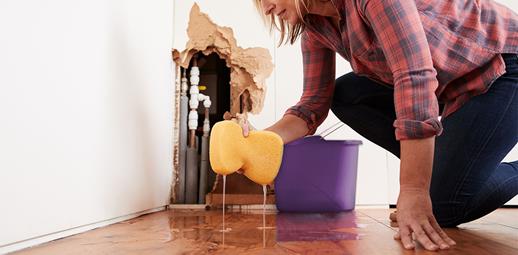
Immediate Actions After Discovering Water Damage
Once you notice water damage, acting quickly is essential. Here are the first steps to take:
- Stop the source: If possible, shut off the water supply or address the cause to prevent further damage.
- Ensure safety: Turn off electricity in affected areas to avoid hazards.
- Protect valuables: Move furniture and belongings away from the damaged area.
- Document everything: Take clear photos and videos of all affected areas, including close-ups and wide shots.
Thorough documentation is one of the most important parts of how to file a water damage claim successfully. Insurers rely on this evidence to assess the extent and cause of the damage.
Contacting Your Insurance Company
Reach out to your insurance provider as soon as possible. Most policies require prompt notification, and delays can complicate your claim. When you call, have your policy number, a description of the incident, and your documentation ready. Ask about the next steps, including whether you need to fill out specific forms or meet with an adjuster.
It’s also a good idea to keep a written record of all communications with your insurer, including dates, times, and the names of representatives you speak with.
Understanding Your Policy Coverage
Not all water damage is covered by standard homeowners or renters insurance. Typically, sudden and accidental incidents (like a burst pipe) are covered, while gradual damage or flooding may require separate policies. Review your policy documents to determine:
- What types of water damage are included or excluded
- Your deductible amount
- Coverage limits for repairs and personal property
- Any required steps or deadlines for claims
If you’re unsure, ask your insurance agent for clarification. Understanding your coverage will help you set realistic expectations and avoid surprises during the claims process.
Filing the Claim: Step-by-Step Process
Here’s a breakdown of the typical steps involved in submitting a claim for water-related losses:
- Notify your insurer immediately after discovering the damage.
- Submit documentation: Provide photos, videos, and a detailed inventory of damaged items.
- Complete claim forms: Fill out all required paperwork accurately and promptly.
- Meet with the adjuster: Your insurance company may send an adjuster to inspect the damage. Be present to answer questions and point out all affected areas.
- Get repair estimates: Obtain quotes from licensed contractors for repairs. Some insurers require multiple estimates.
- Review the settlement offer: Once your claim is processed, the insurer will provide a settlement amount. Review it carefully and ask questions if anything is unclear.
- Begin repairs: After approval, you can start repairs. Keep all receipts and records of work completed.
Staying organized and proactive throughout these steps increases your chances of a fair and timely resolution.

Tips for a Successful Water Damage Insurance Claim
Maximize your chances of a positive outcome by following these best practices:
- Act quickly: Delays can worsen damage and complicate your claim.
- Keep detailed records: Save all correspondence, receipts, and estimates.
- Communicate clearly: Be honest and thorough in your descriptions to the insurer and adjuster.
- Don’t make permanent repairs until the adjuster has inspected the property, unless necessary to prevent further loss.
- Understand your rights: If you disagree with the settlement, you may be able to appeal or request a second opinion.
For larger incidents, consider consulting a public adjuster or legal professional to help you navigate complex claims or disputes.
Restoration and Recovery After Water Damage
Once your claim is approved, focus on restoring your property. Professional restoration companies can help with water extraction, drying, mold remediation, and repairs. Using the right equipment, such as industrial fans for water damage restoration and air movers for water damage cleanup, can speed up the drying process and prevent further issues.
Timely action is also essential for health and safety. Standing water and moisture can lead to mold growth and structural problems. If you’re wondering about timelines, check out resources on how long does water damage restoration take and the water damage restoration timeline for a better understanding of what to expect.
Common Mistakes to Avoid When Filing a Claim
Many policyholders make avoidable errors that can delay or reduce their claim payout. Here are some pitfalls to watch out for:
- Failing to report promptly: Waiting too long to notify your insurer can result in a denied claim.
- Inadequate documentation: Insufficient photos or missing receipts make it harder to prove your losses.
- Discarding damaged items too soon: Keep damaged materials until the adjuster has seen them, unless they pose a health risk.
- Overlooking policy details: Not understanding exclusions or limits can lead to disappointment.
- Making unauthorized repairs: Permanent repairs before approval may not be reimbursed.
Being aware of these mistakes can help you avoid unnecessary setbacks during the claims process.
Frequently Asked Questions
What should I do immediately after discovering water damage?
First, stop the source of water if possible and ensure the area is safe. Document the damage with photos and videos, move valuables out of harm’s way, and contact your insurance provider as soon as possible.
How long does it take to process a water damage insurance claim?
The timeline varies depending on the insurer and the complexity of the claim. Simple cases may be resolved in a few weeks, while extensive damage or disputes can take several months. Prompt documentation and communication can help speed up the process.
Is mold damage covered by my insurance policy?
Coverage for mold depends on your specific policy and the cause of the mold. If the mold is a direct result of a covered water loss and you act quickly, it may be included. Gradual mold growth or neglect is often excluded. Always review your policy or consult your insurance agent for details.