
Industrial Fans for Water Damage Restoration: Buying Guide
· Ethan Williams
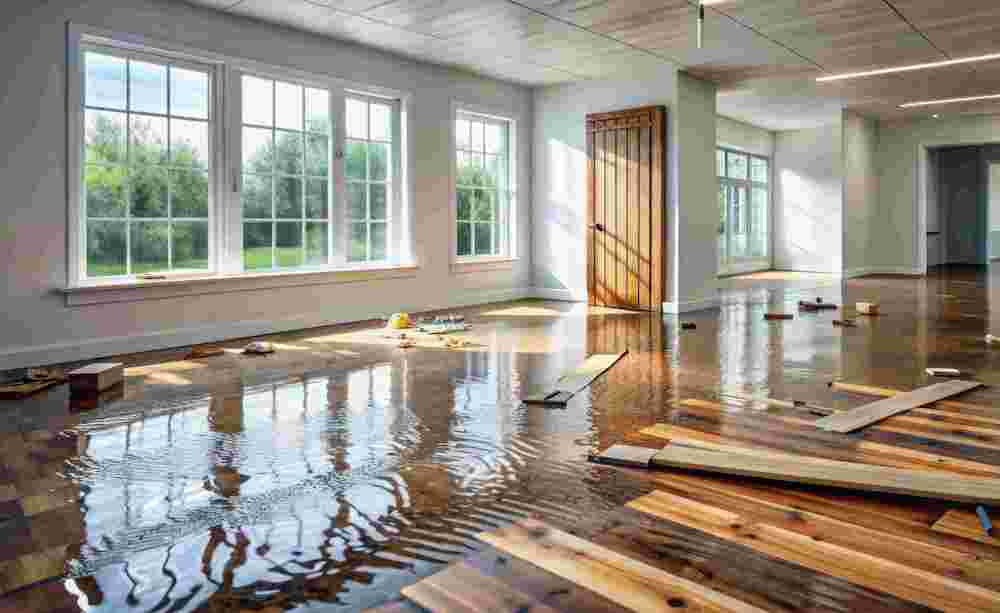
When water intrusion strikes a home or business, fast and effective drying is crucial to prevent further damage and reduce the risk of mold growth. Industrial fans for water damage restoration are essential tools in the drying process, helping professionals and property owners restore spaces quickly and efficiently. Choosing the right equipment can make a significant difference in the speed and success of any restoration project.
This guide covers the key factors to consider when selecting high-powered air movers, including fan types, performance features, and practical buying tips. Whether you’re a restoration contractor or a homeowner facing a sudden leak, understanding your options ensures you invest in the right tools for the job.
For a detailed look at the typical timeline of a restoration project, see our water damage restoration timeline resource. Understanding the sequence of steps can help you plan your equipment needs more effectively.
Why High-Performance Air Movers Are Essential
After a flood, burst pipe, or appliance leak, moisture can quickly seep into walls, floors, and structural materials. Standard household fans are rarely powerful enough to handle the volume of air movement required for rapid drying. Industrial fans for water damage restoration are engineered to deliver high airflow rates, targeting wet surfaces and accelerating evaporation. This not only speeds up drying but also helps prevent secondary issues like mold, mildew, and structural weakening.
Professional-grade air movers are a staple in the restoration industry because they:
- Move large volumes of air at high velocity
- Direct airflow precisely to affected areas
- Withstand demanding job site conditions
- Support continuous operation for extended periods
Types of Industrial Fans Used in Restoration
There are several types of air movers commonly used for drying out water-damaged spaces. Each has unique strengths and is suited for specific applications:
- Axial Fans: These are designed to move air in a straight line and are ideal for covering large, open areas. They are often stackable and lightweight, making them easy to transport and set up.
- Centrifugal Fans: These units generate high-pressure airflow and are effective at directing air under carpets, into wall cavities, and across floors. Their focused output makes them suitable for targeted drying.
- Low-Profile (Sahara) Air Movers: Compact and versatile, these fans fit into tight spaces and can be positioned in multiple orientations. They are frequently used for drying under cabinets or in crawl spaces.
Choosing the right type depends on the size of the area, the materials affected, and the specific drying challenges you face.
Key Features to Look for in Restoration Fans
When shopping for industrial fans for water damage restoration, consider the following features to ensure optimal performance and value:
- Airflow Capacity (CFM): Measured in cubic feet per minute, this indicates how much air the fan can move. Higher CFM ratings mean faster drying, especially in large or heavily saturated areas.
- Adjustable Speed Settings: Variable speed controls allow you to tailor airflow to the specific needs of each job, balancing power and energy efficiency.
- Durability: Look for rugged construction, impact-resistant housings, and sealed motors that can withstand wet, demanding environments.
- Portability: Handles, wheels, and stackable designs make it easier to move fans between rooms or job sites.
- Directional Flexibility: Some models offer multiple operating positions, enabling you to aim airflow at floors, walls, or ceilings as needed.
- Noise Level: While power is important, quieter operation can be beneficial in occupied spaces or residential settings.
Additional features like built-in GFCI outlets, daisy-chaining capabilities, and easy maintenance access can further enhance usability and safety.
How to Size and Position Air Movers for Maximum Effectiveness
Proper sizing and placement of fans are critical for efficient drying. Here are some practical guidelines:
- For small rooms (up to 300 sq. ft.), one high-velocity fan may suffice. Larger spaces or severe water damage may require multiple units.
- Position fans so that airflow travels across wet surfaces and toward exits or dehumidifiers, promoting continuous moisture removal.
- Elevate fans or angle them to direct air beneath carpets, behind baseboards, or into wall cavities as needed.
- Combine air movers with dehumidifiers to accelerate drying and control humidity levels.
For more on the drying process, see our guide to drying out a water damaged home, which outlines step-by-step strategies for homeowners and professionals.
When to Use Industrial Fans in the Restoration Process
Timing is crucial in water mitigation. Air movers should be deployed as soon as standing water has been extracted and any salvageable materials have been identified. For a breakdown of extraction equipment and procedures, review the water extraction process explained article.
Once the bulk of the water is removed, fans and dehumidifiers work together to draw out residual moisture from building materials. This phase can last several days, depending on the extent of the damage and environmental conditions.
Preventing Mold and Secondary Damage
One of the main reasons to invest in industrial fans for water damage restoration is to prevent mold growth and further deterioration. Mold can begin to develop within 24–48 hours of water exposure, especially in warm, humid conditions. By rapidly reducing moisture levels, air movers help protect both property and occupant health.
Pairing fans with proper dehumidification is essential. For more information on moisture control and mold prevention, see our resource on dehumidification after water damage.
Common Mistakes to Avoid When Buying Restoration Fans
To get the best results and value from your investment, avoid these frequent pitfalls:
- Choosing fans with insufficient airflow for the size of the affected area
- Overlooking durability and water resistance in favor of lower price
- Ignoring the importance of portability and ease of setup
- Failing to consider noise levels in residential or occupied spaces
- Not integrating fans with other drying equipment, such as dehumidifiers
Always assess your specific needs and the demands of your typical projects before making a purchase.
Signs You Need Professional-Grade Drying Equipment
Some water incidents can be managed with household tools, but many situations require the power and reliability of commercial air movers. According to these common signs of water damage, you should consider professional equipment if you notice persistent dampness, musty odors, warped flooring, or visible mold. Acting quickly with the right tools can minimize repair costs and health risks.
FAQ: Industrial Fans and Water Damage Recovery
How many air movers do I need for a typical room?
For an average-sized room (about 300 square feet), one industrial air mover is usually sufficient. Larger rooms or severe water intrusion may require two or more units to ensure even and thorough drying.
Can I use regular household fans instead of industrial models?
Household fans generally lack the power and durability needed for effective water damage recovery. Industrial fans for water damage restoration are specifically designed to move large volumes of air and withstand continuous operation in wet, demanding environments.
How long should I run air movers after water damage?
Fans should run continuously until all affected materials are completely dry. This process can take anywhere from 24 hours to several days, depending on the extent of the damage, humidity levels, and the drying equipment used. Using moisture meters can help determine when it’s safe to stop.