
Dehumidification After Water Damage: Preventing Mold Growth
· Ethan Williams
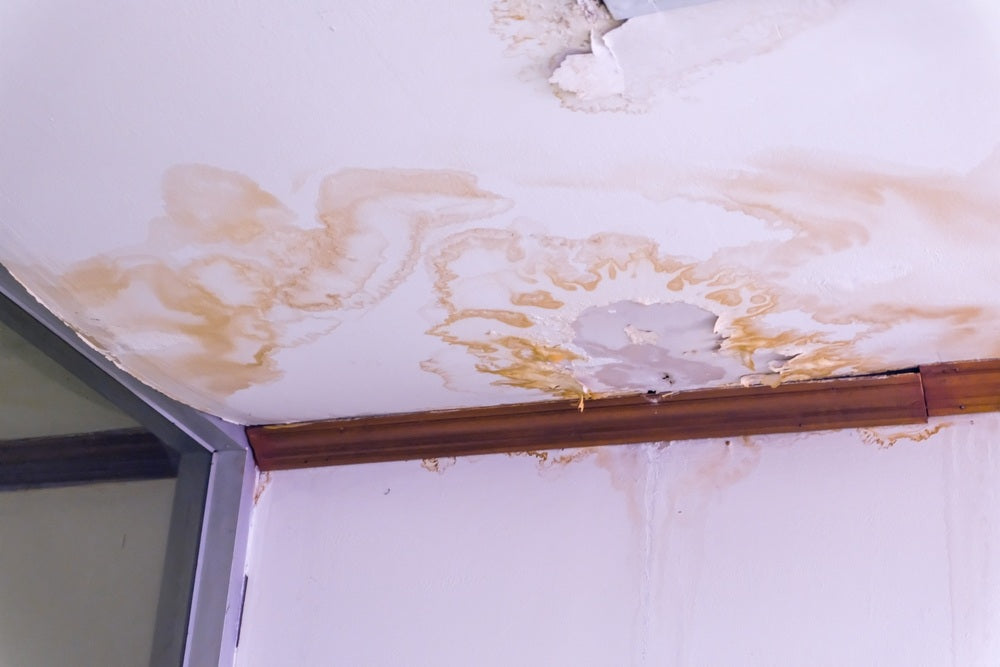
When water invades a home or business, the aftermath can be overwhelming. Whether from a burst pipe, flooding, or a leaking roof, excess moisture creates the perfect environment for mold and structural problems. Dehumidification after water damage is a critical step in the recovery process, helping to dry out affected areas and prevent long-term issues like mold growth and material deterioration.
Understanding why and how to remove moisture quickly can make the difference between a successful restoration and ongoing headaches. In this guide, we’ll explore why humidity control matters, how the process works, and practical steps for effective moisture removal.
For a deeper look at the entire restoration process, see how water damage restoration works for a behind-the-scenes perspective on professional cleanup and repair.
Why Moisture Removal Is Essential After a Water Incident
Excess water doesn’t just disappear after the visible puddles are gone. Moisture seeps into walls, floors, insulation, and even the air. If left unchecked, this lingering dampness can:
- Promote rapid mold and mildew growth, sometimes within 24–48 hours
- Cause wood to warp, swell, or rot
- Damage drywall, paint, and insulation
- Lead to musty odors and poor indoor air quality
- Attract pests and insects
Effective dehumidification after water damage interrupts these destructive processes by pulling moisture out of the air and building materials, creating an environment where mold can’t thrive.
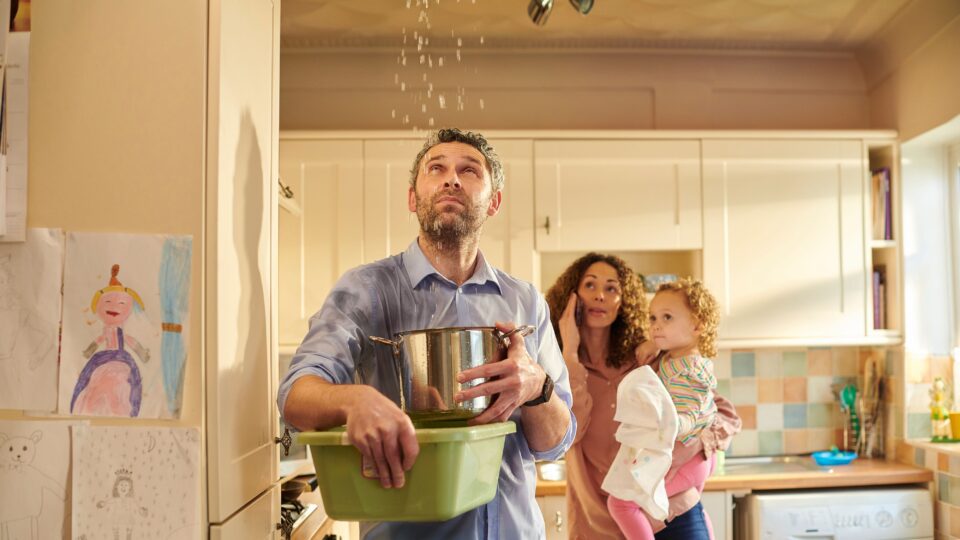
How Dehumidification Works in Water Cleanup
After extracting standing water, professionals use specialized equipment to dry out the affected areas. The main tool is the dehumidifier, which works by drawing in moist air, removing the water vapor, and releasing dry air back into the space. This accelerates evaporation from wet materials and helps restore normal humidity levels.
There are two primary types of dehumidifiers used in restoration:
- Refrigerant dehumidifiers – These cool the air to condense moisture, similar to how a refrigerator works. They are effective in moderate to high humidity environments.
- Desiccant dehumidifiers – These use absorbent materials to pull moisture from the air and are especially useful in colder conditions or when deep drying is needed.
In addition to dehumidifiers, air movers and fans help circulate air, speeding up evaporation from wet surfaces. Moisture meters and thermal imaging cameras are often used to monitor progress and ensure all hidden dampness is addressed. For more on detection, see water damage moisture detection methods used by professionals.
Preventing Mold Growth Through Proper Drying
Mold spores are everywhere, but they need moisture to grow. After a water incident, the clock is ticking—mold colonies can begin forming within 24–48 hours if conditions are right. That’s why rapid dehumidification after water damage is so important.
Key steps to reduce the risk of mold include:
- Removing standing water as soon as possible
- Using dehumidifiers and air movers to dry out all affected areas
- Monitoring humidity levels and moisture content in building materials
- Discarding porous materials (like carpet or insulation) that cannot be fully dried
- Cleaning and disinfecting surfaces to remove any spores
It’s also important to address the source of the water intrusion, whether it’s a broken pipe, roof leak, or flooding. For a list of frequent causes, see this overview of common water damage sources.
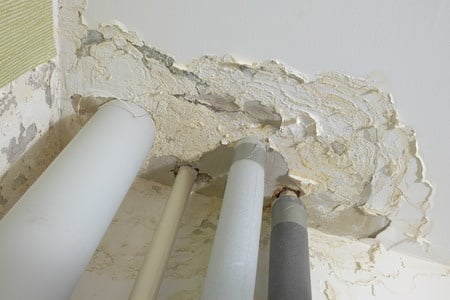
Steps for Effective Humidity Control After a Leak or Flood
Whether you’re dealing with a small leak or a major flood, the following steps can help ensure thorough drying and prevent future problems:
- Assess the extent of the damage. Use moisture meters or thermal imaging to identify all wet areas, including hidden pockets behind walls or under floors. Learn more about water damage infrared inspection and how it helps spot hidden moisture.
- Remove standing water promptly. The longer water sits, the more it soaks into materials and spreads.
- Set up dehumidifiers and air movers. Place equipment strategically to maximize airflow and drying efficiency. Keep doors and windows closed to prevent humid outside air from entering.
- Monitor progress regularly. Check humidity levels and moisture content daily. Continue drying until readings return to normal (usually below 60% relative humidity and within safe moisture levels for building materials).
- Inspect for mold and odors. If you notice musty smells or visible mold, additional cleaning or remediation may be needed.
- Dispose of unsalvageable materials. Items like soaked drywall, insulation, or carpeting may need to be removed if they cannot be fully dried and cleaned.
For a comprehensive checklist, see the water damage restoration steps used by professionals to ensure a safe and thorough recovery.
Choosing the Right Equipment for Moisture Removal
Not all dehumidifiers are created equal. Restoration-grade units are designed for high-capacity drying and can handle the demands of post-flood environments. Key features to look for include:
- High moisture removal rates (measured in pints or liters per day)
- Continuous drainage options to avoid frequent emptying
- Durability for use in challenging conditions
- Built-in humidistats for automatic operation
For homeowners, renting professional-grade equipment is often the best option. Consumer models may not have the power needed for large or severe water losses. Restoration specialists also use advanced tools like moisture meters; for a detailed overview, check the water damage moisture meter guide.
Long-Term Benefits of Proper Dehumidification
Taking the time to dry out your property thoroughly after a water event offers several lasting advantages:
- Prevents mold and mildew, protecting health and indoor air quality
- Reduces the risk of structural damage and costly repairs
- Preserves the value of your property
- Minimizes the chance of recurring odors and pest infestations
While it may be tempting to rush the process or rely on fans alone, investing in professional moisture removal pays off by safeguarding your home or business from future problems.
Frequently Asked Questions
How long does it take to fully dry a property after water damage?
The drying time depends on the extent of the damage, the materials affected, and the equipment used. Most properties require between 2–7 days of active drying with dehumidifiers and air movers. Hidden moisture in walls or subfloors may take longer to remove.
Can I use household fans and dehumidifiers instead of professional equipment?
While household fans and dehumidifiers can help in minor incidents, they often lack the power needed for significant water losses. Professional-grade equipment is designed to handle large volumes of moisture and reach deep into building materials, ensuring a thorough dry-out.
What are the signs that mold is starting to grow after a water incident?
Early signs of mold include musty odors, discoloration on walls or ceilings, and visible fuzzy or slimy patches. Mold can begin to develop within 24–48 hours if moisture is not controlled, so prompt action is essential.
Is it safe to stay in a home while dehumidification is underway?
In most cases, it is safe to remain in the property during the drying process, but the noise from equipment and increased airflow may be disruptive. If there is extensive mold or contamination, temporary relocation may be recommended until remediation is complete.