
Professional Water Damage Restoration Steps for a Safe Home
· Ethan Williams
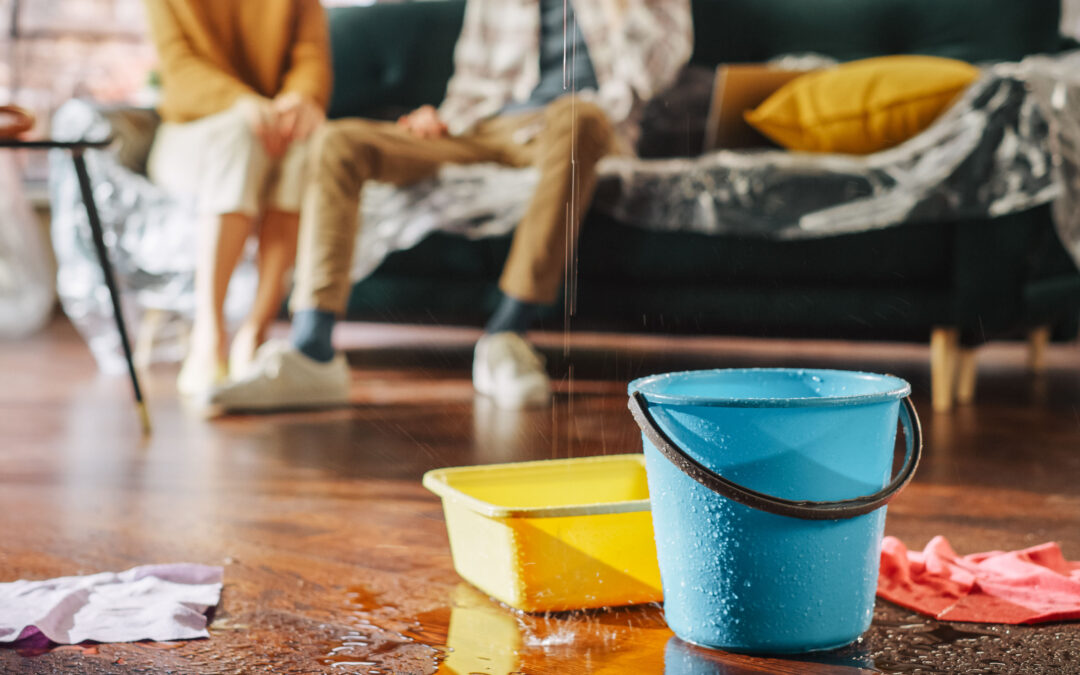
Water intrusion can cause significant harm to your property, threatening both its structure and your family's health. Whether from a burst pipe, heavy rain, or an appliance leak, acting quickly and following water damage restoration steps is crucial for minimizing loss and ensuring a safe living environment. This article breaks down the essential phases of professional restoration, offering practical advice and insights to help homeowners respond effectively when disaster strikes.
Understanding the process not only helps you make informed decisions but also prepares you to communicate clearly with restoration professionals. For a deeper look behind the scenes, you can explore how water damage restoration works and what to expect from industry experts.
Recognizing the Signs and Assessing the Situation
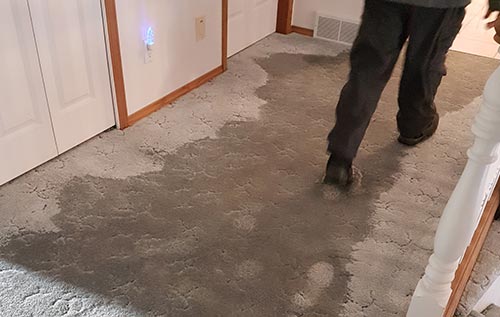
The first step in any restoration process is identifying the presence and extent of water damage. Early detection can prevent further complications such as mold growth or structural weakening. Common indicators include discoloration on walls or ceilings, musty odors, warped flooring, and peeling paint. If you notice any of these, it's vital to act promptly.
For a comprehensive list of warning signals, refer to this guide to signs of water damage on your property. Once you've identified the problem, assess the affected areas, noting the source and volume of water involved. This information will be essential for determining the appropriate response and communicating with professionals.
Initial Response: Safety and Mitigation
Before diving into cleanup, prioritize safety. Turn off electricity in affected zones to prevent electrical hazards. If the water source is a plumbing issue, shut off the main water supply. Remove valuable items and furniture from the area to prevent further loss.
Professional restoration teams often begin with these mitigation steps:
- Stopping the water source (if not already done)
- Securing the area to prevent accidents
- Documenting the damage for insurance purposes
- Setting up barriers to contain the spread of water
Quick action during this phase can significantly reduce the severity of the damage and the cost of repairs.
Inspection and Moisture Detection
After immediate risks are addressed, a thorough inspection is conducted. Restoration professionals use specialized tools to detect hidden moisture behind walls, under floors, and in ceilings. Moisture meters, infrared cameras, and hygrometers help pinpoint areas that may not be visibly wet but are at risk for mold and rot.
Understanding the importance of accurate detection, you may want to read about advanced water damage moisture detection methods used by professionals. Proper assessment ensures that all affected materials are identified and treated, preventing future issues.
Water Extraction and Removal Techniques
Once the scope of the problem is clear, the next phase involves removing standing water. High-powered pumps and industrial vacuums are commonly used for this task. The goal is to eliminate as much water as possible, as quickly as possible, to halt further deterioration.
In addition to extracting visible water, professionals may use dehumidifiers and air movers to draw out moisture trapped in building materials. This step is critical for preventing secondary damage and creating a dry environment suitable for repairs.

Drying, Dehumidification, and Monitoring
After extraction, the focus shifts to drying and dehumidifying the affected spaces. Industrial-grade equipment is deployed to remove lingering moisture from walls, floors, and air. This process can take several days, depending on the extent of the damage and the materials involved.
Continuous monitoring with moisture meters ensures that the drying process is effective. Restoration teams may adjust equipment placement or settings based on real-time readings. Proper drying is essential for preventing mold growth and ensuring the structural integrity of your home.
Cleaning, Sanitizing, and Mold Prevention
Once the area is dry, cleaning and sanitizing become the priority. Water damage often introduces contaminants, especially if the source is sewage or floodwater. Professionals use antimicrobial treatments to disinfect surfaces and prevent the spread of bacteria or fungi.
All affected materials—such as carpets, upholstery, and personal belongings—are evaluated for salvageability. Items that cannot be thoroughly cleaned or dried may need to be discarded. This step is crucial for maintaining a healthy indoor environment and preventing future mold outbreaks.
Restoration and Repairs: Returning Home to Normal
The final phase involves repairing or replacing damaged structures and finishes. This may include drywall replacement, flooring repairs, painting, and reinstalling fixtures. In some cases, extensive reconstruction is necessary to restore your home to its pre-loss condition.
Throughout this process, clear communication with your restoration provider ensures that all repairs meet safety and quality standards. If you are dealing with specific areas like bathrooms or kitchens, targeted advice is available for water damage in bathrooms and water damage in kitchens to address unique challenges in those spaces.
Why Professional Restoration Matters
While some minor water incidents can be handled by homeowners, significant damage requires professional intervention. Certified restoration teams bring expertise, specialized equipment, and proven protocols to ensure thorough recovery. They also help navigate insurance claims and provide documentation for your records.
Attempting to handle extensive water damage without proper training can lead to incomplete drying, hidden mold, and long-term structural issues. Investing in professional services protects your property and your family's well-being.
Preventing Future Water Damage
Prevention is always better than cure. Regular maintenance of plumbing systems, appliances, and roofing can help reduce the risk of future incidents. Installing water leak detectors, maintaining gutters, and inspecting vulnerable areas are practical steps every homeowner can take.
For advanced prevention, consider periodic water damage infrared inspection to catch hidden leaks before they escalate. Staying proactive not only saves money but also preserves the safety and value of your home.
Frequently Asked Questions
How long does the water damage restoration process take?
The duration depends on the extent of the damage and the size of the affected area. Minor incidents may take a few days, while severe cases involving structural repairs can last several weeks. Proper drying and monitoring are essential, so the process should not be rushed.
Can I stay in my home during restoration?
In some cases, you may be able to remain at home, especially if the damage is limited to a small area. However, if there are safety concerns, extensive repairs, or health risks from mold or contaminants, temporary relocation may be necessary. Restoration professionals can advise based on your specific situation.
What should I do immediately after discovering water damage?
First, ensure your safety by turning off electricity and stopping the water source. Remove valuables from the affected area and document the damage with photos. Contact a professional restoration service as soon as possible to begin mitigation and prevent further loss.