
How to Deal with Water Damage in Bathrooms Effectively
· Ethan Williams
Water damage in bathrooms is a common issue that can quickly escalate if not addressed promptly. Bathrooms are exposed to constant moisture from showers, sinks, and toilets, making them especially vulnerable to leaks, mold, and structural deterioration. Recognizing the early signs and knowing how to respond can save homeowners time, money, and stress.
In this guide, you'll learn how to identify the causes and symptoms of moisture problems in bathrooms, practical steps for cleanup and restoration, and essential tips for prevention. If you're also dealing with related issues in other parts of your home, you may find our article on water damage in crawl spaces helpful for a broader understanding of moisture management.

Common Causes of Moisture Problems in Bathrooms
Understanding what leads to water damage in bathrooms is the first step to prevention and effective repair. Some of the most frequent sources include:
- Leaky pipes or fixtures: Worn-out seals, loose connections, or corroded pipes can cause hidden leaks behind walls or under sinks.
- Faulty caulking or grout: Cracked or missing caulk around tubs, showers, and sinks allows water to seep into walls and floors.
- Poor ventilation: Inadequate airflow leads to condensation, which can accumulate on surfaces and promote mold growth.
- Overflowing toilets or tubs: Accidental overflows can saturate flooring and subflooring, leading to long-term issues if not dried quickly.
- Damaged waterproof membranes: Older or improperly installed shower pans and waterproofing layers may fail, letting water penetrate structural materials.
Identifying the root cause is crucial for effective remediation and to prevent recurring issues.
Recognizing the Signs of Bathroom Water Issues
Detecting water damage in bathrooms early can minimize repair costs and prevent health hazards. Look for these warning signs:
- Discoloration or stains: Yellow, brown, or dark spots on walls, ceilings, or floors often indicate moisture intrusion.
- Musty odors: Persistent damp or moldy smells signal hidden mold growth or standing water.
- Peeling paint or wallpaper: Moisture causes finishes to bubble, peel, or crack.
- Warped or soft flooring: Tiles, vinyl, or wood that feels spongy or uneven may be absorbing water.
- Mold growth: Visible black, green, or white patches on grout, caulk, or drywall are a clear sign of excess moisture.
If you notice any of these symptoms, it's important to investigate further and take action quickly.
Immediate Steps to Take When You Discover Water Damage
When you spot signs of moisture or leaks, acting fast can prevent further harm. Here’s what to do:
- Stop the source: Turn off the water supply to the affected fixture or the main shutoff valve if necessary.
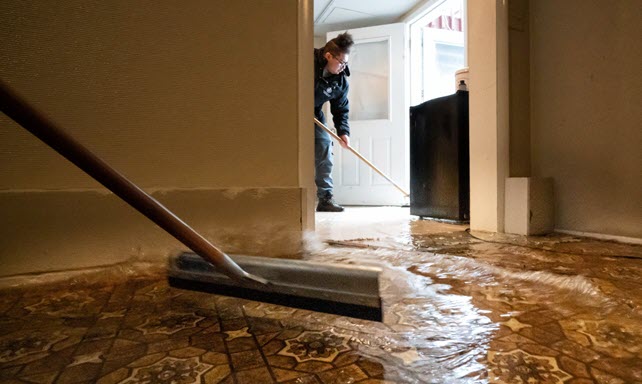
- Remove excess water: Use towels, mops, or a wet/dry vacuum to soak up standing water. The quicker you dry the area, the less likely you are to face mold or structural issues.
- Ventilate the space: Open windows and doors, and use fans or dehumidifiers to speed up drying.
- Document the damage: Take photos and notes for insurance purposes before starting repairs.
- Inspect for hidden moisture: Check behind baseboards, under flooring, and inside cabinets for signs of dampness.
For more detailed advice on distinguishing between recent and older moisture problems, see this guide to determining if you have new or old water damage.
Cleaning Up and Restoring Your Bathroom
After the initial response, thorough cleanup and restoration are essential for a safe and healthy bathroom. Here’s a step-by-step approach:
- Remove damaged materials: Discard soaked drywall, insulation, or flooring that cannot be dried or salvaged.
- Clean and disinfect: Use a solution of water and mild detergent, or a commercial disinfectant, to clean affected surfaces. This helps prevent mold and bacterial growth.
- Dry thoroughly: Continue using fans and dehumidifiers for several days. Moisture meters can help ensure hidden areas are dry.
- Repair or replace: Once dry, replace damaged drywall, flooring, or fixtures. Re-caulk and re-grout as needed to restore waterproof seals.
- Inspect plumbing: Have a professional check pipes and fittings for leaks or corrosion before closing up walls or floors.
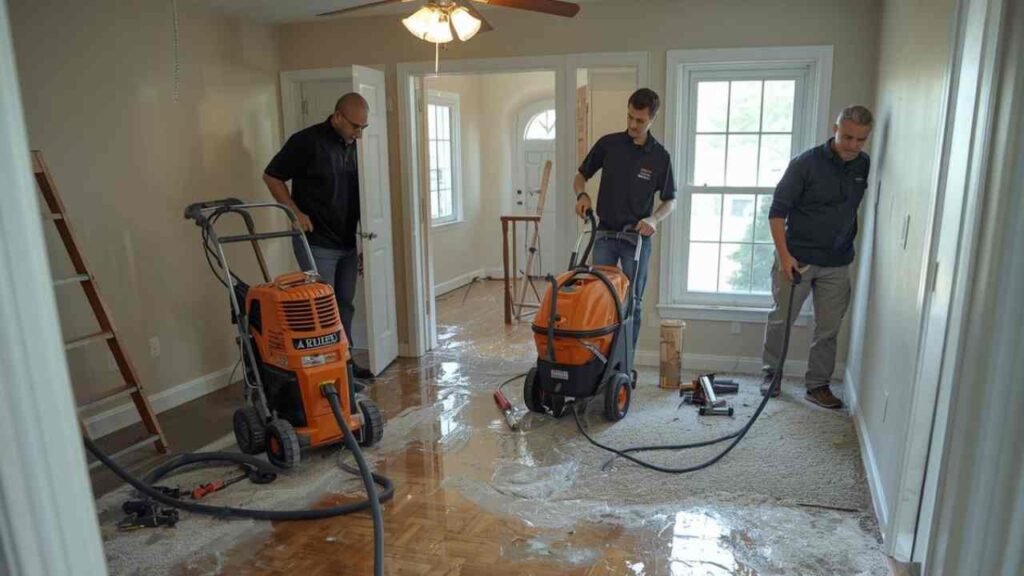
Depending on the extent of the damage, you may need to consult a restoration specialist, especially if mold is present or structural repairs are required.
Preventing Future Water Issues in Bathrooms
Prevention is key to avoiding costly repairs and health risks. Here are practical tips to keep your bathroom dry and safe:
- Seal all joints: Regularly inspect and reapply caulk around tubs, showers, and sinks to maintain watertight seals.
- Maintain grout: Repair cracked or missing grout between tiles to block water intrusion.
- Upgrade ventilation: Install or maintain exhaust fans and use them during and after showers to reduce humidity.
- Fix leaks promptly: Address dripping faucets, running toilets, and minor leaks before they worsen.
- Check plumbing annually: Have a plumber inspect pipes and fixtures for signs of wear or corrosion.
- Use water-resistant materials: Choose moisture-resistant drywall, flooring, and paint designed for high-humidity areas.
For more information on moisture management in other parts of your home, you might also be interested in our resources on water damage under floors and water damage in basements.
Related Concerns: Mold, Odors, and Structural Damage
Unresolved moisture problems can lead to secondary issues like mold growth, persistent odors, and even structural weakening. Mold not only damages surfaces but can also pose health risks, especially for those with allergies or respiratory conditions. If you notice a musty smell or visible mold, address the underlying moisture source and clean affected areas thoroughly. In severe cases, professional remediation may be necessary.
Persistent leaks can also weaken subfloors, joists, and wall studs, leading to costly repairs. Regular inspections and prompt attention to small problems can help you avoid major restoration projects down the line.
If you're dealing with similar concerns behind walls or in ceilings, our articles on water damage behind walls and water damage in ceilings provide additional guidance.
Frequently Asked Questions
What are the first signs of water damage in a bathroom?
Common early indicators include discoloration or stains on walls and ceilings, musty odors, peeling paint or wallpaper, and warped or soft flooring. Mold growth in grout lines or caulk is also a warning sign.
How can I prevent water issues in my bathroom?
Regularly inspect and maintain caulk and grout, fix leaks immediately, use exhaust fans to reduce humidity, and choose water-resistant materials for walls and floors. Annual plumbing checks can also help catch problems early.
Is it safe to clean up bathroom water damage myself?
Minor leaks and small areas of moisture can often be handled by homeowners using proper cleaning and drying methods. However, if you find extensive mold, structural damage, or contaminated water, it's best to consult a professional restoration service.