
How to Detect and Repair Water Damage Under Floors
· Ethan Williams

Hidden moisture beneath flooring is a common but serious issue for homeowners. Water damage under floors can go unnoticed for weeks or even months, leading to structural deterioration, mold growth, and expensive repairs. Recognizing the early warning signs and knowing how to address the problem can help you protect your property and avoid long-term complications.
This guide will walk you through how to spot the symptoms of subfloor moisture, the steps to take for assessment, and practical repair solutions. If you’re also concerned about related issues elsewhere in your home, you may find our resource on how to detect hidden water damage helpful for broader prevention strategies.
Common Signs of Moisture Problems Beneath Flooring
Spotting water damage under floors early is crucial for minimizing repair costs and health risks. Here are some of the most frequent indicators:
- Warped or buckling boards: Hardwood or laminate planks may lift, curve, or separate as they absorb moisture.
- Soft or spongy spots: Walking across the floor may reveal areas that feel less stable or give under pressure.
- Discoloration and staining: Dark patches, yellowing, or white residue can signal water intrusion beneath the surface.
- Persistent musty odors: A damp, earthy smell often points to mold or mildew developing below the flooring.
- Visible mold growth: In advanced cases, mold may appear along baseboards, seams, or even on the floor itself.
- Peeling or bubbling finish: Vinyl, tile, or laminate coverings may show signs of separation or bubbling as moisture accumulates.
What Causes Water Intrusion Under Flooring?
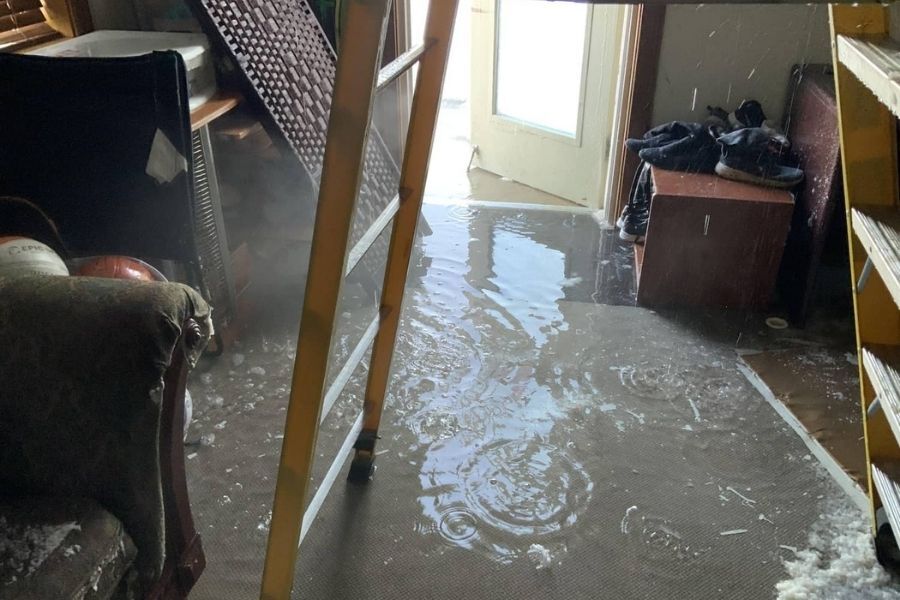
Understanding the source of moisture is essential for effective repairs. Some of the most common causes include:
- Plumbing leaks: Broken pipes, leaking appliances, or faulty fixtures can allow water to seep beneath floors.
- Flooding: Heavy rain, poor drainage, or sump pump failures may lead to water pooling under flooring materials.
- High humidity: Inadequate ventilation or persistent condensation can raise moisture levels and promote damage.
- Foundation cracks: Gaps in the foundation or slab can allow groundwater to enter and collect below floors.
- Roof or attic leaks: Water from above can travel down walls and settle under floors, especially after storms.
For more information on related issues, see our guides on water damage in ceilings and water damage from attic leaks.
How to Inspect for Hidden Floor Moisture
To confirm the presence of water beneath your flooring, follow these steps:
- Visual inspection: Look for the signs listed above, especially in areas near plumbing or exterior walls.
- Touch test: Gently press on suspicious spots to check for softness or movement.
- Check baseboards and trim: Remove a section to see if there’s discoloration, swelling, or mold on the subfloor.
- Use a moisture meter: These devices can detect elevated moisture levels in wood, concrete, or underlayment.
- Lift a small section: If safe, carefully remove a piece of flooring to inspect the subfloor and underlayment for visible damage.
If you’re unsure or the area is extensive, consider consulting a professional restoration service for a thorough assessment.
Steps to Repair Water Damage Under Floors
Once you’ve identified the problem, it’s important to act quickly to prevent further deterioration. Here’s a step-by-step approach to addressing subfloor moisture:
- Stop the source: Fix any leaks, improve drainage, or address humidity issues before starting repairs.
- Remove affected flooring: Carefully take up damaged boards, tiles, or carpet to access the subfloor.
- Dry the area: Use fans, dehumidifiers, and open windows to thoroughly dry the subfloor and surrounding materials. This may take several days.
- Assess subfloor damage: Check for rot, mold, or structural weakening. Replace any sections that are soft, crumbling, or mold-infested.
- Treat for mold: Clean all surfaces with a mold-killing solution. Wear protective gear and follow safety guidelines.
- Install new materials: Once dry and clean, replace the subfloor and reinstall the flooring. Use moisture barriers or underlayments as needed.
- Monitor for recurrence: Keep an eye on the area for any signs of returning moisture or damage.
Preventing Future Water Issues Below Flooring
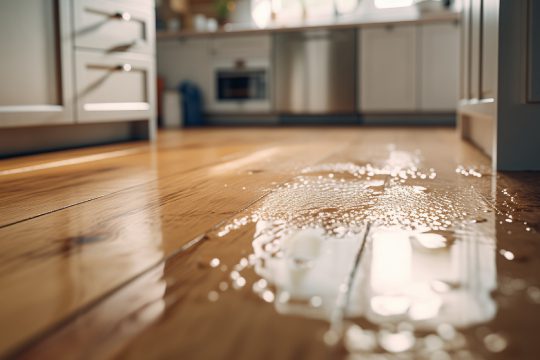
Prevention is always easier than repair. Here are some practical tips to avoid moisture problems in the future:
- Maintain plumbing: Regularly inspect pipes, appliances, and fixtures for leaks.
- Improve drainage: Ensure gutters, downspouts, and landscaping direct water away from your foundation.
- Control humidity: Use dehumidifiers in damp areas and ensure proper ventilation in bathrooms, kitchens, and basements.
- Seal gaps: Fill cracks in foundations, walls, and around windows or doors to keep moisture out.
- Choose water-resistant materials: In high-risk areas, opt for flooring types designed to withstand moisture.
For a comprehensive checklist on avoiding leaks from appliances, see our article on water damage from appliance leaks.
Health and Safety Considerations
Ignoring water damage under floors can have serious health implications. Mold and mildew thrive in damp environments, releasing spores that can trigger allergies, asthma, and other respiratory issues. Prolonged exposure may also weaken the structural integrity of your home, increasing the risk of accidents or costly repairs.
If you notice extensive mold growth or persistent dampness, it’s best to consult a professional remediation service. For more information on the health risks and signs to watch for, you can read this detailed guide on water damage warning signs.
Frequently Asked Questions
How can I tell if water is trapped under my floor without removing it?
Some signs include warped boards, soft spots, musty odors, and visible staining. A moisture meter can help detect hidden dampness without lifting the flooring. If you suspect a problem but can’t confirm visually, consider a professional inspection.
Is it safe to repair water-damaged subfloors myself?
Minor damage can often be handled by homeowners with basic tools and safety gear. However, if you encounter extensive mold, structural rot, or electrical hazards, it’s safer to hire a licensed contractor or restoration specialist.
How long does it take for a subfloor to dry after water exposure?
Drying time depends on the extent of the damage, material type, and environmental conditions. Using fans and dehumidifiers, most subfloors dry within 48–72 hours, but severe cases may require a week or more. Ensure the area is completely dry before making repairs.