
How to Detect Hidden Water Damage Before It Causes Mold
· Ethan Williams
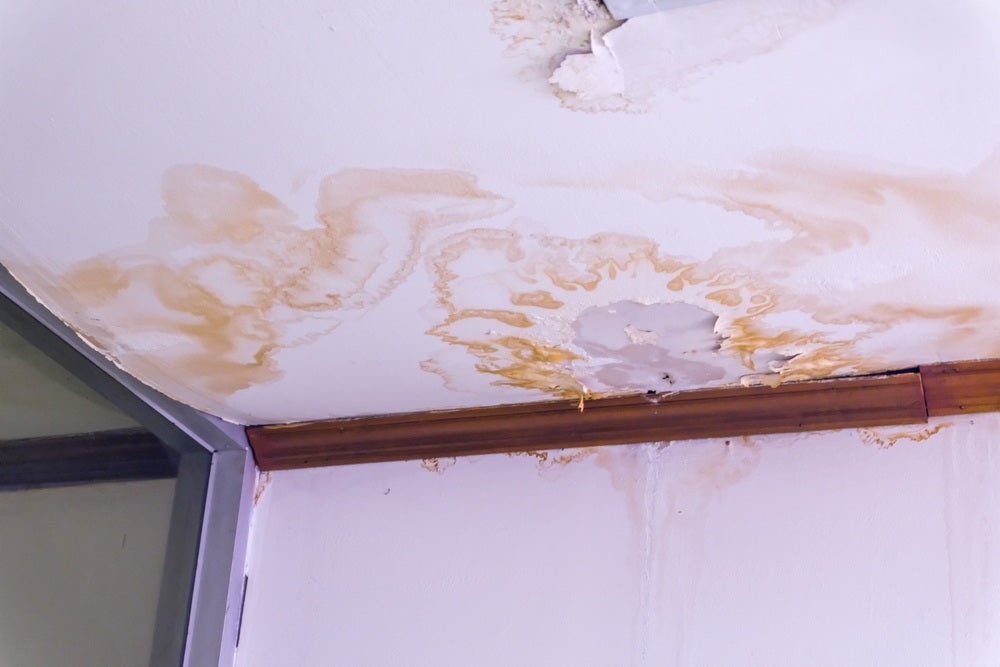
Hidden moisture problems in a home or business can lead to costly repairs and serious health issues if left unchecked. How to detect hidden water damage early is a crucial skill for property owners, as unnoticed leaks and seepage can quickly escalate into major structural issues and mold infestations. By learning to spot subtle signs and understanding where to look, you can prevent extensive damage and protect your indoor environment.
In this guide, you'll find practical strategies for identifying concealed moisture problems, common sources of leaks, and proactive steps to minimize the risk of mold growth. We'll also highlight the importance of regular inspections and provide resources for further reading, including guidance on water damage from plumbing leaks and other related topics.
Why Early Detection of Concealed Moisture Matters
Unseen water issues can develop behind walls, under floors, or in ceilings for weeks or months before becoming obvious. By the time visible signs appear, the damage may already be extensive. Early discovery of hidden leaks or seepage helps you:
- Prevent mold growth that can affect indoor air quality and trigger allergies or respiratory problems.
- Reduce repair costs by addressing small issues before they become major structural failures.
- Protect valuable belongings and furnishings from water-related deterioration.
- Maintain the integrity and value of your property.
Routine monitoring and knowing how to detect hidden water damage are essential for both homeowners and landlords.
Common Sources of Hidden Water Leaks
Understanding where water damage often starts can help you focus your inspection efforts. Some of the most frequent sources include:
- Plumbing leaks inside walls or under floors, such as from aging pipes or faulty connections.
- Roof leaks that allow rainwater to seep into attics or down interior walls.
- Appliances like washing machines, dishwashers, or water heaters that develop slow leaks over time.
- Condensation from HVAC systems or poorly insulated windows.
- Basement seepage due to poor drainage or cracks in the foundation.
For more details on specific causes, see this comprehensive overview of common water damage sources.

Key Signs of Concealed Water Problems
Detecting hidden moisture requires attention to subtle clues. Here are some of the most reliable indicators:
- Musty odors in rooms, closets, or basements, often signaling mold or mildew growth.
- Discoloration or staining on ceilings, walls, or floors, especially yellow, brown, or dark patches.
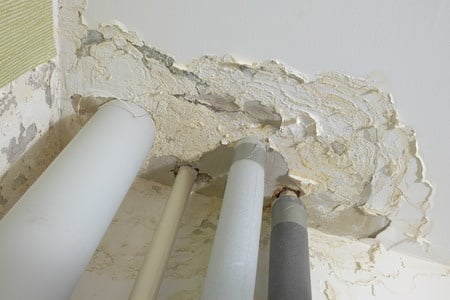
- Peeling paint, bubbling wallpaper, or warped wood surfaces.
- Unexplained increases in water bills, which may indicate a slow leak.
- Visible mold growth, even in small patches, suggests ongoing moisture issues.
- Soft or spongy spots in flooring or drywall, which may feel damp to the touch.
Pay close attention to areas near plumbing fixtures, under sinks, around windows, and in basements or crawl spaces.
How to Inspect for Hidden Water Damage
Regular inspections are your first line of defense. Here’s a step-by-step approach to uncovering concealed moisture:
- Visual examination: Look for stains, warping, or discoloration on walls, ceilings, and floors. Use a flashlight to check dark corners and behind appliances.
- Touch surfaces: Press gently on suspect areas. Softness or dampness can indicate water intrusion.
- Smell for mustiness: A persistent earthy or moldy odor often points to hidden moisture.
- Check under sinks and cabinets: Remove items and inspect for leaks, stains, or mold.
- Monitor your water meter: Turn off all water-using appliances and fixtures, then check the meter. If it continues to move, you may have a hidden leak.
- Use moisture meters: Affordable handheld devices can detect elevated moisture levels behind surfaces.
For more targeted advice, explore our guides on water damage from sump pump failure and water damage from sprinkler systems, which cover specific inspection tips for those systems.
Preventing Mold Growth After Water Intrusion
Once you’ve identified and addressed a moisture problem, it’s vital to act quickly to prevent mold. Mold can begin growing within 24–48 hours of water exposure, especially in warm, humid environments. Here’s what to do:
- Dry affected areas thoroughly using fans, dehumidifiers, and ventilation.
- Remove and discard porous materials like wet drywall, insulation, or carpeting if they cannot be completely dried.
- Clean hard surfaces with appropriate disinfectants to kill mold spores.
- Monitor the area for recurring moisture or musty odors in the following weeks.
If mold is already present or the affected area is extensive, consider hiring a professional remediation service to ensure safe and thorough cleanup.
Proactive Maintenance to Avoid Hidden Water Issues
Prevention is always more effective than repair. Incorporate these practices into your routine:
- Inspect your roof, gutters, and downspouts regularly for signs of leaks or blockages.
- Check plumbing fixtures and appliances for drips or corrosion.
- Seal windows and doors to prevent rainwater intrusion.
- Maintain proper grading around your foundation to direct water away from the building.
- Install water leak detectors or smart sensors in high-risk areas.
For seasonal risks, such as winter freezes or heavy storms, review our resources on water damage from heavy rain and water damage from frozen pipes for tailored prevention tips.
Frequently Asked Questions
What are the first signs of hidden water damage in a home?
Early indicators often include a musty smell, unexplained stains or discoloration on walls and ceilings, peeling paint, or soft spots in flooring. An unexpected spike in your water bill can also suggest a hidden leak.
How can I check for water damage behind walls without causing damage?
Use a moisture meter to scan walls for elevated moisture levels. You can also look for visual clues such as bubbling paint or warped surfaces. If you suspect a problem but can’t confirm it, consult a professional who can use thermal imaging or other non-invasive tools.
How quickly does mold grow after a water leak?
Mold can begin to develop within 24 to 48 hours of water exposure. That’s why it’s essential to address leaks and dry affected areas as soon as possible to prevent mold from taking hold.
Summary
Learning how to detect hidden water damage is an essential part of property maintenance. By staying vigilant, knowing where to look, and responding quickly to signs of moisture, you can avoid costly repairs and protect your home or business from the dangers of mold. Regular inspections, prompt repairs, and proactive maintenance are your best defenses against concealed water problems.