
Water Damage from Plumbing Leaks: Early Detection Methods
· Ethan Williams
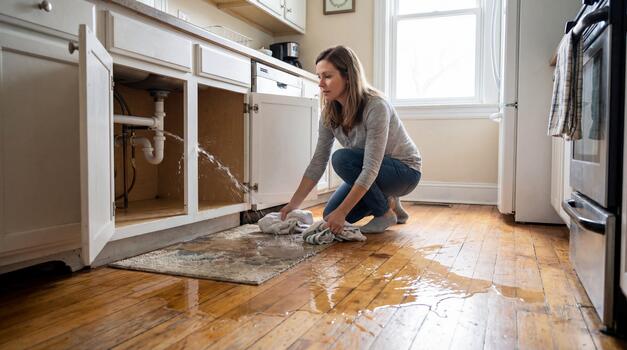
Water damage from plumbing leaks is one of the most common and costly issues homeowners face. Even a small leak can lead to extensive structural problems, mold growth, and expensive repairs if not caught early. Recognizing the signs of hidden leaks and understanding how to detect them promptly can save you significant time, money, and stress. This article explores practical strategies for identifying leaks before they escalate, helping you protect your property and maintain a healthy indoor environment.
If you’re interested in learning about other sources of moisture problems, such as water damage from heavy rain, you’ll find additional resources on our site. Now, let’s focus on how to spot and address plumbing-related water issues before they become major headaches.
Why Early Detection of Plumbing Leaks Matters
Unnoticed leaks can cause gradual but severe harm to your home’s structure, flooring, and even the foundation. The longer water is allowed to seep into materials, the greater the risk of rot, warping, and mold infestation. Early detection not only minimizes repair costs but also helps maintain indoor air quality and prevents secondary issues like pest infestations. Proactive monitoring is essential for every homeowner, especially in older properties or those with complex plumbing systems.
Common Signs of Hidden Water Damage from Plumbing Leaks
Some leaks are obvious, such as a dripping faucet or a visible puddle under the sink. However, many plumbing failures occur behind walls, under floors, or in less-trafficked areas. Watch for these subtle indicators:
- Unexplained increases in water bills: A sudden spike often signals a leak somewhere in the system.
- Musty odors: Persistent damp smells can indicate hidden moisture and potential mold growth.
- Discoloration or stains: Brown, yellow, or dark patches on ceilings, walls, or floors may point to water intrusion.
- Peeling paint or wallpaper: Moisture behind surfaces can cause finishes to bubble or peel away.
- Warped or buckling flooring: Water beneath hardwood, laminate, or tile can cause visible distortion.
- Sounds of running water: Hearing water movement when no fixtures are in use is a red flag.
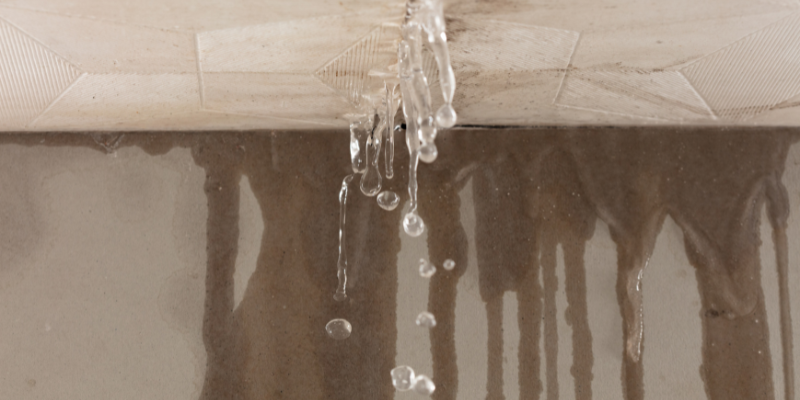
Spotting these early warning signs is your first defense against extensive property damage.
Effective Methods for Detecting Plumbing Leaks Early
There are several practical techniques homeowners can use to identify leaks before they cause widespread water damage from plumbing leaks:
1. Monitor Your Water Meter
Turn off all water-using appliances and fixtures in your home. Check your water meter and note the reading. Wait two hours without using any water, then check the meter again. If the reading has changed, there’s likely a leak somewhere in your plumbing system.
2. Inspect High-Risk Areas Regularly
Focus on locations where leaks are most likely to occur, such as under sinks, around toilets, near water heaters, and behind appliances like dishwashers and washing machines. Look for moisture, corrosion, or pooling water.
3. Use Moisture Detectors and Leak Sensors
Affordable electronic leak detectors and moisture alarms can be placed in vulnerable areas. These devices sound an alert when they sense water, giving you a chance to respond quickly before significant damage occurs.
4. Pay Attention to Water Pressure
A sudden drop in water pressure can indicate a breach in the plumbing. If you notice weaker flow from faucets or showers, investigate further or consult a plumber.
5. Check for Mold and Mildew
Mold thrives in damp, hidden spaces. If you see mold growth or smell mustiness, it’s important to trace the source and address any underlying leaks.
Preventing Long-Term Water Damage from Plumbing Leaks
Early detection is only part of the solution. Preventative maintenance can greatly reduce your risk of leaks and the resulting water damage:
- Schedule routine plumbing inspections: Have a licensed plumber check your system annually for wear, corrosion, or faulty connections.
- Replace old pipes and fittings: Aging materials are more prone to failure. Upgrade to modern, durable piping where possible.
- Insulate exposed pipes: This helps prevent freezing and bursting during cold weather.
- Know your main shut-off valve location: In case of a major leak, shutting off the water supply quickly can limit damage.
- Install smart water monitoring devices: These can alert you to abnormal water usage or leaks in real time, even when you’re away from home.

For more on related topics, you may want to explore our guides on water damage from sump pump failure or water damage from sprinkler systems.
What to Do If You Discover a Plumbing Leak
If you identify a leak, act quickly to minimize the impact:
- Shut off the water supply to the affected area or the entire house if necessary.
- Contain and remove standing water using towels, mops, or a wet/dry vacuum.
- Dry out the area with fans and dehumidifiers to prevent mold growth.
- Contact a licensed plumber for repairs, especially for leaks inside walls or ceilings.
- Document the damage with photos for insurance purposes.
Addressing leaks promptly can save you from far more extensive repairs down the road.
Comparing Water Damage from Plumbing Leaks to Other Sources
While leaks from pipes are a leading cause of water issues in homes, other sources like storms, malfunctioning appliances, and HVAC systems can also contribute. For example, water damage from water heaters or water damage from air conditioners can be just as destructive if not addressed. Each source requires unique prevention and detection strategies, but the principles of early detection and fast response remain the same.
For a detailed comparison of how to spot moisture issues in buildings, see this comprehensive guide to identifying water damage in buildings.
FAQ: Early Detection and Prevention of Plumbing Leaks
How can I tell if a leak is coming from a pipe inside the wall?
Look for signs such as damp or discolored patches on the wall, bubbling paint, or a persistent musty smell. You may also hear dripping or running water when no fixtures are in use. Moisture meters and infrared cameras can help pinpoint hidden leaks.
Are smart leak detectors worth the investment?
Yes, smart leak detectors can provide instant alerts to your phone when they sense water in vulnerable areas. They are especially useful for second homes, basements, or when you travel frequently, offering peace of mind and faster response times.
What should I do if I find mold after a plumbing leak?
If the affected area is small, clean it with appropriate cleaning solutions and dry it thoroughly. For larger infestations or if you have health concerns, contact a professional mold remediation service to ensure safe and complete removal.
By staying vigilant and using these early detection methods, you can significantly reduce the risk of water damage from plumbing leaks and keep your home safe and dry.