
Water Damage from Sprinkler Systems: Maintenance Guide
· Ethan Williams

Sprinkler systems are essential for fire safety and landscape irrigation, but they can also be a hidden source of water damage from sprinkler systems in both homes and commercial properties. Leaks, faulty installations, or accidental activations can lead to significant property damage, mold growth, and costly repairs. Understanding the risks, recognizing early warning signs, and following a consistent maintenance routine are crucial for preventing unnecessary headaches and expenses.
This guide explores the most common causes of sprinkler-related water issues, outlines practical maintenance steps, and explains what to do if you discover water intrusion. For those interested in related topics, you may also want to learn about water damage from foundation cracks, which can be another hidden source of moisture in buildings.
Common Causes of Sprinkler-Related Water Damage
While sprinkler systems are designed to protect property, several factors can turn them into a liability. Recognizing these risks is the first step toward prevention.
- Pipe Leaks: Over time, pipes can corrode, freeze, or develop cracks, causing slow leaks or sudden bursts.
- Faulty Sprinkler Heads: Damaged or misaligned heads may spray water directly onto walls, ceilings, or floors.
- Accidental Activation: Sprinklers can be triggered by heat, smoke, or even mechanical impact, releasing large amounts of water indoors.
- Poor Installation: Incorrectly installed systems may have weak joints or improper drainage, increasing the risk of leaks.
- Lack of Maintenance: Neglecting regular inspections and servicing allows small issues to escalate into major problems.
Warning Signs of Water Damage from Sprinkler Systems
Early detection is key to minimizing the impact of leaks or accidental discharges. Watch for these indicators that your sprinkler system may be causing moisture problems:
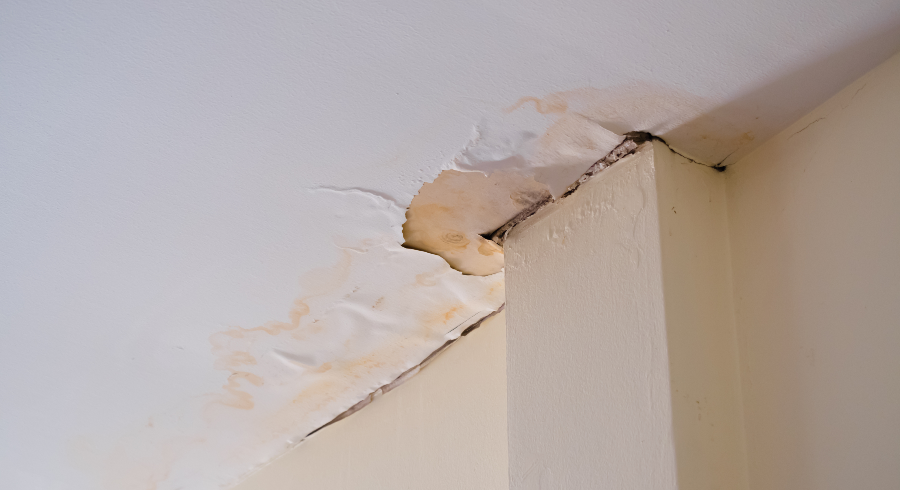
- Stains or discoloration on ceilings, walls, or floors near sprinkler heads or piping
- Peeling paint, bubbling wallpaper, or warped wood surfaces
- Musty odors, which can signal hidden mold growth
- Unexplained increases in water bills
- Visible pooling or dripping water after system activation
For more details on identifying hidden moisture, see this comprehensive guide to spotting water damage in walls.
Essential Maintenance Tips for Sprinkler Systems
Regular upkeep is the most effective way to prevent water damage from sprinkler systems. Here are practical steps every property owner should follow:
- Schedule Annual Inspections: Have a licensed technician inspect the entire system, including pipes, valves, and sprinkler heads, at least once a year.
- Test for Leaks: After each use or seasonally, check for damp spots, corrosion, or water stains around all visible components.
- Clear Obstructions: Remove dirt, debris, or vegetation that could block sprinkler heads or drainage paths.
- Replace Damaged Parts: Promptly swap out any cracked, rusted, or malfunctioning heads and pipes.
- Monitor Water Pressure: Excessive pressure can stress joints and cause leaks; use a pressure gauge to ensure levels are within manufacturer recommendations.
- Winterize Outdoor Systems: In colder climates, drain and insulate pipes to prevent freezing and bursting.

What to Do If You Discover Water Damage
If you notice signs of moisture or flooding linked to your sprinkler system, quick action can limit the extent of the damage:
- Shut Off the Water Supply: Immediately turn off the main valve to stop further leakage.
- Document the Damage: Take photos and notes for insurance purposes.
- Remove Excess Water: Use mops, towels, or a wet/dry vacuum to clear standing water.
- Dry Affected Areas: Open windows, run fans, and use dehumidifiers to speed up drying and prevent mold.
- Contact Professionals: If the damage is extensive, call a restoration company and a certified plumber to assess and repair the system.
In some cases, water intrusion may be mistaken for issues from other sources, such as water damage from dishwashers or water damage from air conditioners. Accurate diagnosis is important for proper remediation.
Insurance Considerations for Sprinkler-Related Incidents
Most standard property insurance policies cover sudden and accidental water discharge from sprinkler systems, but not gradual leaks or neglect. To ensure coverage:
- Review your policy for specific exclusions or requirements regarding sprinkler maintenance.
- Keep records of all inspections, repairs, and upgrades to demonstrate due diligence.
- Report water incidents promptly to your insurer and follow their documentation procedures.
If you’re unsure about your coverage, consult your insurance provider or a licensed agent to clarify what is and isn’t included.
Preventing Future Water Damage from Sprinkler Systems
Proactive steps can greatly reduce the risk of future incidents:
- Install water leak detectors or smart sensors near vulnerable areas.
- Upgrade to modern, corrosion-resistant piping and heads.
- Educate building occupants about the location of shut-off valves and emergency procedures.
- Schedule regular professional maintenance and keep detailed records.
For more on preventing water issues from other sources, see our guide on water damage from clogged drains.
FAQ: Sprinkler System Water Damage
How can I tell if my sprinkler system is leaking inside the walls?
Look for subtle signs like damp patches, bubbling paint, or a persistent musty smell near walls or ceilings. A sudden spike in your water bill can also indicate a hidden leak. If you suspect a problem, a professional inspection can help pinpoint the source.
Is water damage from sprinkler systems covered by insurance?
Most policies cover sudden and accidental discharges, but not damage from long-term leaks or poor maintenance. Always check your policy details and keep up with regular inspections to ensure eligibility for claims.
What should I do if my sprinkler system accidentally activates indoors?
Immediately shut off the water supply, document the scene, and start drying the area as quickly as possible. Contact a restoration company for large-scale incidents and arrange for a technician to inspect and repair the system before using it again.