
Water Damage from Clogged Drains: Prevention & Repair Guide
· Ethan Williams
Water damage from clogged drains is a common and costly problem for homeowners and property managers. When drains become blocked, water can back up and overflow, leading to structural issues, mold growth, and ruined belongings. Understanding how to spot the warning signs, prevent blockages, and respond quickly can save you significant time and expense.
This article explores the causes and consequences of drain-related water issues, practical steps for prevention, and effective repair strategies. For those interested in learning about other sources of moisture intrusion, such as water damage from foundation cracks, related guides are available for further reading.

How Blocked Drains Lead to Water Damage
Clogged drains disrupt the normal flow of wastewater away from your property. When water cannot exit through pipes as intended, it seeks alternative paths—often resulting in leaks, overflows, and seepage into walls, floors, or ceilings. The longer a blockage remains, the greater the risk of extensive property damage and costly repairs.
Common causes of drain blockages include:
- Accumulation of hair, soap scum, and grease in bathroom and kitchen drains
- Foreign objects flushed down toilets or sinks
- Tree roots infiltrating underground pipes
- Improper disposal of food waste or hygiene products
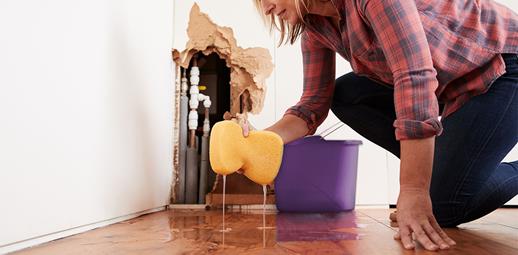
When these materials build up, they restrict water flow and can cause backups that lead to visible water stains, bubbling paint, or even flooding. If left unchecked, these issues can compromise structural integrity and create an environment ripe for mold and mildew.
Recognizing the Signs of Drain-Related Moisture Issues
Early detection is key to minimizing the impact of water damage from clogged drains. Look for these warning signs in your home or building:
- Slow-draining sinks, tubs, or showers
- Gurgling noises from pipes or drains
- Unpleasant odors coming from drains
- Water pooling around fixtures or on floors
- Stains or discoloration on ceilings and walls
- Peeling paint or wallpaper near plumbing lines
Addressing these symptoms promptly can prevent minor issues from escalating into major repairs. For example, if you notice water stains on your ceiling, it may be a sign that a blockage is causing water to back up and seep through building materials.
For more information on related problems, such as water damage from roof leaks or water damage from water heaters, explore our other resources.
Preventing Water Damage Caused by Clogged Drains
Preventative maintenance is the most effective way to avoid the headaches and expenses associated with drain blockages. Here are practical steps you can take:
- Install drain screens to catch hair, food particles, and debris before they enter pipes.
- Avoid pouring grease or oil down kitchen sinks, as these substances solidify and cause blockages.
- Flush drains regularly with hot water or a mixture of baking soda and vinegar to break down buildup.
- Dispose of hygiene products and wipes in the trash, not the toilet.
- Trim tree roots near sewer lines to prevent intrusion.
- Schedule professional inspections of your plumbing system, especially in older homes or buildings with a history of blockages.
By adopting these habits, you can significantly reduce the likelihood of water-related incidents stemming from clogged pipes.
Repairing Damage from Drain Backups
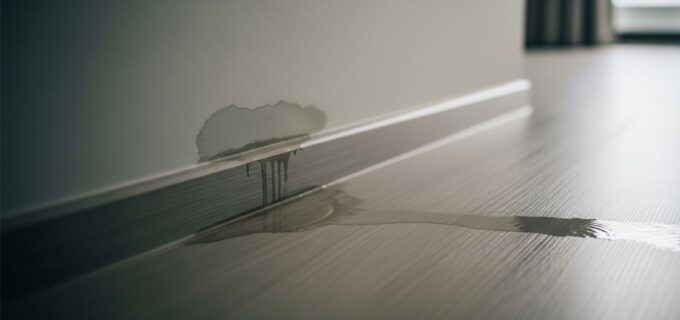
If you discover water intrusion due to a blocked drain, swift action is crucial to limit the extent of the damage. Here’s a step-by-step approach to managing the situation:
- Stop the water flow by shutting off the affected fixture or the main water supply if necessary.
- Clear the blockage using a plunger, plumbing snake, or by calling a professional plumber for severe clogs.
- Remove standing water with towels, mops, or a wet/dry vacuum to prevent further absorption into building materials.
- Dry affected areas thoroughly using fans and dehumidifiers to discourage mold growth.
- Inspect for hidden damage behind walls, under floors, or in ceilings. Water can travel far from the original source.
- Repair or replace damaged materials such as drywall, insulation, or flooring as needed.
- Sanitize the area to eliminate bacteria and prevent odors.
In severe cases, especially when black water (contaminated sewage) is involved, it’s best to consult a restoration specialist for safe and thorough cleanup.
For emergency situations like burst pipes, refer to our emergency action plan for burst pipes for detailed steps.
Health Risks and Long-Term Consequences
Water damage from drain issues is not just a structural concern—it can also pose serious health risks. Standing water and persistent dampness create ideal conditions for mold, mildew, and bacteria. These can trigger allergies, asthma, and other respiratory problems, especially in children and the elderly.
Additionally, untreated water damage can weaken wood framing, corrode metal pipes, and compromise electrical systems. Over time, these problems may lead to expensive repairs or even render parts of your property unsafe.
To learn more about the common causes of water damage and their effects, see this comprehensive overview of water damage causes.
When to Call a Professional
While minor clogs and small leaks can often be handled with DIY methods, certain situations require professional help:
- Repeated or severe drain blockages
- Water damage affecting multiple rooms or levels
- Signs of mold growth or persistent odors
- Contaminated water (sewage backups)
- Structural damage to walls, floors, or ceilings
Licensed plumbers and restoration experts have the tools and experience to diagnose, repair, and restore your property safely and efficiently.
For other sources of moisture problems, such as water damage from air conditioners, professional assessment is also recommended.
Frequently Asked Questions
What are the most common signs that a drain is causing water damage?
Typical indicators include slow drainage, water stains on ceilings or walls, musty odors, and bubbling paint or wallpaper. If you notice any of these, inspect your drains and plumbing for blockages.
How can I prevent my drains from becoming clogged?
Use drain screens, avoid disposing of grease or hygiene products in sinks and toilets, and flush drains regularly with hot water or a safe cleaning solution. Regular professional inspections can also help catch issues early.
Is water damage from clogged drains covered by insurance?
Coverage varies by policy and cause. Sudden and accidental water damage may be covered, but gradual damage due to neglect or lack of maintenance is often excluded. Review your policy and consult your insurer for details.
How quickly should I address water damage from a blocked drain?
Immediate action is essential. The longer water sits, the greater the risk of mold, structural damage, and higher repair costs. Begin drying and cleaning the area as soon as possible and contact professionals if needed.