
Water Damage from Water Heaters: Warning Signs & Solutions
· Ethan Williams

Water heaters are essential for daily comfort, but when they malfunction, the consequences can be severe. Water damage from water heaters is a common yet often overlooked risk in homes and businesses. Leaks, corrosion, and sudden failures can lead to costly repairs, mold growth, and even structural issues if not addressed promptly. Recognizing the early signs and knowing what actions to take can help you prevent extensive property loss and maintain a safe environment.
Many property owners focus on visible plumbing or roofing issues, but hidden threats from appliances like water heaters can be just as damaging. Whether you have a traditional tank or a modern tankless unit, understanding the warning signs of trouble is crucial. Early detection and timely intervention are key to minimizing the impact of leaks and failures.
If you're interested in learning about other sources of moisture issues, check out our article on water damage from foundation cracks for a broader understanding of how water can affect your property.
Common Causes of Water Heater Leaks and Failures
Understanding what leads to water damage from water heaters helps you prevent problems before they start. Several factors can contribute to leaks and malfunctions:
- Corrosion: Over time, minerals in water react with the metal tank, causing rust and weakening the structure. This can eventually lead to cracks or holes.
- Loose or Faulty Connections: Inlet and outlet pipes, as well as valves, can become loose or fail, resulting in slow drips or sudden bursts of water.
- Excessive Pressure: If the temperature and pressure relief (T&P) valve malfunctions or the thermostat is set too high, pressure can build up and force water out of the tank.
- Cracked Tanks: Age, manufacturing defects, or physical damage can cause the tank itself to crack, leading to significant leaks.
- Drain Valve Issues: The drain valve at the bottom of the tank may not close properly after maintenance, allowing water to escape.
Regular inspection and maintenance can address many of these issues before they escalate into serious water damage.
Warning Signs of Water Heater-Related Water Damage
Spotting the early indicators of trouble is essential for minimizing the impact of leaks. Here are some key warning signs to watch for:
- Puddles or Dampness: Water pooling around the base of your heater, even if small, signals a leak that needs immediate attention.
- Rusty Water: Discolored water from your taps may indicate internal corrosion in the tank.
- Unusual Noises: Rumbling, popping, or hissing sounds can suggest sediment buildup or internal damage.
- Reduced Hot Water Supply: If your water heater is not producing enough hot water, it could be due to leaks or internal failures.
- Visible Corrosion or Rust: Check for rust on the tank, pipes, or valves, which often precedes leaks.
- Higher Utility Bills: A leaking or malfunctioning heater may work harder, causing a spike in energy costs.

For more details on identifying moisture issues throughout your property, you can refer to this comprehensive guide to recognizing the signs of water damage.
Immediate Steps to Take When You Discover a Leak
If you notice any of the warning signs above, acting quickly can help limit the extent of the damage. Here’s what to do:
- Turn Off the Power: For electric heaters, switch off the breaker. For gas units, turn the gas supply valve to the off position.
- Shut Off the Water Supply: Locate the cold water shut-off valve above the heater and turn it clockwise to stop the flow.
- Drain the Tank: Use the drain valve at the bottom of the tank to empty remaining water into a floor drain or bucket, if safe to do so.
- Contain the Water: Use towels, mops, or a wet/dry vacuum to remove standing water and prevent it from spreading.
- Document the Damage: Take photos for insurance purposes and to help professionals assess the situation.
- Contact a Professional: Call a licensed plumber or water damage restoration expert for repairs and cleanup.
Quick action can prevent secondary issues like mold growth and structural deterioration.
Preventive Maintenance to Avoid Water Heater Leaks
Routine care is the best defense against unexpected leaks and failures. Here are practical maintenance tips:
- Inspect Regularly: Check your water heater and surrounding area for signs of leaks, rust, or corrosion every few months.
- Flush the Tank: Sediment buildup can accelerate corrosion. Flushing the tank annually helps maintain efficiency and prolongs the unit’s life.
- Test the T&P Valve: Lift and release the valve handle to ensure it works correctly and relieves pressure as needed.
- Replace Anode Rod: The anode rod attracts corrosive elements. Replacing it every 3–5 years can significantly extend your tank’s lifespan.
- Monitor Water Pressure: High pressure can strain your heater. Install a pressure-reducing valve if needed to keep levels within a safe range (generally 50–60 psi).
- Schedule Professional Inspections: Have a plumber inspect your system annually, especially if your heater is over five years old.
These steps can help you avoid costly repairs and unexpected disruptions.
How Water Heater Leaks Cause Structural and Health Issues
Unchecked leaks from water heaters can lead to more than just puddles. Over time, moisture can seep into floors, walls, and foundations, causing:
- Mold and Mildew Growth: Persistent dampness creates an ideal environment for mold, which can trigger allergies and respiratory issues.
- Wood Rot and Structural Weakening: Water can degrade wooden supports, drywall, and flooring, compromising the integrity of your home.
- Electrical Hazards: Water near electrical outlets or wiring increases the risk of short circuits and fire.
- Damage to Personal Belongings: Stored items near the heater may be ruined by leaks or flooding.
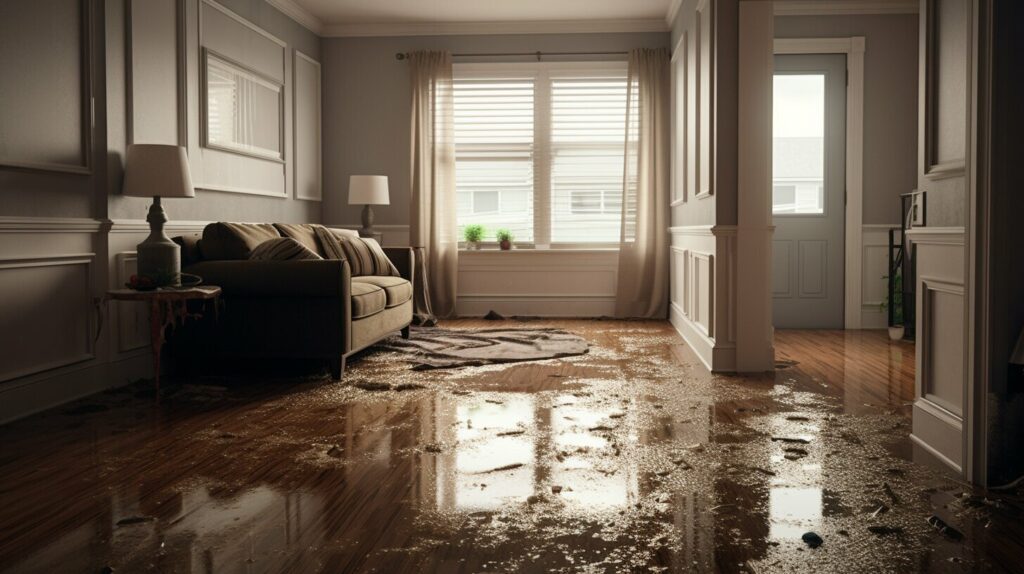
Addressing leaks promptly and thoroughly is essential for protecting both your property and your health.
When to Replace Your Water Heater
Even with diligent care, all water heaters have a finite lifespan. Knowing when to replace your unit can help you avoid unexpected failures and water damage:
- Age: Most traditional tank heaters last 8–12 years. If yours is older, consider proactive replacement.
- Frequent Repairs: Repeated leaks, rust, or performance issues signal that the unit is nearing the end of its useful life.
- Visible Corrosion: Rust on the tank or pipes indicates advanced deterioration.
- Inefficiency: Rising energy bills or inconsistent hot water suggest your heater is no longer operating efficiently.
Modern water heaters offer improved efficiency and safety features, making replacement a wise investment when your current unit shows signs of failure.
Related Water Damage Risks in the Home
While water heaters are a major source of leaks, other household systems can also contribute to moisture problems. For example, water damage from air conditioners and water damage from leaking pipes are common issues that require similar vigilance. Understanding all potential sources helps you maintain a safer, drier home.
If you suspect a leak from your roof, our resource on water damage from roof leaks provides practical steps for detection and repair.
FAQ: Water Heater Leaks and Water Damage
What should I do first if I discover my water heater is leaking?
Immediately turn off the power (electricity or gas) to the heater and shut off the water supply. Contain any standing water and contact a licensed plumber for assessment and repairs. Acting quickly can prevent further damage and reduce repair costs.
How can I tell if my water heater is causing hidden water damage?
Look for signs such as damp or warped flooring, musty odors, mold growth near the heater, or unexplained increases in your water bill. Regular inspections and prompt attention to any changes can help you catch hidden leaks early.
Is it possible to prevent all water heater leaks?
While no system is completely fail-proof, regular maintenance—including flushing the tank, testing the T&P valve, and replacing the anode rod—significantly reduces the risk of leaks. Replacing older units before they fail is also an effective preventive measure.