
Water Damage from Leaking Pipes: Detection & Repair Tips
· Ethan Williams

Water damage from leaking pipes is a common yet serious problem that can affect any property, often leading to costly repairs and long-term structural issues if not addressed promptly. Even a small, slow leak can cause extensive harm over time, damaging walls, floors, ceilings, and even the foundation of your home. Recognizing the early signs, knowing how to detect hidden leaks, and understanding the best repair strategies are essential for every homeowner or property manager.
In this guide, you'll learn how to spot the warning signs of pipe leaks, practical steps for detection, and proven repair methods to minimize the impact of water intrusion. We'll also cover prevention strategies and answer frequently asked questions to help you protect your property from the costly consequences of plumbing failures.
For those interested in related issues, such as water damage from overflowing toilets, there are additional resources available to help you address a variety of plumbing emergencies.
Recognizing the Signs of Pipe Leaks and Water Intrusion
Early detection is key to preventing extensive water damage from leaking pipes. Some signs are obvious, while others are subtle and can go unnoticed until significant damage has occurred. Here are the most common indicators to watch for:
- Unexplained increase in water bills: A sudden spike in your water usage often points to a hidden leak.
- Visible stains or discoloration: Yellow, brown, or dark patches on walls, ceilings, or floors can signal water seeping from pipes.
- Musty odors: Persistent damp or moldy smells may indicate hidden moisture behind surfaces.
- Peeling paint or wallpaper: Water intrusion causes paint and wallpaper to bubble, peel, or warp.
- Warped or buckling flooring: Hardwood, laminate, or even carpet can show signs of swelling or distortion due to underlying moisture.
- Sounds of running water: Hearing water movement when all fixtures are off is a red flag.
For a more detailed look at warning signs inside walls, see this comprehensive guide on detecting water damage in walls.
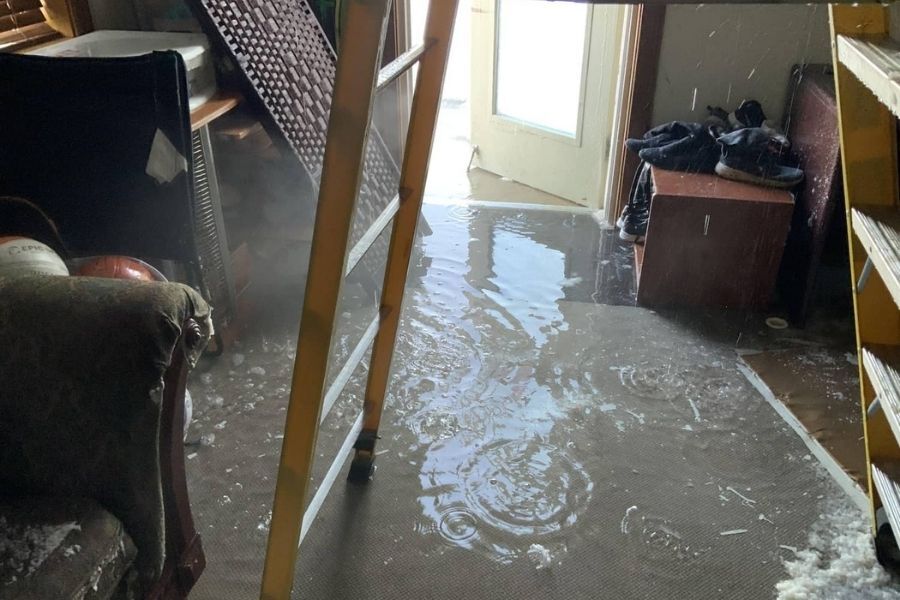
How to Detect Hidden Leaks in Your Plumbing System
Not all leaks are visible. Some occur behind walls, under floors, or in ceilings, making them harder to spot. Here are practical steps to uncover concealed plumbing issues:
- Monitor your water meter: Turn off all water fixtures and appliances. If the meter continues to move, you likely have a leak somewhere in the system.
- Check for dampness: Use your hands to feel for cool, moist spots on walls or floors, especially near plumbing lines.
- Use moisture meters: These devices can help detect elevated moisture levels in building materials, indicating a possible leak.
- Inspect crawl spaces and basements: These areas are prone to hidden leaks and may show signs of mold, mildew, or standing water.
- Look for mold growth: Mold often thrives in areas with persistent moisture, even if the leak is minor.
Professional plumbers may also use thermal imaging cameras or acoustic sensors to pinpoint the exact location of a leak without invasive demolition.
Repairing Water Damage from Leaking Pipes
Once you've identified the source, prompt action is crucial to limit further harm. Here are the main steps for addressing water intrusion caused by faulty pipes:
1. Stop the Water Source
Shut off the main water supply immediately to prevent additional flooding. If the leak is localized, you may be able to isolate the affected area using shut-off valves.
2. Remove Standing Water and Dry the Area
Use mops, towels, or a wet/dry vacuum to remove as much water as possible. Set up fans and dehumidifiers to speed up the drying process. Quick drying helps prevent mold growth and secondary damage.
3. Assess and Remove Damaged Materials
Porous materials like drywall, insulation, and carpeting may need to be removed if they are saturated. Inspect for signs of mold and discard any materials that cannot be thoroughly dried or cleaned.
4. Repair or Replace the Faulty Pipe
Depending on the extent of the damage, you may be able to patch a small leak with epoxy putty or a pipe clamp. For larger breaks, replacing the damaged section is often necessary. If unsure, consult a licensed plumber for a permanent fix.
5. Restore and Rebuild
Once the plumbing is repaired and the area is dry, replace any removed materials and restore finishes. This may include new drywall, paint, flooring, or trim.
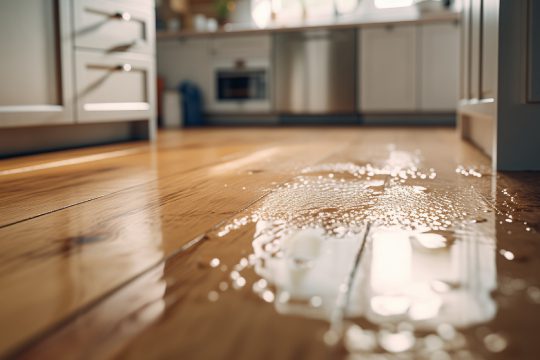
Preventing Future Leaks and Water Damage
Prevention is always better than repair. Here are some effective strategies to minimize your risk of plumbing leaks and the resulting water issues:
- Schedule regular plumbing inspections: Have a professional check your pipes, joints, and fixtures for signs of wear or corrosion.
- Insulate exposed pipes: Especially in colder climates, insulation helps prevent freezing and bursting.
- Replace old or corroded pipes: Pipes made from outdated materials such as galvanized steel are more prone to leaks and should be upgraded.
- Monitor water pressure: Excessive pressure can stress pipes and joints, increasing the risk of leaks. Install a pressure regulator if needed.
- Address minor leaks promptly: Even small drips can escalate into major problems if ignored.
For more information on related topics, you may also want to read about water damage from roof leaks and how to spot and fix them quickly.
Understanding the Impact on Property and Health
The consequences of water damage from leaking pipes extend beyond immediate repairs. Persistent moisture can weaken structural elements, reduce property value, and create an environment conducive to mold and mildew. This not only affects the integrity of your home but can also pose health risks, especially for those with allergies or respiratory conditions.
To learn more about the potential health effects, see this resource on hidden water damage health risks and how to keep your home safe.
Additionally, water-related incidents can have a significant impact on resale value. If you're concerned about your investment, consider reading about how water damage affects property value and what you can do to mitigate losses.
Frequently Asked Questions
How can I tell if a pipe is leaking behind a wall?
Common signs include visible stains, bubbling paint, musty odors, and unexplained increases in your water bill. You may also notice dampness or mold growth in specific areas. Moisture meters and thermal imaging can help confirm hidden leaks.
Is it safe to repair a leaking pipe myself?
Minor leaks, such as those at joints or accessible pipes, can sometimes be fixed with pipe clamps or epoxy. However, for larger breaks, persistent leaks, or if you are unsure of the source, it's best to consult a licensed plumber to ensure a safe and lasting repair.
How long does it take for water damage to cause mold?
Mold can begin to grow within 24 to 48 hours of water exposure, especially in warm and humid conditions. Promptly drying affected areas and removing saturated materials is crucial to prevent mold growth.
What should I do first if I discover a major leak?
Immediately shut off the main water supply to stop further flooding. Remove valuables from the affected area, begin drying out the space, and contact a professional for repairs if needed.
How can I prevent water damage from leaking pipes in the future?
Regular maintenance, prompt attention to minor issues, insulating pipes, and monitoring water pressure are all effective ways to reduce your risk. Scheduling annual plumbing inspections can also help catch problems early.