
Water Damage from Overflowing Toilets: Cleanup & Sanitation
· Ethan Williams
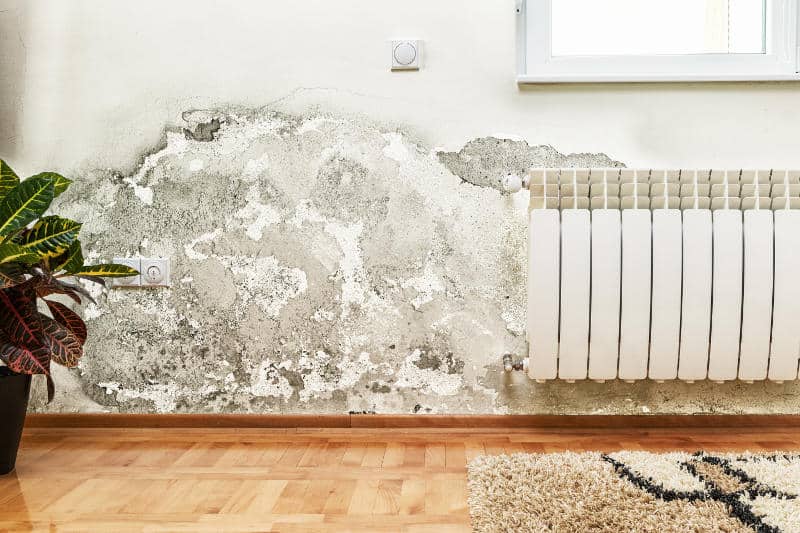
Water damage from overflowing toilets is one of the most disruptive and unsanitary problems homeowners can face. When a toilet overflows, it can quickly saturate floors, seep into walls, and even reach lower levels of your property. The resulting mess is not only unpleasant but also poses significant health and structural risks if not addressed promptly and thoroughly.
Understanding how to respond to this type of water emergency is crucial for minimizing long-term damage and safeguarding your home’s hygiene. In this article, we’ll break down the causes, immediate actions, cleanup process, and sanitation steps required to restore your living space after a toilet overflow incident.
For those concerned about the broader impacts of moisture problems, you may also want to learn about hidden water damage health risks and how they can affect your home’s safety and your family’s well-being.
Common Causes of Toilet Overflows
Before diving into cleanup and sanitation, it’s important to recognize why toilets overflow in the first place. Some of the most frequent causes include:
- Clogs in the drain line caused by excessive toilet paper, hygiene products, or foreign objects.
- Malfunctioning float mechanism that fails to shut off water flow when the tank is full.
- Sewer line backups due to tree roots, grease buildup, or collapsed pipes.
- Blocked vent pipes that prevent proper air flow, leading to slow drainage and eventual overflow.
Identifying the root cause can help prevent future incidents and guide your response if an overflow occurs again.
Immediate Steps to Limit Water Damage
When faced with an overflowing toilet, acting quickly is essential to reduce the extent of water damage from overflowing toilets. Here’s what you should do right away:
- Shut off the water supply to the toilet by turning the valve located behind the fixture clockwise.
- Remove excess water using towels, a mop, or a wet/dry vacuum. Prioritize areas where water can seep under flooring or into adjacent rooms.
- Ventilate the area by opening windows and doors to help dry out the space and reduce humidity.
- Move valuables and furniture away from the affected area to prevent further damage.
Always wear gloves and, if possible, waterproof boots to protect yourself from contaminated water.
Cleanup Process for Toilet Overflow Incidents
Cleaning up after a toilet overflow involves more than just drying the floor. Because the water is considered “gray” or even “black” water (contaminated with waste), thorough sanitation is critical. Follow these steps for effective cleanup:
- Remove standing water: Use a wet/dry vacuum or absorbent towels. Dispose of any materials that cannot be properly sanitized, such as carpeting or rugs.
- Disinfect hard surfaces: Clean floors, baseboards, and walls with a disinfectant solution. Pay special attention to corners and crevices where bacteria can linger.
- Dry the area thoroughly: Use fans, dehumidifiers, and open windows to speed up the drying process. Moisture left behind can lead to mold growth and further structural damage.
- Check for hidden moisture: Inspect under flooring, behind walls, and inside cabinets. Moisture meters can help detect dampness that isn’t visible to the eye.

If you’re unsure about the extent of the damage or suspect that water has penetrated hidden areas, it may be wise to consult a professional restoration service. Prompt action can help prevent issues like mold, which can develop quickly after a water event.
Sanitizing After a Toilet Overflow
Because toilet overflows involve contaminated water, sanitation is a critical step in the recovery process. Here’s how to ensure your home is safe and hygienic:
- Use EPA-registered disinfectants on all affected surfaces, including floors, walls, and fixtures.
- Replace porous materials such as carpeting, padding, and drywall if they have absorbed contaminated water and cannot be thoroughly cleaned.
- Wash and disinfect any items that came into contact with the water, including towels, mats, and cleaning tools.
- Monitor for odors or signs of mold growth, which may indicate lingering moisture or incomplete cleaning.
Sanitizing properly helps prevent the spread of bacteria and viruses, protecting your family’s health in the aftermath of a bathroom flood.
Long-Term Risks and Prevention Tips
Beyond the initial mess, water damage from overflowing toilets can have lasting consequences. Persistent moisture can weaken structural materials, promote mold growth, and even affect your property’s value. To reduce these risks:
- Inspect your plumbing regularly for leaks and signs of wear.
- Avoid flushing anything other than toilet paper and human waste.
- Install backflow prevention devices if you live in an area prone to sewer backups.
- Address slow drains or frequent clogs promptly to prevent future overflows.
For more on how water issues can affect your home’s worth, see this guide on water damage and property value.
It’s also important to recognize the signs of water damage on your property early, so you can take corrective action before problems escalate.
When to Call a Professional
While minor spills can sometimes be managed with household cleaning supplies, extensive flooding or contamination from toilet overflows often requires professional intervention. You should seek expert help if:
- The affected area is larger than a few square feet.
- Water has soaked into walls, subfloors, or lower levels.
- You notice persistent odors, discoloration, or mold growth.
- There is a risk of electrical hazards or structural instability.
Restoration specialists have the equipment and expertise to thoroughly dry, clean, and sanitize your home, minimizing health risks and preventing further damage. If you’re interested in how other types of plumbing failures compare, check out this article on water damage from burst pipes.
FAQs About Toilet Overflow Water Damage
How quickly should I clean up after a toilet overflow?
It’s best to start cleanup immediately. The longer water sits, the more likely it is to cause structural damage and promote mold growth. Aim to remove standing water and begin drying within the first few hours.
Can I keep carpeting that got wet from a toilet overflow?
In most cases, carpeting and padding that have absorbed contaminated water should be removed and replaced. These materials are difficult to disinfect thoroughly and can harbor bacteria and mold.
Is it safe to use bleach for sanitizing after a toilet overflow?
Bleach can be effective for disinfecting hard, non-porous surfaces, but it should be used with caution and proper ventilation. For porous materials or large affected areas, professional-grade disinfectants or restoration services are recommended.
How can I tell if water damage is causing mold?
Look for visible signs such as discoloration, black or green spots, and musty odors. Mold can begin to grow within 24–48 hours of water exposure. For more details on this topic, see our article on can water damage cause mold.