
Water Damage from Burst Pipes: Immediate Steps to Take
· Ethan Williams
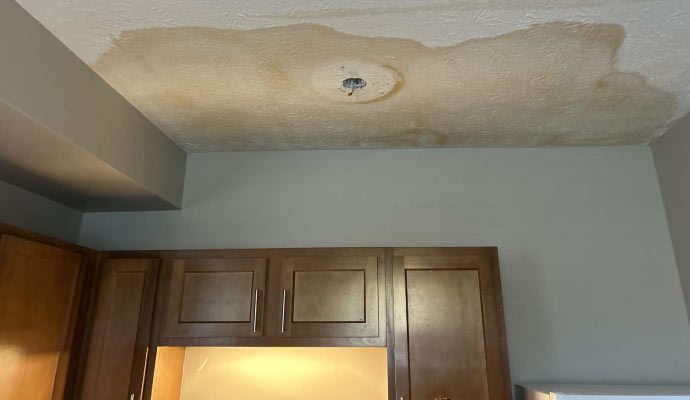
A sudden pipe burst can cause significant water damage from burst pipes, threatening the safety of your home and belongings. Quick action is essential to limit structural harm, prevent mold growth, and reduce repair costs. Understanding what to do in the first moments after discovering a burst pipe can make a major difference in the recovery process.
This guide covers the most important steps to take when you’re faced with unexpected water intrusion. You’ll also find practical advice on assessing the situation, minimizing hazards, and knowing when to call in professionals. For a deeper understanding of how moisture can impact your property over time, you may want to review the timeline of water damage appearance.
Recognizing the Signs of Pipe Bursts and Water Intrusion
Pipe failures are often sudden, but there are warning signs that can help you act quickly. Common indicators include:
- Unexplained puddles or damp spots on floors, walls, or ceilings
- Sudden drop in water pressure or no water at all
- Sounds of rushing water or hissing behind walls
- Discoloration, bubbling, or peeling paint and wallpaper
- Musty odors indicating hidden moisture
If you notice any of these symptoms, it’s crucial to investigate immediately. Early detection can prevent further water damage from burst pipes and reduce the risk of secondary issues like mold. For more subtle warning signs, the article on water damage warning signs homeowners miss provides additional insights.
First Actions to Take After Discovering a Burst Pipe
When you realize a pipe has burst, your first priority should be safety. Here’s what you should do right away:
- Shut Off the Main Water Supply: Locate your main water valve and turn it off to stop further flooding. This is typically found near the water meter or where the main line enters your home.
- Turn Off Electricity in Affected Areas: If water is near electrical outlets, switches, or appliances, shut off power to those circuits at your breaker box to prevent shock hazards.
- Move Valuables and Furniture: Remove items from the affected area to prevent further damage. Prioritize electronics, important documents, and items that are difficult to replace.
- Document the Damage: Take photos and videos of all affected areas and belongings. This documentation will be essential for insurance claims and professional restoration.
Containing and Minimizing Water Damage from Burst Pipes
Once the immediate hazards are addressed, it’s time to focus on limiting the spread of water and reducing long-term consequences:
- Remove Standing Water: Use mops, towels, or a wet/dry vacuum to soak up as much water as possible. The faster you remove water, the less likely you are to face structural issues or mold.
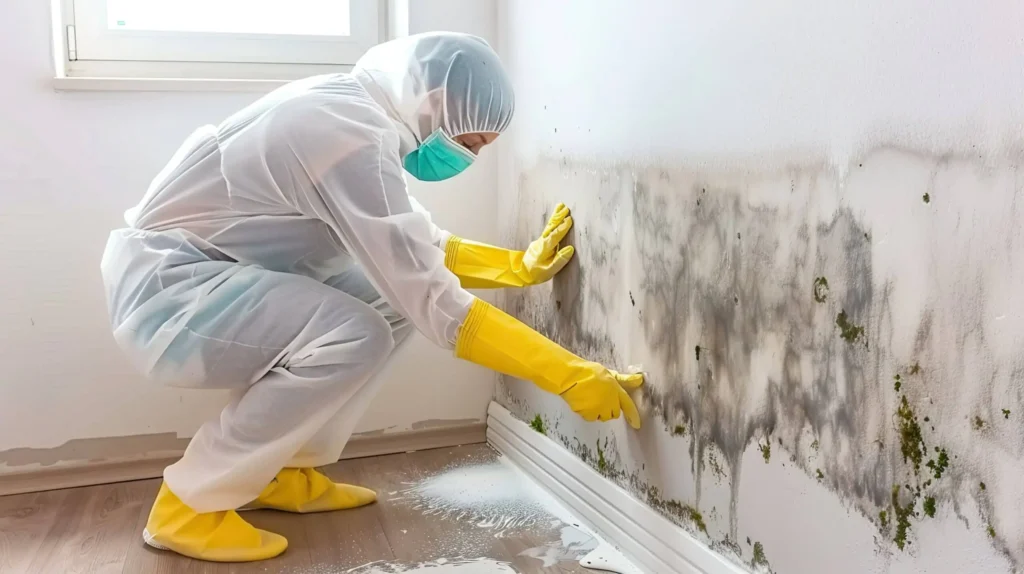
- Ventilate the Area: Open windows and doors to increase airflow. Use fans and dehumidifiers to help dry out the space. Good ventilation is key to preventing mold and further deterioration.
- Lift Carpets and Rugs: If possible, lift and remove wet carpets and rugs to allow the floor to dry thoroughly. Padding underneath may need to be replaced if saturated.
- Check for Hidden Moisture: Water can seep under floors, behind walls, and into insulation. Inspect these areas carefully, and consider using a moisture meter if available.
If you’re unsure about the extent of the problem, reviewing the complete water damage restoration process can help you understand what to expect from professional services.
When to Call Professionals for Burst Pipe Emergencies
While some minor leaks can be managed with DIY efforts, significant water damage from burst pipes often requires expert intervention. Contact a licensed plumber or water damage restoration company if:
- The leak is extensive or ongoing after shutting off the main valve
- Water has reached electrical systems or structural components
- You suspect contamination from sewage or chemicals
- Mold is visible or there is a persistent musty odor
- You’re unsure how to dry and disinfect affected areas thoroughly
Professionals have specialized equipment to extract water, dry structures, and prevent mold. They can also help with insurance documentation and repairs. For a step-by-step approach to cleaning up after such incidents, check out this water damage cleanup guide.
Understanding the Risks of Delayed Action
Delaying your response to a burst pipe can lead to severe consequences. Water can quickly weaken drywall, warp flooring, and compromise the integrity of your home’s structure. Within 24 to 48 hours, mold can begin to grow, posing health risks and complicating the cleanup process.
For more on the connection between moisture and mold, see can water damage cause mold. Acting promptly is the best way to protect your property and your family’s well-being.
Insurance and Documentation Tips for Pipe Burst Incidents
Proper documentation is crucial when filing an insurance claim for water damage from burst pipes. Here are some tips to streamline the process:
- Take clear, dated photos and videos of all affected areas and items
- Keep records of all communications with your insurance provider
- Save receipts for emergency repairs, cleaning supplies, and professional services
- Do not discard damaged items until your adjuster has seen them
- Review your policy to understand what is covered and your deductible
If you’re unsure about the causes of the incident, resources like this overview of common water damage causes can help you communicate more effectively with your insurer.
Preventing Future Water Damage from Burst Pipes
While not all pipe bursts can be prevented, there are steps you can take to reduce your risk:
- Insulate exposed pipes, especially in unheated areas like basements and attics
- Keep your home heated during cold weather to prevent freezing
- Regularly inspect plumbing for leaks, corrosion, or weak spots
- Replace old or damaged pipes before they fail
- Know the location of your main water shutoff valve and ensure all household members do as well
Routine maintenance and vigilance are your best defenses against future incidents.
Frequently Asked Questions
How quickly can mold develop after a pipe burst?
Mold can begin to grow within 24 to 48 hours of water exposure. Rapid drying and dehumidification are essential to prevent mold colonies from forming and spreading.
Will my homeowner’s insurance cover water damage from a burst pipe?
Most standard homeowner’s insurance policies cover sudden and accidental pipe bursts, but coverage may vary. Gradual leaks or lack of maintenance are often excluded. Always review your policy and consult your agent for specifics.
What should I do if water has reached electrical outlets or appliances?
Immediately shut off power to the affected area at your breaker box. Do not touch electrical devices or outlets if they are wet. Contact a licensed electrician or restoration professional to assess and repair any electrical hazards.