
Water Damage from Air conditioners: Causes & Fixes
· Ethan Williams
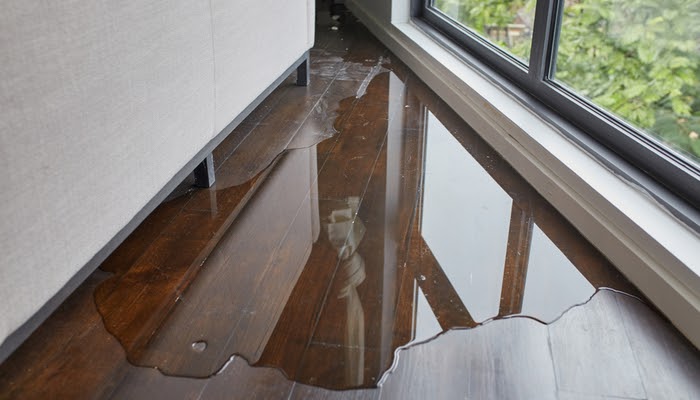
Air conditioning systems are essential for comfort, especially during hot months. However, many homeowners are surprised to discover that these appliances can sometimes be the source of significant water damage from air conditioners. Leaks, condensation, and drainage problems can lead to costly repairs and even health hazards if not addressed promptly. Understanding why these problems occur and how to fix them is crucial for protecting your property.
In this article, you'll learn about the most common reasons air conditioners cause water issues, how to spot early warning signs, and practical steps to prevent and resolve leaks. We'll also discuss what to do if water has already damaged your home and how to minimize future risks. For those interested in learning about similar household risks, our guide on water damage from washing machines offers additional insights into appliance-related leaks.
Why Air Conditioners Leak: Common Causes of Moisture Problems
Many people assume that air conditioners only cool the air, but these systems also remove humidity. As a result, they generate condensation that must be drained away safely. When something goes wrong in this process, water damage from air conditioners can occur. Here are the main culprits:
- Clogged Condensate Drain Line: The most frequent cause of leaks is a blocked drain line. Dust, dirt, and algae can accumulate, preventing water from flowing outside.
- Damaged or Rusted Drain Pan: Older units may have corroded or cracked pans, allowing water to escape and pool underneath.
- Improper Installation: If the unit isn’t level or the drain line is incorrectly positioned, water may back up and overflow.
- Frozen Evaporator Coil: Restricted airflow or low refrigerant can cause coils to freeze. When they thaw, excess water may overwhelm the drainage system.
- Disconnected Drain Line: Vibration or poor installation can cause the drain line to detach, resulting in immediate leaks.
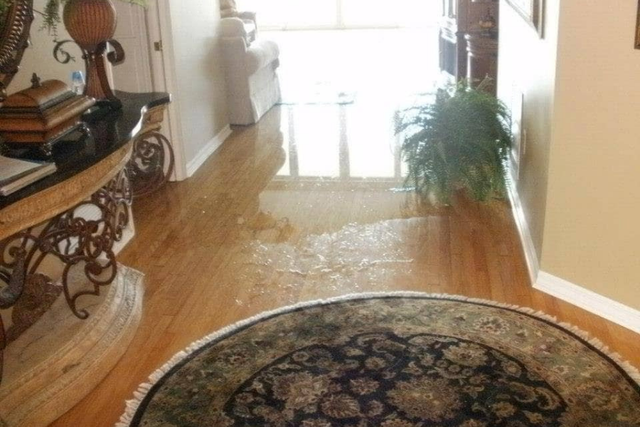
Warning Signs: How to Detect Water Issues Early
Spotting problems before they escalate can save you time and money. Look for these early indicators of leaks or moisture buildup:
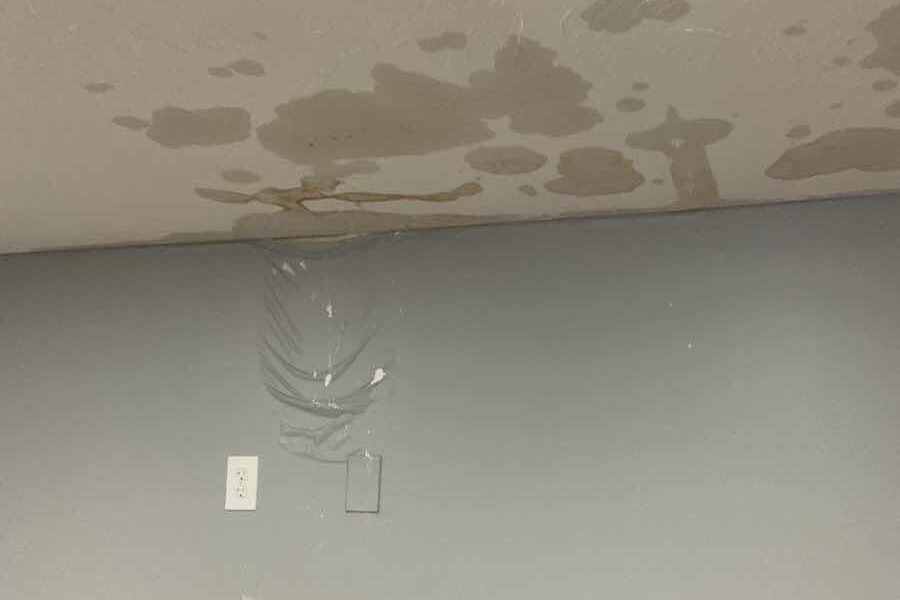
- Water stains or discoloration on ceilings, walls, or floors near the air conditioner
- Musty odors, which may signal hidden mold growth
- Visible pooling or dripping water around the indoor unit
- Unusual sounds, such as dripping or splashing inside the system
- Sudden increases in indoor humidity or allergy symptoms
For more tips on identifying hidden moisture problems, see this guide to detecting hidden water damage signs.
Preventing Water Damage from Air Conditioning Units
Prevention is always better than repair. Regular maintenance and a few simple habits can significantly reduce the risk of leaks and water-related issues:
- Schedule Annual Maintenance: Have a professional inspect and clean your system at least once a year. This includes clearing the drain line and checking the drain pan for damage.
- Change Air Filters Regularly: Dirty filters restrict airflow, which can cause coils to freeze and leak. Replace filters every 1–3 months during heavy use.
- Ensure Proper Installation: Make sure your unit is level and the drain line is securely connected and sloped downward.
- Inspect for Visible Leaks: Periodically check the area around your air conditioner for signs of moisture or pooling water.
- Install a Safety Switch: Some systems can be fitted with a float switch that shuts off the unit if the drain pan fills up, preventing overflow.
Taking these steps can help you avoid the headaches and costs associated with water damage from air conditioners.
How to Fix Leaks and Address Existing Water Damage
If you notice a leak, act quickly to minimize the impact. Here’s a step-by-step approach to resolving the issue and repairing any resulting damage:
- Turn Off the Air Conditioner: Prevent further water flow and reduce the risk of electrical hazards.
- Locate the Source: Inspect the drain line, pan, and surrounding area to identify where the water is coming from.
- Clear the Drain Line: Use a wet/dry vacuum or a plumber’s snake to remove clogs. Some homeowners flush the line with a mixture of vinegar and water to prevent algae buildup.
- Repair or Replace the Drain Pan: If the pan is rusted or cracked, install a new one to prevent future leaks.
- Dry the Affected Area: Use fans, dehumidifiers, and towels to dry out carpets, walls, and floors. Prompt drying helps prevent mold growth.
- Check for Mold: If you see or smell mold, consider hiring a professional remediation service, especially for extensive damage.
- Restore Damaged Surfaces: Replace water-damaged drywall, insulation, or flooring as needed.
For more information on dealing with other types of leaks, you may find our article on water damage from leaking pipes helpful.
Comparing Water Damage from Different Household Sources
While air conditioners are a common source of moisture problems, they’re not the only culprits in homes. Washing machines, leaking pipes, overflowing toilets, and roof leaks can all cause similar headaches. Each source has its own set of warning signs and repair strategies. For instance, water damage from overflowing toilets often requires immediate cleanup and sanitation, while water damage from roof leaks may involve roof repairs and attic inspections. Understanding the unique risks of each can help you develop a comprehensive home maintenance plan.
Frequently Asked Questions
What should I do if I find water pooling under my air conditioner?
First, turn off the unit to prevent further leakage and electrical hazards. Check the drain line and pan for clogs or damage. Clear any blockages and dry the area thoroughly. If the leak persists, contact a qualified HVAC technician for a full inspection.
Can water leaks from air conditioners cause mold?
Yes, persistent moisture from leaks can lead to mold growth within 24–48 hours. Mold can damage building materials and pose health risks. It’s important to address leaks quickly and dry affected areas to prevent mold development.
How can I prevent future water damage from my air conditioning system?
Regular maintenance is key. Schedule annual professional inspections, change air filters frequently, and keep the condensate drain line clear. Installing a safety switch and checking for visible leaks can also help catch problems early.