
Water Damage from Foundation Cracks: Risks & Repair Steps
· Ethan Williams
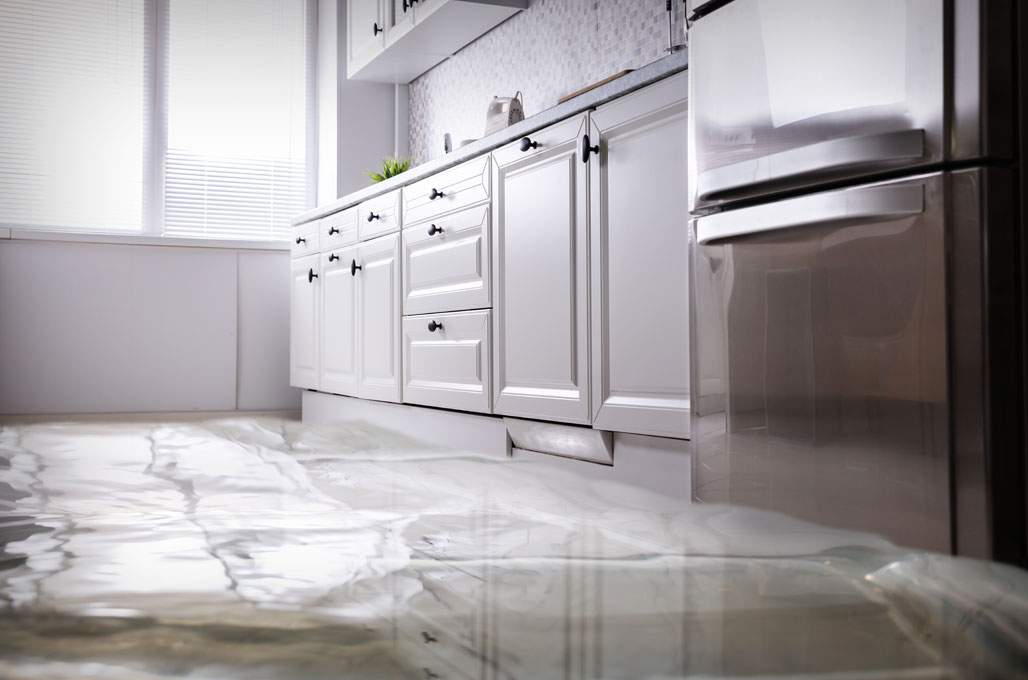
Cracks in a building’s foundation are more than just a cosmetic concern—they can be a direct pathway for moisture to enter your home, leading to significant water damage from foundation cracks. Left unchecked, this moisture can compromise structural integrity, cause mold growth, and create costly repair needs. Understanding the risks and knowing how to address them promptly is essential for homeowners and property managers alike.
Foundation cracks can develop for a variety of reasons, including soil movement, poor drainage, and natural settling over time. When water finds its way through these openings, it can seep into basements, crawl spaces, and lower levels, often going unnoticed until the damage is extensive. Early detection and intervention are key to preventing further deterioration and maintaining a healthy living environment.
For those interested in understanding how water issues can arise from other sources, our article on water damage from leaking pipes provides additional insights into detection and repair strategies.
Common Causes of Foundation Cracks and Moisture Intrusion
Before addressing repairs, it’s important to recognize what leads to foundation cracks and why they allow water to penetrate. Some of the most frequent causes include:
- Soil Expansion and Contraction: Changes in soil moisture levels can cause the ground beneath a foundation to shift, resulting in cracks.
- Poor Drainage: Ineffective grading or clogged gutters can direct water toward the foundation, increasing hydrostatic pressure and the likelihood of cracking.
- Tree Roots: Large trees planted too close to a building can disturb the soil and foundation as roots grow.
- Construction Deficiencies: Inadequate reinforcement or improper curing of concrete can make foundations more susceptible to cracking.
Once cracks form, they create a direct route for water to enter, especially during heavy rain or rapid snowmelt. This can lead to persistent dampness, standing water, and a host of related issues.
Risks Associated with Water Seepage Through Foundation Cracks
Allowing water to infiltrate through foundation cracks can have serious consequences for both the structure and the health of occupants. Some of the most significant risks include:
- Structural Weakening: Persistent moisture can erode concrete and mortar, weakening the foundation and potentially leading to uneven floors, wall cracks, or even collapse in severe cases.
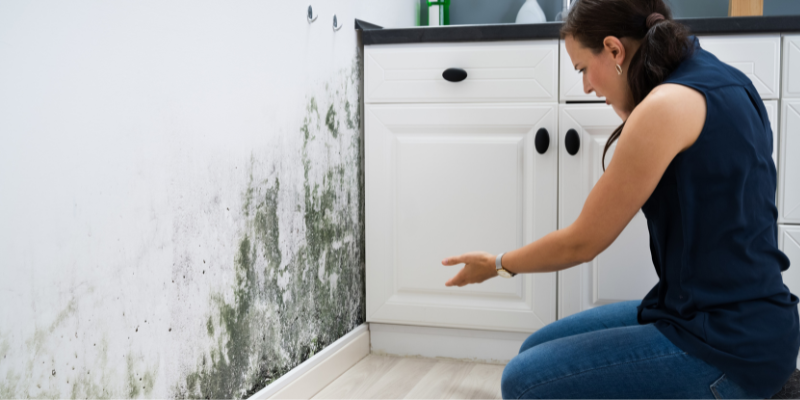
- Mold and Mildew Growth: Damp environments are ideal for mold, which can spread quickly and pose health risks, especially for those with allergies or respiratory issues.
- Damage to Finishes and Belongings: Water intrusion can ruin flooring, drywall, insulation, and personal possessions stored in basements or lower levels.
- Increased Pest Activity: Moisture attracts insects and rodents, which may find their way inside through foundation cracks.
- Decreased Property Value: Visible signs of water damage or a history of foundation issues can deter buyers and reduce resale value.
For a broader look at the underlying factors that contribute to water-related problems, the common causes of water damage article provides a comprehensive overview.
How to Identify Water Damage from Foundation Cracks
Early detection is crucial for minimizing the impact of moisture intrusion. Homeowners should regularly inspect their property for signs that water is entering through the foundation. Key indicators include:
- Visible Cracks: Look for horizontal, vertical, or stair-step cracks in basement walls or floors.
- Dampness or Water Stains: Discoloration, peeling paint, or efflorescence (white powdery residue) on walls can signal moisture issues.
- Musty Odors: Persistent damp smells often indicate hidden moisture and potential mold growth.
- Pooled Water: Standing water or damp spots after rain are clear signs of infiltration.
- Warped or Buckled Flooring: Moisture beneath floors can cause them to lift or become uneven.
Regularly checking these areas, especially after heavy rainfall, can help catch problems before they escalate.
Steps to Repair and Prevent Further Water Damage
Addressing water damage from foundation cracks involves both immediate repairs and long-term prevention. Here’s a practical approach:
- Assess the Severity: Determine whether the cracks are minor (hairline) or significant (wider than 1/4 inch). Larger cracks or those accompanied by shifting walls may require professional evaluation.
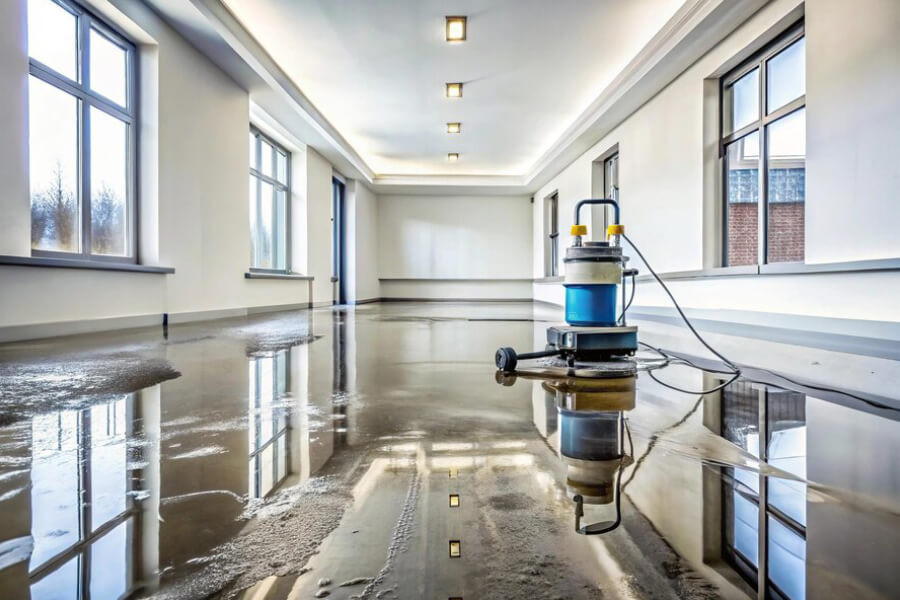
- Clean and Dry the Area: Remove any standing water and dry out the affected space using fans or dehumidifiers. This helps prevent mold and prepares the area for repair.
- Seal the Cracks: For small cracks, use hydraulic cement or epoxy injections to seal openings and prevent further water entry. Follow manufacturer instructions for best results.
- Improve Drainage: Ensure gutters and downspouts direct water away from the foundation. Adjust landscaping to slope away from the building.
- Install a Sump Pump or French Drain: In areas prone to flooding, these systems can help manage groundwater and reduce pressure on the foundation.
- Monitor for Recurrence: Continue to inspect the foundation and basement regularly, especially after storms.
- Consult a Professional: If cracks are extensive or repairs do not resolve the issue, seek help from a structural engineer or foundation specialist.
Preventive Measures for Long-Term Protection
While repairing existing cracks is essential, preventing new ones is just as important for protecting your property from future issues. Consider these strategies:
- Maintain Consistent Moisture Levels: Avoid dramatic changes in soil moisture by watering the foundation area during dry spells and ensuring proper drainage during wet periods.
- Regular Inspections: Schedule annual checks of your foundation, especially if your area is prone to shifting soils or heavy rainfall.
- Address Plumbing Leaks Promptly: Leaking pipes can saturate soil and contribute to foundation movement. For more on this, see our guide on water damage from washing machines.
- Install Root Barriers: If you have large trees near your home, root barriers can prevent roots from disturbing the foundation.
- Upgrade Waterproofing: Consider applying waterproof coatings to exterior foundation walls or installing vapor barriers in crawl spaces.
Related Water Intrusion Issues
Foundation cracks are just one of several ways water can enter a home. Other common sources include roof leaks, overflowing toilets, and burst pipes. Each requires a unique approach to detection and repair. For example, our resources on water damage from roof leaks and how to handle a burst pipe offer step-by-step guidance for those situations.
By understanding the full range of potential water entry points, homeowners can develop a comprehensive maintenance plan that reduces the risk of costly damage and keeps their property safe year-round.
Frequently Asked Questions
How can I tell if a foundation crack is causing water damage?
Look for signs such as damp spots, water stains, musty odors, or visible mold near the crack. If you notice water pooling after rain or see white powdery residue (efflorescence) on basement walls, it’s likely that moisture is entering through the foundation.
Are all foundation cracks a cause for concern?
Not all cracks are serious, but any crack that allows water to enter should be addressed promptly. Hairline cracks may be cosmetic, but wider or growing cracks can signal structural issues and should be evaluated by a professional.
What is the best way to repair a crack that is letting in water?
For minor cracks, sealing with hydraulic cement or epoxy is effective. For larger or recurring cracks, consult a foundation specialist who may recommend structural repairs or advanced waterproofing solutions. Always address the underlying cause, such as poor drainage, to prevent future problems.