
Water Damage from Dishwashers: How to Spot & Fix Leaks
· Ethan Williams
Dishwashers are a modern convenience in most homes, but when they malfunction, the consequences can be costly. Water damage from dishwashers is a common issue that often goes unnoticed until significant harm has occurred. Leaks can develop slowly or suddenly, leading to warped floors, mold growth, and even structural problems. Understanding how to identify the warning signs and address them promptly can save you time, money, and stress.
Many homeowners are surprised to learn that dishwasher leaks are among the leading causes of hidden water damage in kitchens. Whether it’s a worn-out gasket, a loose connection, or a cracked hose, even a small drip can escalate into a major problem if ignored. Early detection and timely repairs are crucial for minimizing the impact and avoiding the need for extensive restoration.

If you’re interested in learning about other sources of home water intrusion, check out our guide on water damage from foundation cracks for more insights.
Common Causes of Dishwasher Leaks
Several issues can lead to leaks beneath or around your dishwasher. Knowing what to look for can help you prevent water damage from dishwashers before it becomes severe. Here are some of the most frequent culprits:
- Worn Door Gasket: The rubber seal around the dishwasher door can deteriorate over time, allowing water to escape during cycles.
- Loose or Damaged Hoses: Supply and drain hoses may crack, loosen, or disconnect, resulting in leaks under the appliance.
- Faulty Water Inlet Valve: If the valve that controls water flow into the dishwasher fails, it can cause overfilling and leakage.
- Improper Installation: Incorrect leveling or poorly connected plumbing can lead to pooling water and eventual damage.
- Clogged Filters or Drains: Blockages can cause water to back up and overflow onto the floor.
How to Identify Water Damage from Dishwashers
Detecting issues early is key to limiting the extent of any harm. Here are some signs that may indicate a leak or moisture problem related to your dishwasher:
- Discoloration or Warping: Look for changes in your kitchen flooring, such as staining, buckling, or soft spots near the appliance.
- Mold or Mildew: Persistent dampness can encourage mold growth, which may appear as dark patches or cause a musty odor.
- Visible Water: Puddles or dampness under or around the dishwasher after a cycle are clear warning signs.
- Unusual Sounds: Gurgling or dripping noises during operation could indicate a hidden leak.
- Cabinet Damage: Swelling, peeling, or discoloration of nearby cabinetry often points to ongoing moisture exposure.
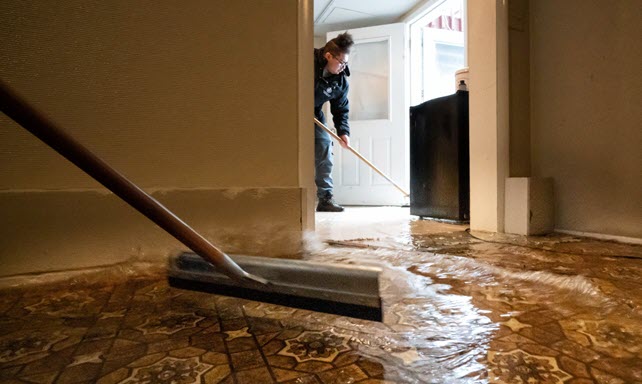
If you’re unsure whether you’re dealing with a recent leak or an older issue, you may find it helpful to review tips for distinguishing new versus old water damage.
Steps to Take When You Discover a Leak
Acting quickly can make all the difference when it comes to minimizing dishwasher water damage. Here’s what you should do if you notice a problem:
- Turn Off the Water Supply: Shut off the valve supplying water to the dishwasher to prevent further leakage.
- Unplug the Appliance: For safety, disconnect the dishwasher from its power source before inspecting or moving it.
- Remove Standing Water: Mop up any visible water immediately to reduce the risk of floor and cabinet damage.
- Inspect for the Source: Check hoses, connections, and the door seal for obvious signs of wear or breakage.
- Dry the Area: Use fans or a dehumidifier to speed up drying and discourage mold growth.
- Document the Damage: Take photos for insurance purposes, especially if repairs or replacements are needed.
DIY Fixes for Minor Dishwasher Leaks
Some minor leaks can be addressed without professional help, especially if you catch them early. Here are a few simple repairs you can try:
- Replace the Door Gasket: If the seal is cracked or brittle, purchase a compatible replacement and install it according to the manufacturer’s instructions.
- Tighten Connections: Use a wrench to snug up loose hose fittings, but avoid over-tightening, which can cause damage.
- Clear Blockages: Remove and clean the dishwasher filter and check the drain hose for clogs.
- Level the Appliance: Use a bubble level to ensure the dishwasher sits evenly, which helps prevent water from pooling at the door.
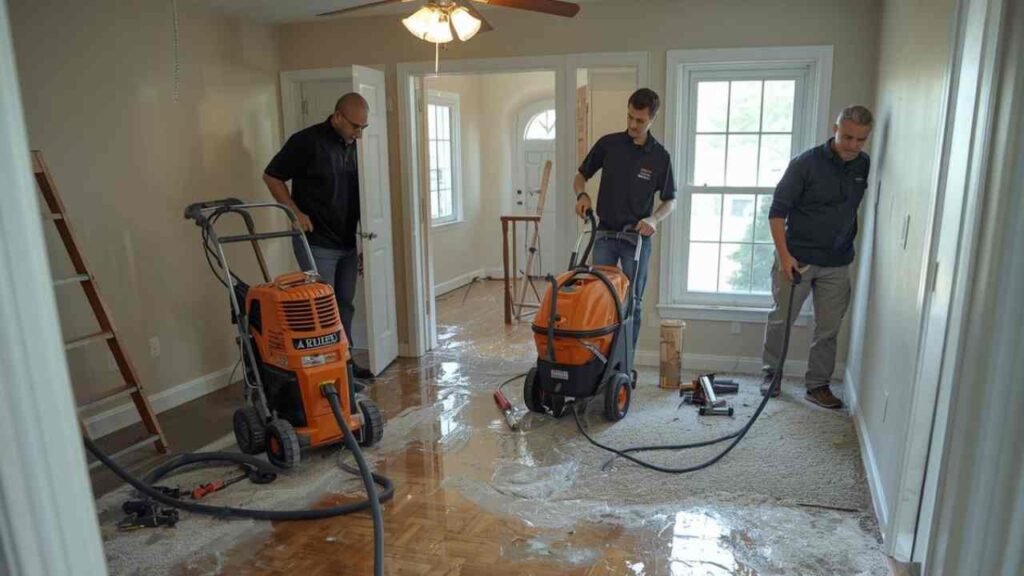
For more complex repairs or if you’re unsure about the source of the leak, it’s best to consult a qualified appliance technician or plumber.
When to Call a Professional
While some issues can be handled with basic tools and a little know-how, certain situations require expert attention. Consider contacting a professional if:
- The leak persists after basic troubleshooting.
- You notice extensive mold, rot, or structural damage.
- There’s evidence of electrical issues or burning smells.
- The dishwasher is still under warranty and DIY repairs could void coverage.
Professionals can assess hidden damage, recommend restoration steps, and ensure your kitchen is safe and dry. If you’re dealing with water-related emergencies in other parts of your home, our resource on how to handle a burst pipe offers practical advice for urgent situations.
Preventing Water Damage from Kitchen Appliances
Prevention is always better than cure, especially when it comes to water damage from dishwashers. Here are some proactive steps to keep your kitchen safe:
- Inspect Regularly: Check hoses, seals, and connections at least twice a year for signs of wear or leaks.
- Replace Old Parts: Don’t wait for a failure—replace hoses and gaskets every five years or as recommended by the manufacturer.
- Use the Right Detergent: Only use detergents designed for dishwashers to prevent excess suds and overflow.
- Run Full Loads: Avoid overloading or running the dishwasher half-empty, which can strain components and increase leak risk.
- Monitor During Operation: Occasionally observe a cycle to catch leaks early, especially after installation or repairs.
Staying vigilant and performing routine maintenance can help you avoid the headaches associated with appliance leaks. If you want to learn more about related risks, our article on water damage from water heaters covers another common source of household moisture problems.
Frequently Asked Questions
How can I tell if my dishwasher is leaking under the floor?
Signs such as warped or discolored flooring, persistent musty odors, or unexplained moisture near the appliance may indicate a hidden leak. If you suspect water is seeping beneath the floor, it’s important to inspect promptly and consider professional help to prevent further damage.
Is dishwasher water damage covered by homeowners insurance?
Coverage depends on your policy and the cause of the leak. Sudden and accidental leaks are often covered, but gradual damage from neglected maintenance may not be. Always document the issue and contact your insurer for guidance.
How quickly should I address a dishwasher leak?
Immediate action is recommended. The longer water sits, the greater the risk of mold, rot, and structural harm. Turn off the water supply, clean up any standing water, and begin troubleshooting or call a professional as soon as possible.
Conclusion
Leaking dishwashers can cause significant harm if left unchecked, but early detection and prompt repairs can prevent costly restoration work. Regular inspections, timely maintenance, and knowing when to seek professional assistance are the best ways to protect your home from the risks associated with appliance leaks. For more information on related topics, explore our guides on water damage from air conditioners and water damage from roof leaks to keep your property safe and dry year-round.