
Water Damage from Sump Pump Failure: Prevention & Fixes
· Ethan Williams
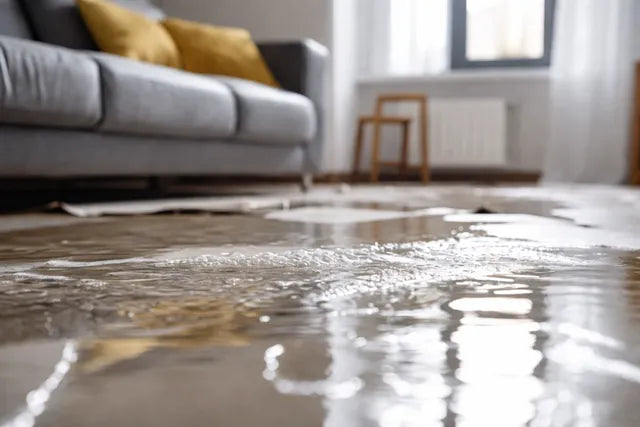
Water damage from sump pump failure is a serious concern for homeowners, especially those living in areas prone to heavy rainfall or with basements below the water table. When a sump pump stops working, water can quickly accumulate, leading to costly repairs, mold growth, and even structural issues. Understanding the causes, warning signs, and effective solutions is essential to protect your property and maintain a safe, dry environment.
In this guide, you'll learn how to recognize the risks, prevent future problems, and take immediate action if your sump pump lets you down. We'll also cover practical steps for cleanup and restoration, as well as tips for working with insurance and professionals.
Related issues like water damage from foundation cracks can also contribute to basement flooding, making it even more important to address sump pump reliability as part of your overall home maintenance plan.
Common Causes of Basement Flooding Due to Sump Pump Problems
Several factors can lead to sump pump failure and subsequent water intrusion. Knowing what to watch for can help you take preventative measures before disaster strikes.
- Power Outages: Severe storms often knock out electricity, rendering electric sump pumps useless unless you have a backup system.
- Mechanical Malfunctions: Switch failures, clogged intake screens, or worn-out motors can all cause a pump to stop working when you need it most.
- Improper Installation: If the pump isn’t installed correctly or the pit is too small, water may overflow before the pump can remove it.
- Frozen or Blocked Discharge Lines: In colder climates, the discharge pipe can freeze or become blocked by debris, preventing water from escaping.
- Lack of Maintenance: Failing to test and clean your sump pump regularly increases the risk of unexpected breakdowns.
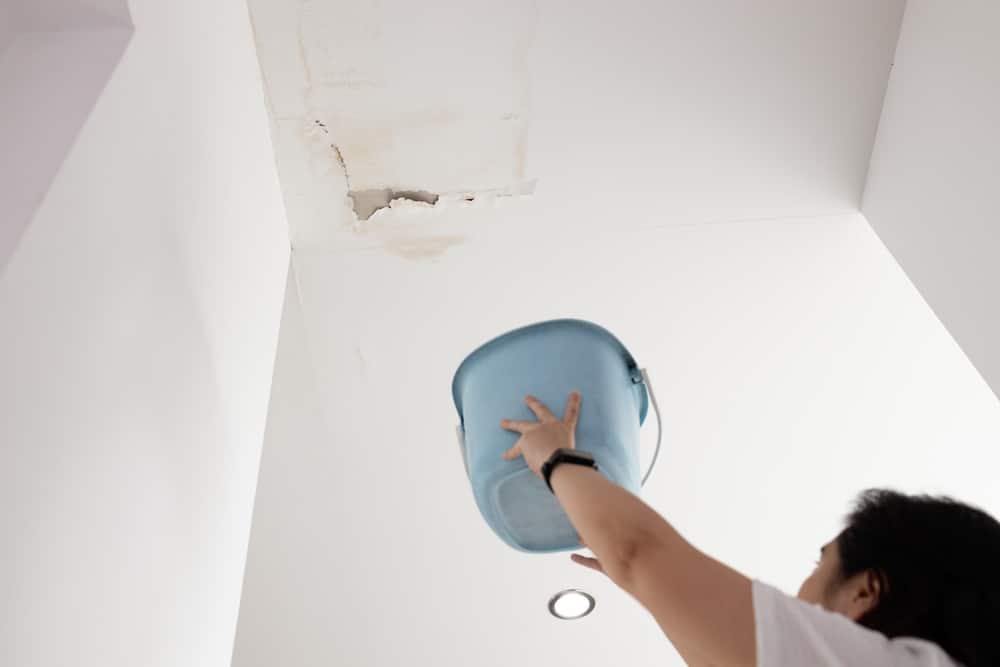
Warning Signs of Sump Pump Failure and Water Damage
Early detection can save you thousands in repairs and help you avoid health hazards. Here are some key indicators that your sump pump or basement may be at risk:
- Unusual Noises: Grinding, rattling, or excessive vibration may signal a failing motor or impeller.
- Frequent Cycling: If the pump turns on and off too often, it may be undersized, have a faulty float switch, or be dealing with a wiring issue.
- Visible Rust or Corrosion: This can affect the pump’s ability to function and may indicate water is leaking into electrical components.
- Standing Water: Any water pooling around the sump pit or in the basement is a clear sign the pump isn’t keeping up.
- Musty Odors or Mold: Persistent dampness leads to mold growth, which can cause health problems and further property damage.
For more details on how to spot the early signs of water intrusion, see this comprehensive guide to water damage warning signs.
Immediate Steps to Take After a Sump Pump Breakdown
If you discover flooding or excessive moisture due to a failed sump pump, quick action is crucial. Here’s what to do:
- Ensure Safety: Before entering a flooded area, turn off electricity to the basement to avoid electrical shock.
- Stop the Water Source: If possible, identify and stop the source of water. In some cases, this may mean waiting for the rain to subside or diverting water away from your foundation.
- Remove Standing Water: Use a wet/dry vacuum, mop, or portable pump to clear as much water as possible. The faster you act, the less likely you’ll face severe damage.
- Dry Out the Area: Set up fans and dehumidifiers to speed up drying. Remove wet carpets, furniture, and belongings to prevent mold growth.
- Document the Damage: Take photos and notes for insurance claims and future repairs.
Once the immediate crisis is under control, you can focus on repairs and long-term solutions.
Long-Term Solutions to Prevent Water Damage from Sump Pump Failure
Prevention is always better than dealing with the aftermath of a flood. Here are effective strategies to minimize the risk of future problems:
- Install a Battery Backup: Backup systems keep your sump pump running during power outages, which are common during storms.
- Regular Maintenance: Test your sump pump every few months by pouring water into the pit and ensuring it activates and drains properly. Clean the intake screen and check for debris.
- Upgrade Your Pump: If your pump is more than 7-10 years old or frequently malfunctions, consider replacing it with a newer, more reliable model.
- Consider a Water-Powered Backup: These systems use your home’s water supply to operate if the main pump fails, providing an extra layer of protection.
- Protect the Discharge Line: Insulate or bury the pipe to prevent freezing, and make sure it drains far from your foundation.
- Install an Alarm: Water alarms alert you to rising water levels in the sump pit, giving you a chance to act before flooding occurs.
Insurance Coverage and Professional Restoration
Many homeowners are surprised to learn that standard insurance policies may not cover all types of basement flooding. It’s important to review your policy and consider additional coverage for sump pump failures or sewer backups. If you experience significant water damage, contacting a professional restoration company can help ensure thorough drying, mold remediation, and repairs.
When filing a claim, provide detailed documentation and keep records of all repairs and expenses. Some insurers require proof of regular maintenance to approve claims related to sump pump breakdowns.
Related Water Intrusion Risks and Resources
Basement flooding isn’t the only risk homeowners face. Other sources of water intrusion, such as water damage from dishwashers, water damage from water heaters, water damage from clogged drains, and water damage from air conditioners, can also lead to costly repairs and health hazards. Staying proactive with home maintenance and regular inspections is the best way to protect your investment.
Frequently Asked Questions
How often should I test my sump pump to prevent flooding?
It’s recommended to test your sump pump at least every three months. Pour water into the pit to ensure the pump activates and drains properly. Annual professional inspections can also catch issues before they lead to water damage from sump pump failure.
What should I do if my sump pump fails during a power outage?
If you lose power, a battery or water-powered backup system can keep your basement protected. If you don’t have a backup, act quickly to remove water manually and dry out the area to minimize damage.
Does homeowners insurance cover sump pump-related flooding?
Standard policies often exclude water damage caused by sump pump breakdowns. Check your policy and consider adding a sump pump rider or sewer backup endorsement for extra protection. Always document maintenance and repairs for insurance purposes.